BORAMA (SD) – Major protests erupted last night in the city of Borama, where residents strongly oppose the scheduled launch of the book Xeer Ciise in the coastal town of Zeila. The controversy ignited after the Somaliland government announced its approval for the event to be held there.
Tensions surrounding the book, which relates to the traditional Xeer legal code associated with the Ciise clan, have been escalating in recent days in both Borama and Zeila, with many citizens expressing concern and anger over its potential social impact.
During today’s demonstrations, it was confirmed that five people were killed and nearly seven others were injured, according to preliminary reports obtained by our source.
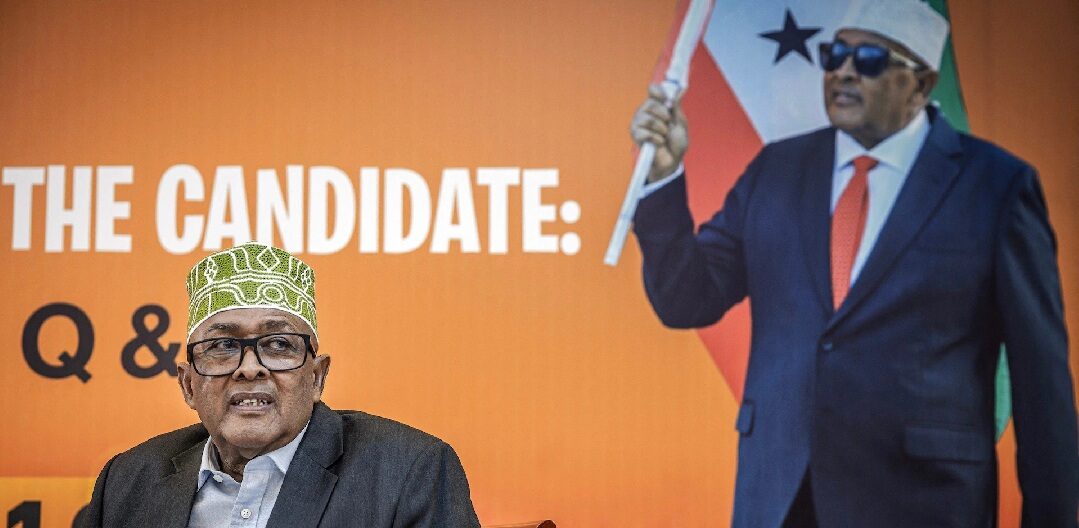
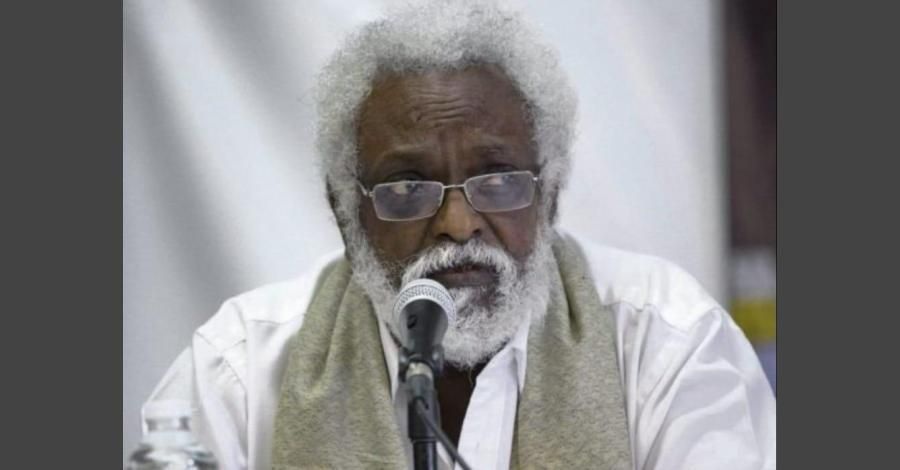
MP Mohamed Abib Yusuf, who held a press conference, stated the situation has reached a critical point, saying:
“President [of Somaliland Muse Bihi Abdi] must reconsider his decision today. Military forces should withdraw from Borama.”
The Somaliland government had previously stated that the book launch for Xeer Ciise could not be held in Zeila. However, this stance was abruptly reversed today when the Minister of Information officially announced the event would proceed in the coastal town.
This sudden policy reversal has further inflamed the existing crisis in Borama, with some citizens arguing that decisions affecting the local community were made without their consultation.
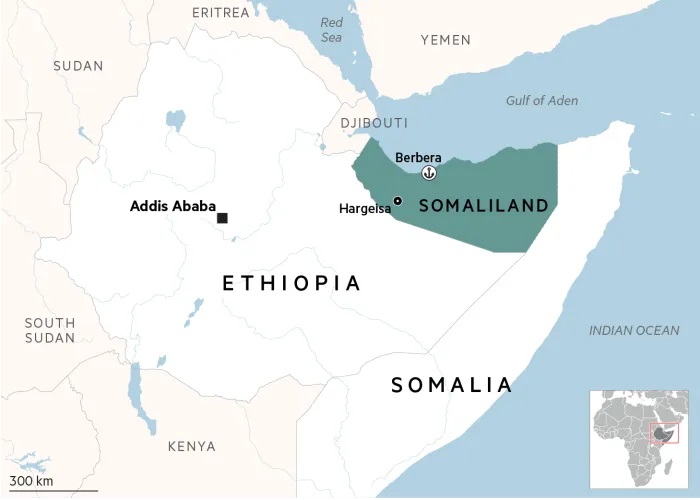
The violent protest is not merely about a book launch; the title “Xeer Ciise” serves as a direct trigger for unresolved political and identity fault lines. In the Awdal region, where many identify with the Gadabuursi clan, the promotion of a code (Xeer) associated with the rival Ciise clan of the Isaaq confederation is perceived as a political imposition by the Somaliland government (dominated by Isaaq clans). It symbolizes a negation of local identity and autonomy, framing the event as an act of cultural and political hegemony from Hargeisa.
The government’s initial prohibition of the event in Zeila, followed by its abrupt and unexplained approval, is a critical catalyst for the violence. This reversal is viewed locally not as an administrative decision but as a deliberate provocation or a sign of chaotic governance. It shattered any remaining trust and signalled to the people of Borama that their objections were disregarded, making confrontation seem like the only remaining form of political expression.
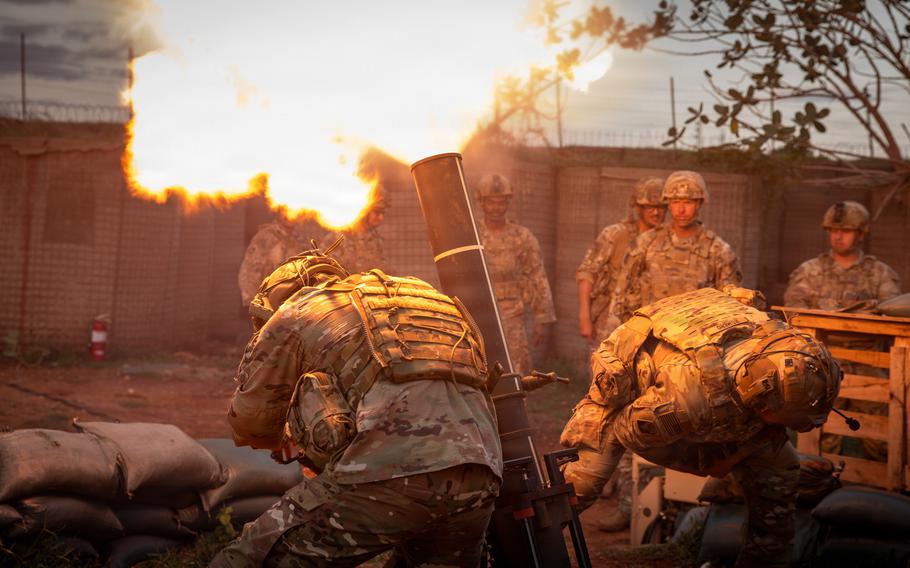
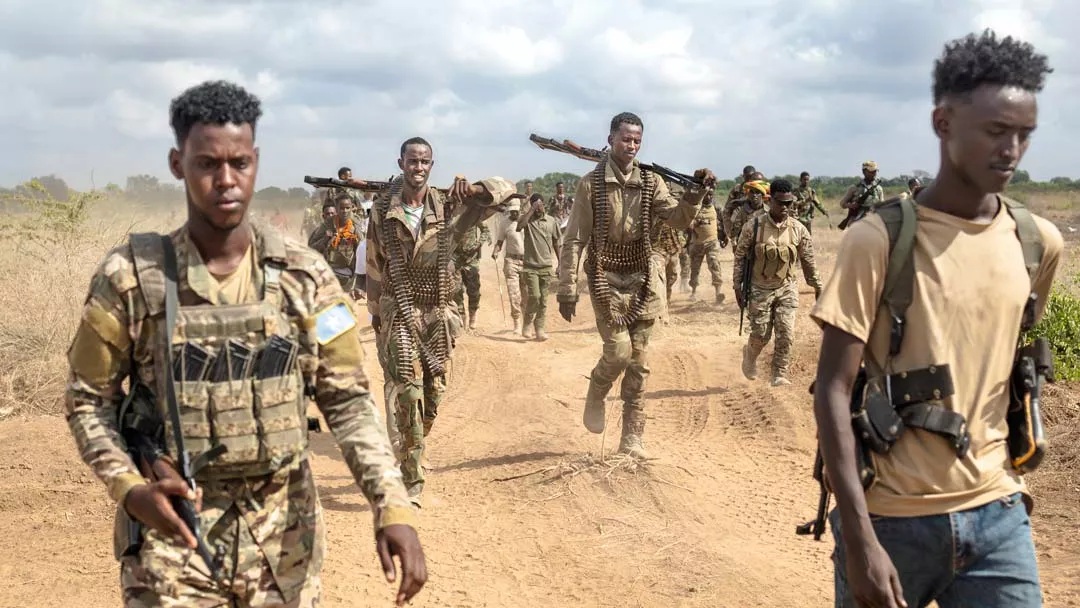
The call by MP Mohamed Abib Yusuf for the president to intervene and for the military to withdraw reveals that the Somaliland National Army is already deployed in Borama. This militarization of a cultural-political dispute transforms it into a direct challenge to state authority. The casualties reported indicate that protests have moved beyond civil disobedience into violent clashes with security forces, risking a cycle of repression and radicalization.
This crisis exposes the fragility of Somaliland’s internal social contract, which is based on a delicate balance of clan interests. Violence in Awdal, a region whose loyalty to the Somaliland project has often been questioned, deals a severe blow to Hargeisa’s narrative of internal unity and effective governance—key pillars of its campaign for international recognition. It showcases an inability to manage internal dissent peacefully.
The conflict is inherently local but carries risks of regional spillover. It could galvanize opposition figures and sub-clans across Somaliland who feel marginalized, turning a localized protest into a broader movement against the current administration. Furthermore, it provides an opportunity for external actors, including the Federal Government of Somalia in Mogadishu, to highlight Somaliland’s internal divisions.
The violence in Borama is a symptom of a deeper political disease: the failure to build an inclusive national identity in Somaliland that transcends clan affiliations. The government’s handling of the Xeer Ciise event—from initial ban to sudden approval—demonstrates a catastrophic misreading of local sentiment and a trigger-happy approach to dissent. Resolving this crisis requires immediate de-escalation and, more importantly, a genuine political dialogue addressing the core issues of representation, cultural respect, and power-sharing. Without this, Somaliland’s prized stability is under serious threat.
Categories: Latest News