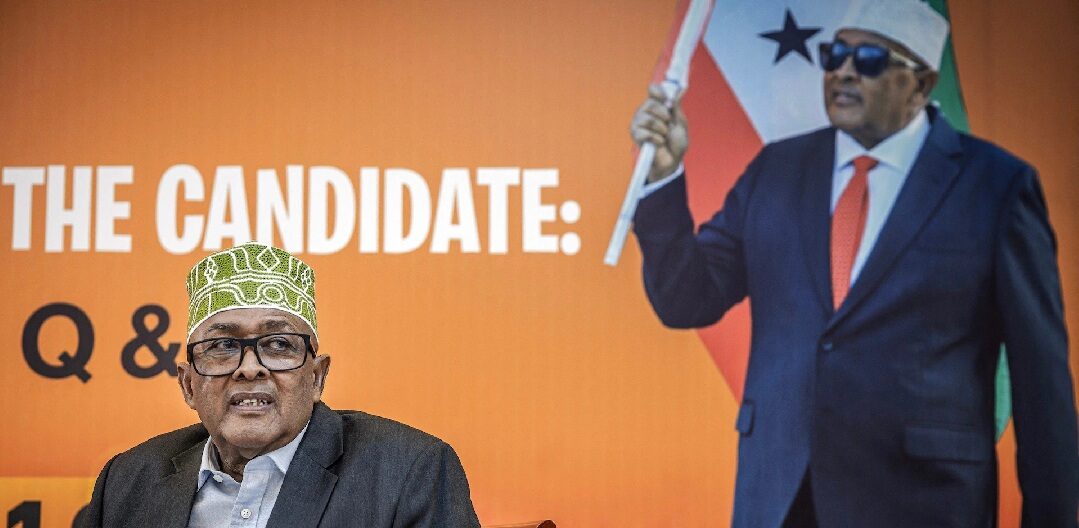
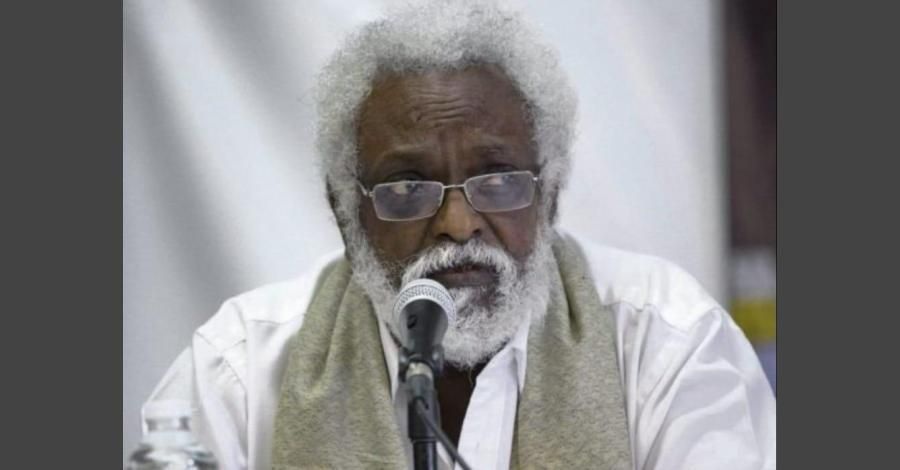
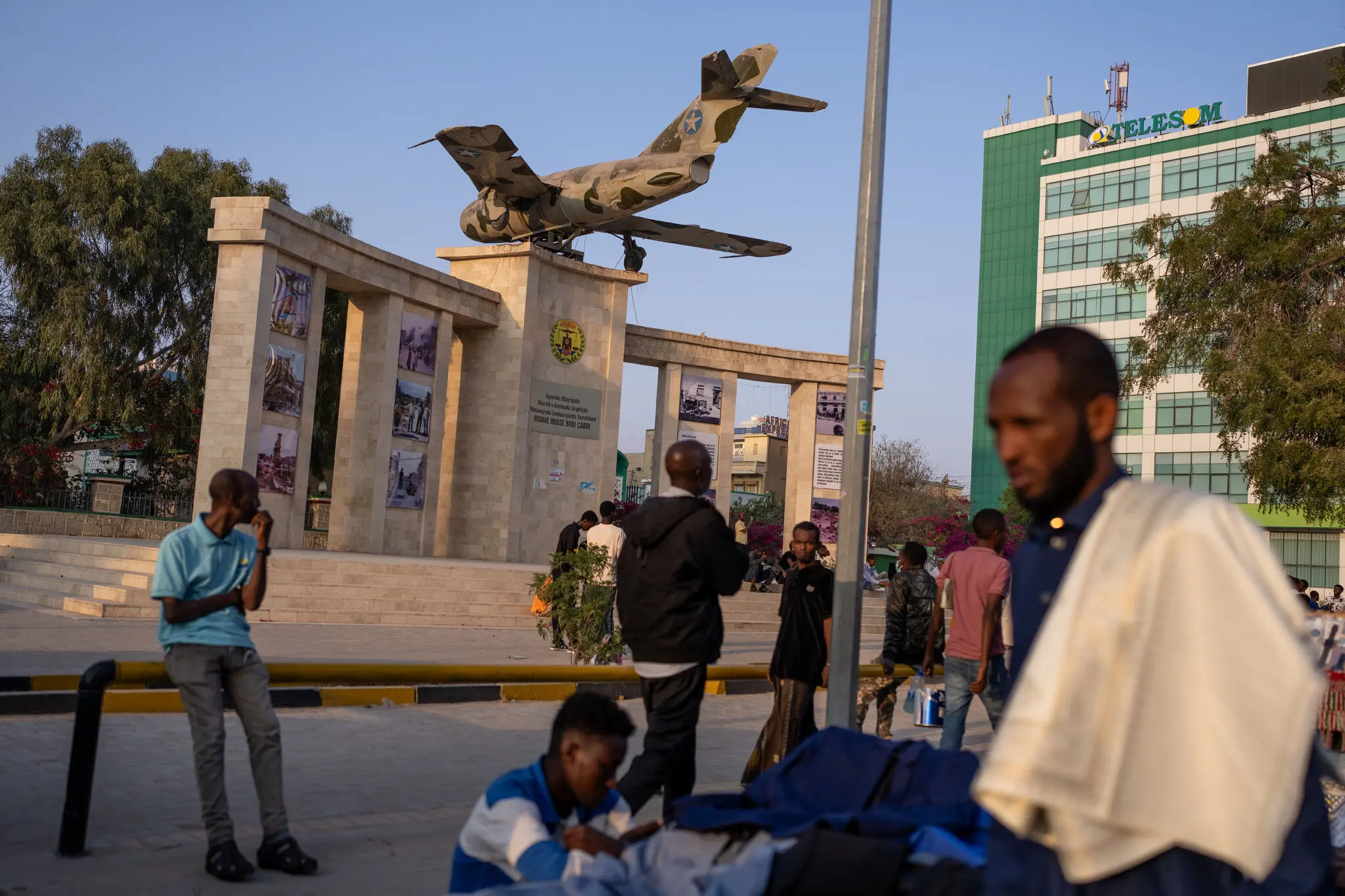
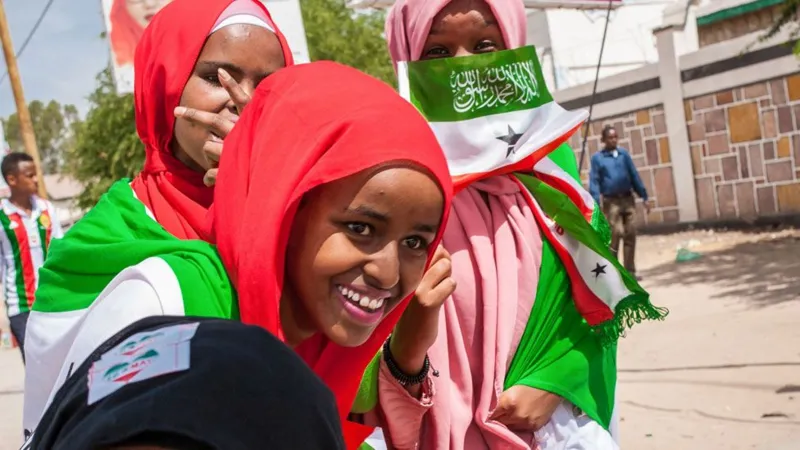
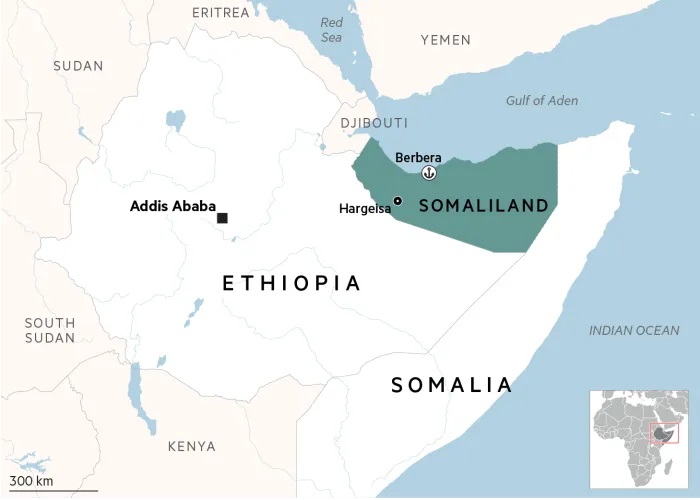
JERUSALEM / HARGEISA (SD) – The State of Israel has today officially recognized the independence of the Republic of Somaliland. The announcement followed a formal video conference between the President of Somaliland, Abdirahman Mohamed Abdullahi (Irro), and the Prime Minister of Israel, Benjamin Netanyahu, who extended official recognition to the Republic of Somaliland.
The meeting was described as demonstrating mutual understanding in political, diplomatic, and strategic terms. Both sides mutually affirmed Somaliland’s right to full recognition and its statehood, agreeing to embark on a new era of friendly relations and a robust partnership between the two nations.
This historic recognition by the State of Israel is said to open a new, historic chapter for the Republic of Somaliland in the realms of international cooperation, security, finance, technology, and diplomacy, while strengthening Somaliland’s role in the peace and stability of the Horn of Africa region.
President Abdirahman Irro of Somaliland was reportedly informed that five other nations are also prepared to announce their recognition of Somaliland, a development allegedly encouraged by the signing of the agreement initiating relations with Israel.
It was further stated that Somaliland was invited to join the Abraham Accords is aimed at securing independent engagement and cooperation with the United States, according to sources close to President Irro.
Israeli Prime Minister Benjamin Netanyahu extended an invitation to the President of Somaliland for an official visit to Israel to discuss interests and matters of priority for both countries.
The reported recognition, if verified and formally enacted, would constitute the most significant geopolitical shift in the Horn of Africa in decades. It represents a deliberate and explosive move by Israel to break a major diplomatic taboo. By being the first UN member state to recognize Somaliland, Israel would instantly become the single most important external patron of Hargeisa, securing a loyal ally in a strategic maritime region. This is a high-risk, high-reward strategy aimed at permanently altering regional alignments.
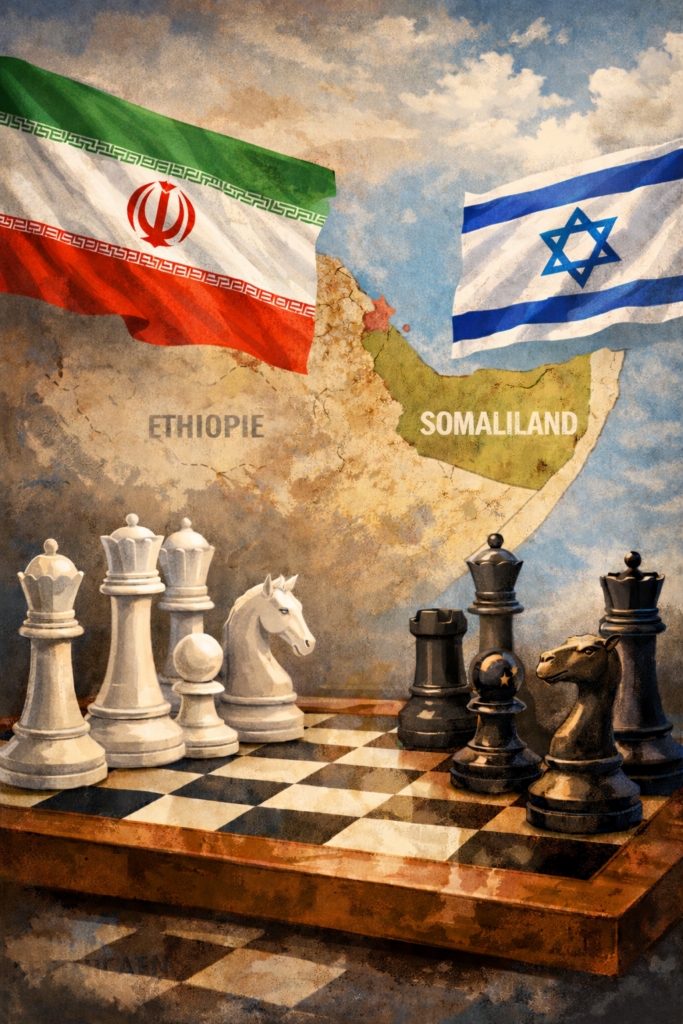
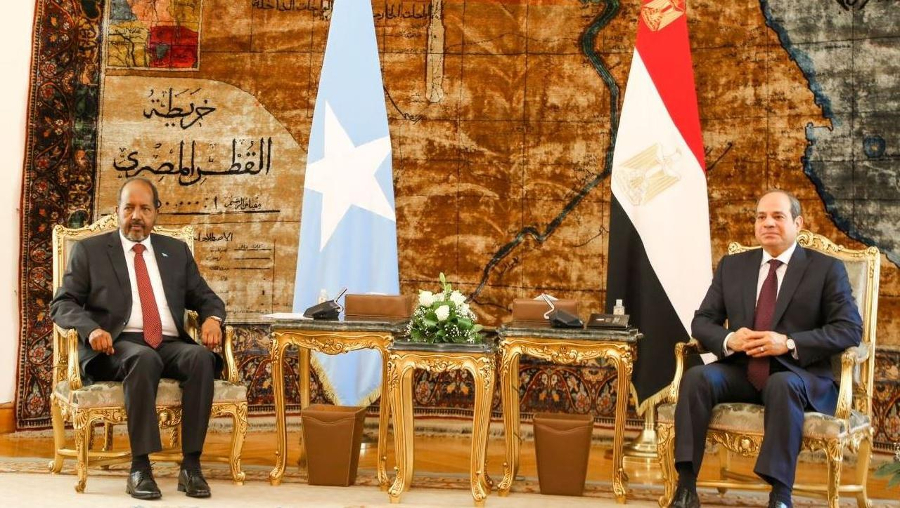
Recognition is the ultimate existential threat perceived by the Federal Government of Somalia (FGS). It would be viewed not just as a hostile act, but as an act of political war, likely triggering an immediate and total severance of Somalia-Israel relations (formal or informal) and prompting Mogadishu to seek emergency support from the Arab League, African Union, and Organization of Islamic Cooperation. It would also be a direct challenge to Iran, which supports Somalia, by expanding the “Abraham Accords” bloc into Iran’s perceived sphere of influence.
The claim that five other countries are poised to follow Israel’s lead is a critical part of the announcement’s strategy. It aims to create a perception of inevitable momentum, potentially encouraging others to act. However, this is highly speculative. Major powers (U.S., UK, EU) and regional actors (Saudi Arabia, UAE, Egypt) have been reluctant to recognize Somaliland due to fears of setting secessionist precedents and damaging relations with the AU and the Arab world. Israel’s move is designed to test and potentially shatter this consensus.
For Somaliland, this is the pinnacle of its 30-year quest for recognition. The cost, however, is astronomically high. It would irreparably burn its bridges with Mogadishu and likely alienate it from many African and Arab nations that uphold the principle of territorial integrity. It bets that a formal alliance with Israel—and potential indirect inroads to the U.S. via the Abraham Accords—provides greater long-term security and diplomatic dividends than the stagnant status quo. It is a definitive choice to exit the Somali dialogue and seek a completely separate international path.
For the U.S. and EU, this creates a major policy dilemma. They value stability in Somalia and its federal unity but also see Somaliland as a stable partner. They will be forced into a difficult position, likely reiterating support for Somalia’s unity while managing a fait accompli from a key ally (Israel).
This complicates Addis Ababa’s delicate position. While Ethiopia desires access to Somaliland’s coast, it cannot afford to alienate the FGS and the AU by endorsing the move. It may seek to play a mediator role.
For Al-Shabaab, the group would receive a massive propaganda boost, able to frame the Somali government as impotent against a “Zionist” dismemberment of the nation, potentially aiding recruitment.
The Israeli recognition of Somaliland is a potential diplomatic earthquake. It is a bold attempt by both parties to break decades of diplomatic paralysis through a single, irreversible act. It redraws the map of alliances in the Horn of Africa, elevates the Somaliland issue to a top-tier international crisis, and risks triggering a new wave of regional instability centred on the most fundamental question of statehood. The coming days, for confirmation and international reaction, will be critical.
Categories: Latest News