WASHINGTON (SD) – A U.S. Senator with significant influence in American politics has called for Somaliland to be granted full national recognition, stating that the region has faced an unjust situation since 1991 in its quest for international recognition.
Senator Ted Cruz, a Republican from Texas, sent an official letter to President Donald Trump urging the United States to formally recognize Somaliland.
Cruz’s letter began by recounting Somaliland’s history of independence, noting it achieved its freedom in 1960 and has since built its own unique system of administration, security, and democracy.
Ted Cruz described Somaliland as an important partner for the United States in security and diplomatic affairs, which, he argued, aids the U.S. in advancing its national security interests in the Horn of Africa and elsewhere in the world.
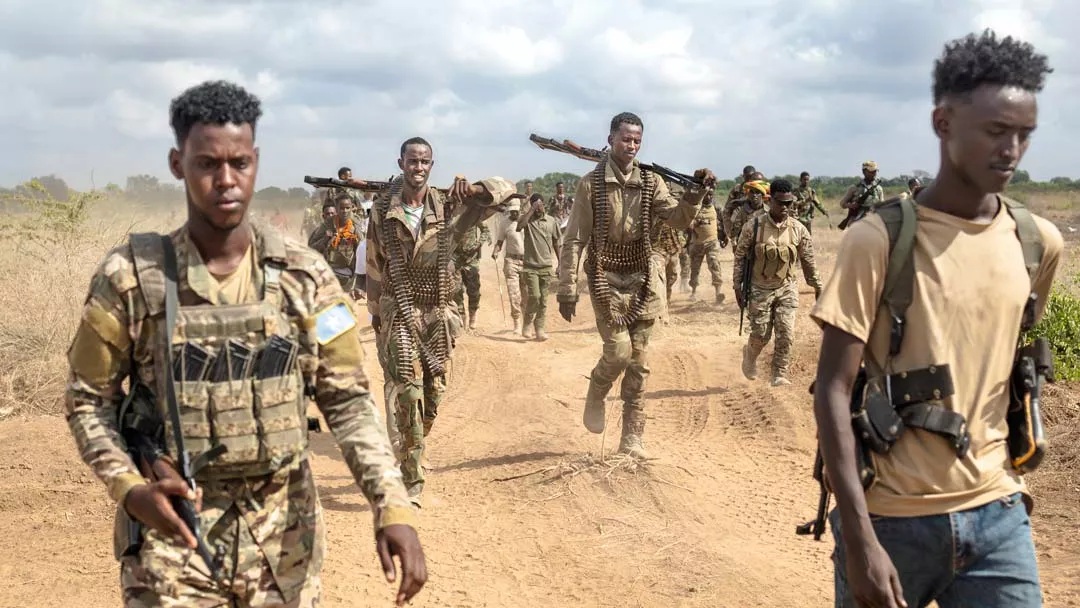
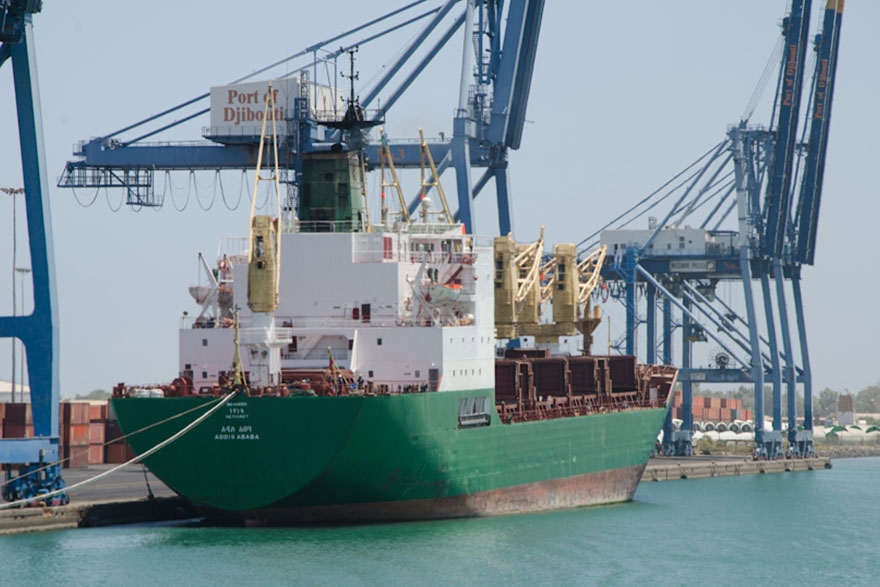
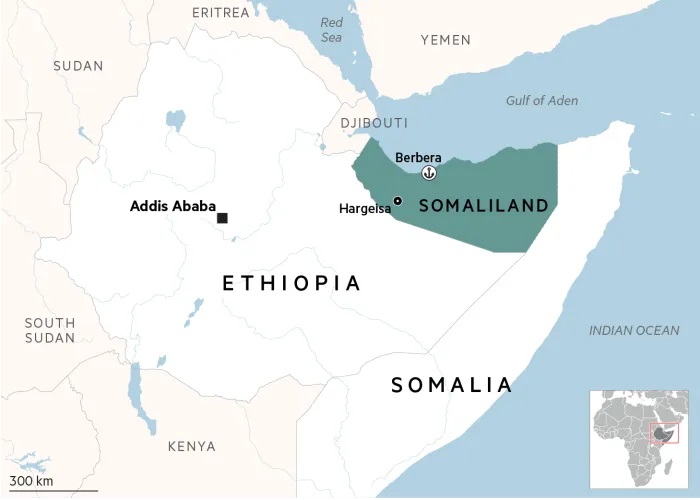
“Somaliland is located in a strategic position near the Gulf of Aden, close to one of the world’s busiest shipping lanes. It possesses a strong, professional military force and plays a crucial role in combating terrorism and piracy in the region,” stated Senator Cruz.
Furthermore, Cruz’s appeal was grounded in U.S. regional policy, citing the strengthening relationship between Somaliland and Taiwan. He used this to illustrate that Somaliland could become a reliable partner upon which the United States can depend.
This statement from Senator Ted Cruz comes at a time when Somaliland is intensifying its efforts to achieve global recognition, emphasizing its role in the security, stability, and strategic importance of the Horn of Africa.
Ted Cruz’s direct appeal to President Trump marks a significant escalation in U.S. domestic advocacy for Somaliland. It moves the issue beyond think-tank reports and congressional hearings into the realm of high-level executive branch lobbying. By framing it as a letter to the President, Cruz is attempting to force the issue onto the White House’s agenda, testing the administration’s willingness to fundamentally break with decades of U.S. and international policy on Somali unity.
Cruz’s explicit linkage of Somaliland to Taiwan is a masterful, if controversial, diplomatic argument. It proposes a “de facto sovereignty” model where the U.S. maintains robust, quasi-official ties with a territory without necessarily challenging the “One China” policy formally. By suggesting Somaliland could be a similar “reliable partner,” Cruz is offering a political and bureaucratic roadmap for engagement that circumvents the traditional diplomatic blockade on recognition, making the idea seem more pragmatic and less revolutionary to policymakers.
The letter represents a direct assault on the long-standing U.S. foreign policy pillars in the Horn: support for the territorial integrity of the Federal Republic of Somalia and working through the African Union’s framework. Cruz is advocating for a realpolitik shift, prioritizing a perceived stable, pro-Western ally (Somaliland) over a fragile, sometimes adversarial federal government in Mogadishu. This aligns with a broader isolationist and “America First” strand of Republican thought that favours bilateral deals with pliable partners over multilateral support for weak states. If Trump were to act on Cruz’s suggestion, it is feared that this would cause immediate normalization.
The FGS is not likely to expel U.S. diplomats and military advisors, crippling counterterrorism cooperation against Al-Shabaab.
It would not put the U.S. at odds with the entire African Union, Egypt, and likely major European allies who uphold Somalia’s unity.
And it could create an opening for rivals like Russia or China to deepen their influence in Mogadishu as the aggrieved party.
It would directly quell the newly formed Egypt-Türkiye-Djibouti coalition that just condemned recognition, potentially militarizing the dispute.
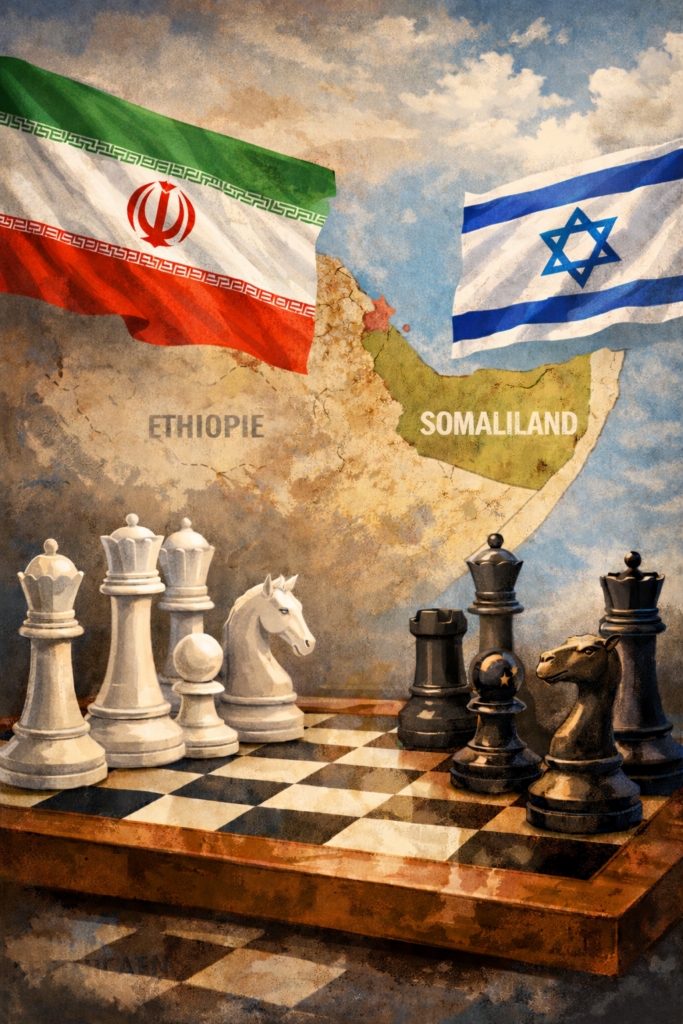
For Cruz, this is also about domestic positioning. It appeals to conservative evangelical supporters (due to Somaliland’s relative stability), anti-terrorism hawks, and those favouring a confrontational foreign policy against rivals like Iran (which supports Somalia). It positions him as a bold strategist unafraid to break stale diplomatic conventions.
Cruz’s praise of Somaliland’s military, while valid in a regional context, is relative. Its capability is sufficient for internal security but would be wholly inadequate to defend its sovereignty against a determined attack from Somalia or a regional power without explicit, massive external military backing—a commitment the U.S. has shown no appetite to provide.
Senator Cruz’s letter is not a mere suggestion; it is a political trial balloon for a radical foreign policy reversal. It seeks to capitalize on the Trump administration’s transactional approach and disregard for diplomatic norms. While immediate presidential action remains unpredictable, the letter successfully injects the idea of recognition into mainstream U.S. political discourse, provides a pseudo-precedent with the Taiwan model, and increases pressure on the State Department to justify its continued support for Mogadishu. It signifies that the Somaliland issue is now an active, partisan element of U.S. foreign policy debate, not just an African regional dispute.
Categories: Latest News