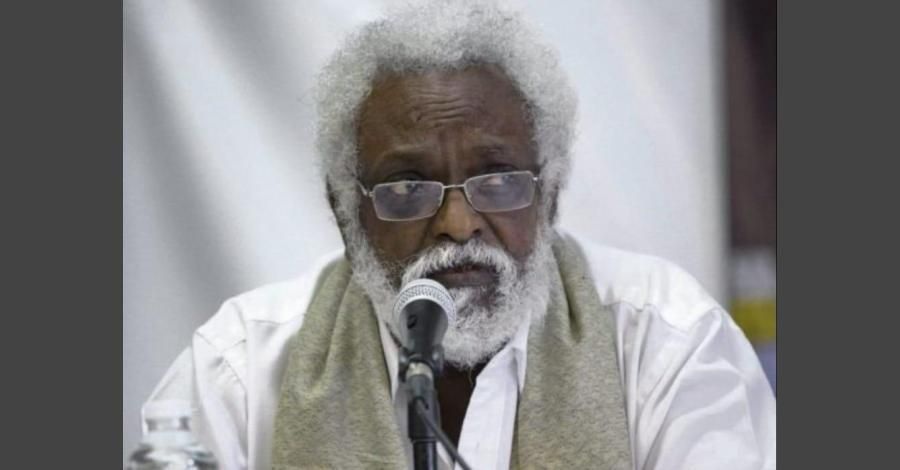
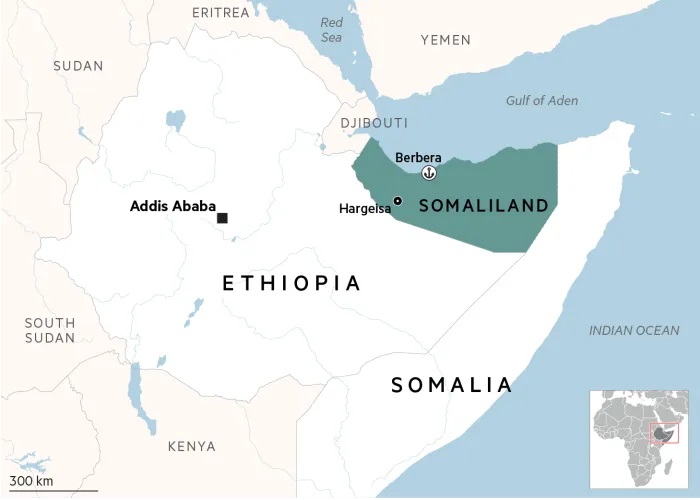
MOGADISHU (SD) – A group of Federal Parliament MPs and Senators representing Somaliland’s administrative regions have proposed that the political conflict between Mogadishu and Hargeisa can be resolved through dialogue involving the North and the South.
They accused successive federal governments of failing to fulfill promises made to the Somaliland administration.
“We believe the interest of the Somali people lies in unity,” said a spokesperson speaking on behalf of the MPs and Senators from the Somaliland administration who are based in Mogadishu.
The MPs and Senators also called for the suffering inflicted on the Somali people during the civil wars of 1988–1991 to be addressed, and not denied, following the people’s uprising against the Barre regime.
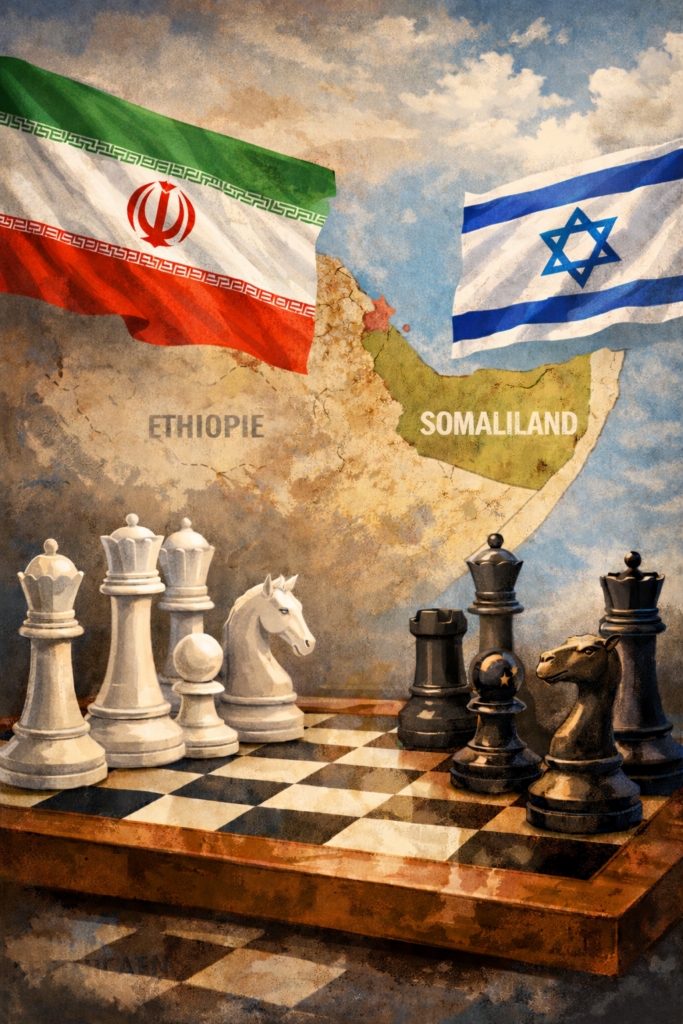
The MPs and Ministers who held the press conference did not criticize Israel’s recognition of Somaliland, nor did they address matters related to Somalia’s unity—a stance that is seen as brave and representative of their constituency.
This press conference reveals the existence of a politically significant but often overlooked group: federal legislators who hail from Somaliland regions but operate within the Somali Federal Parliament. Their presence complicates the binary narrative of “Mogadishu vs. Hargeisa,” introducing a “third force” that is institutionally part of Somalia but geographically and ethnically tied to Somaliland. Their stance is a critical barometer of northern sentiment within the federal system.
The most telling aspect of their statement is what they did not say. By failing to condemn Israel’s recognition of Somaliland—a primary point of outrage for Mogadishu—these legislators are sending a powerful, albeit silent, message. This omission suggests that for many northerners within the federal system, Somaliland’s diplomatic breakthrough is not viewed as a betrayal but as a consequential fact, or even a point of latent pride. It exposes a fracture in the “unified national stance” the FGS is trying to project.
By framing the issue as a failure of Mogadishu to honour past agreements, these MPs are subtly shifting the blame and the narrative. They are not outright endorsing secession; instead, they are portraying Somaliland’s estrangement as a consequence of southern bad faith. This is a more palatable argument for international mediators and places the onus for reconciliation on Mogadishu, not Hargeisa.
Their call to address the atrocities of the civil war, specifically the Northern attacks, is a deliberate invocation of Somaliland’s foundational trauma. By raising this within a federal forum in Mogadishu, they are forcing the federal government to officially acknowledge a history that the Somaliland narrative is built upon. This is a bold move that challenges Somalia’s often homogenized national history.
These MPs and Senators are walking a political tightrope. Their legitimacy in Mogadishu depends on their representation of northern constituencies. By not condemning Israel’s move, they align with the loud sentiments of their constituents. By calling for dialogue and referencing past grievances, they position themselves as essential bridges and potential mediators, securing their continued relevance in any future negotiation process, regardless of the outcome.
This development is deeply problematic for President Hassan Sheikh’s administration. It demonstrates that even within its own legislature, the consensus on Somaliland has shifted. The government cannot credibly claim to speak for all northern Somalis when its own northern MPs refrain from condemning an act deemed an existential threat. This weakens Mogadishu’s moral and political authority in the dispute.
The press conference by Somaliland-origin federal legislators is a significant crack in the monolithic facade of Somalia’s opposition to recognition. It reveals a pragmatic, constituency-driven politics at work beneath the high-level rhetoric of unity and betrayal. These politicians are navigating the impossible tension between their institutional home (Somalia) and their regional homeland (Somaliland). Their silence on Israel is a deafening indicator that for many in Somaliland, the genie of recognition is out of the bottle, and the future lies in managing its consequences, not in futile denial. They represent a potential channel for future, more realistic negotiations, but their existence also highlights the profound and growing identity schism within the very architecture of the Somali state.
Categories: Latest News