DJIBOUTI (SD)– Recent reports from Djibouti confirm that fighting broke out again today between Djiboutian government forces and the opposition FRUD (Front for the Restoration of Unity and Democracy), resulting in casualties, including deaths and injuries.
At least 12 soldiers from Djibouti’s national army were killed after their military outpost was attacked by the FRUD opposition front.
Additional reports indicate that other soldiers were wounded during the attack in the Garabtisa area.
There are also reports that some soldiers were captured alive from the site, which was a military barracks.
The reports state that following the fighting, internet service across Djibouti was cut off, causing widespread concern and debate. Independent sources say this internet shutdown (similar to the one in Iran) was implemented after social media platforms were used to share videos showing protesters and demonstrators, who are said to belong to the Afar ethnic group.
The overall security and communication situation in the country remains unclear, with no official statement issued by the Djiboutian government or the FRUD leadership detailing the specifics of the fighting, its causes, or the casualties.
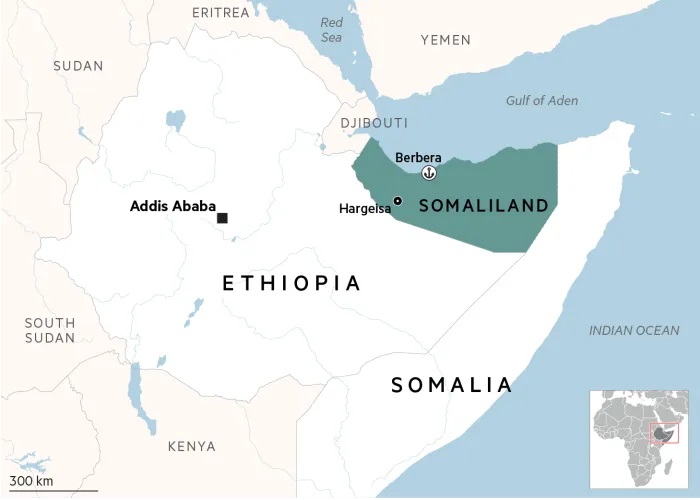
This incident occurred at a time when Djibouti was involved in the internal politics of Somaliland and Somalia, which some view as unwarranted interference in the region’s affairs. The country is currently facing sensitive security and political issues, which are raising further concerns among citizens and the international community, especially those with military bases. Official statements from President Ismail Omar Guelleh’s government or the FRUD front are awaited to clarify what exactly happened.
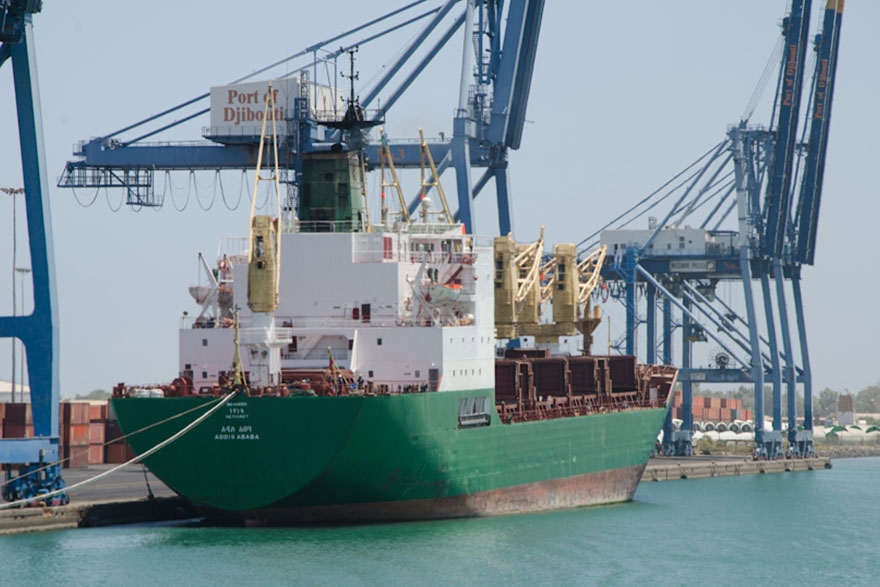
This reported clash between the Djiboutian military and the Afar-led FRUD opposition reveals simmering ethnic and political tensions within Djibouti itself. As the host to major foreign military bases (US, China, France, Japan, Italy) and a critical maritime chokepoint, Djibouti’s internal stability is paramount for global trade and security. This incident exposes its vulnerability to domestic instability, which could have far-reaching implications for international operations in the region.
The major powers with bases in Djibouti (especially the US and China) will be closely monitoring this instability. Their primary concern is the security and uninterrupted operation of their strategic installations. While a single clash is unlikely to threaten the bases, the rebel group’s stated plan of unrest could force these foreign militaries to reconsider their reliance on Djibouti’s stability, potentially exploring alternatives like Somaliland, in the long term.
The fighting and internet shutdown in Djibouti are a reminder that even seemingly stable, strategically vital nations in the Horn of Africa are not immune to internal fractures. While likely rooted in long-standing Afar grievances and domestic politics, its occurrence amid Djibouti’s active role in regional disputes is noteworthy. For the international community, it’s a wake-up call that their critical military and trade hub has its own vulnerabilities. For the region, it adds another unpredictable variable to an already volatile mix. The priority for all external actors with stakes in Djibouti will be to quietly encourage de-escalation and to stay away from neighboring countries’ internal affairs, ensuring that this incident remains an isolated episode rather than the spark for broader unrest in an already fragile state.
Categories: Latest News