KAMPALA (SD) – Uganda has officially announced plans to withdraw its troops from Somalia after 19 continuous years of participation in peacekeeping operations, signalling a significant shift in the country’s role in regional security.
In a brief post on X (formerly Twitter), the Commander of the Uganda People’s Defence Force, General Muhoozi Kainerugaba, confirmed that the mission of Ugandan forces in Somalia has concluded, and preparations will begin for the troops’ full withdrawal from the country.
“After 19 years of our presence in Somalia, I am pleased that we shall begin the process of completely withdrawing from that country soon,” stated General Muhoozi.
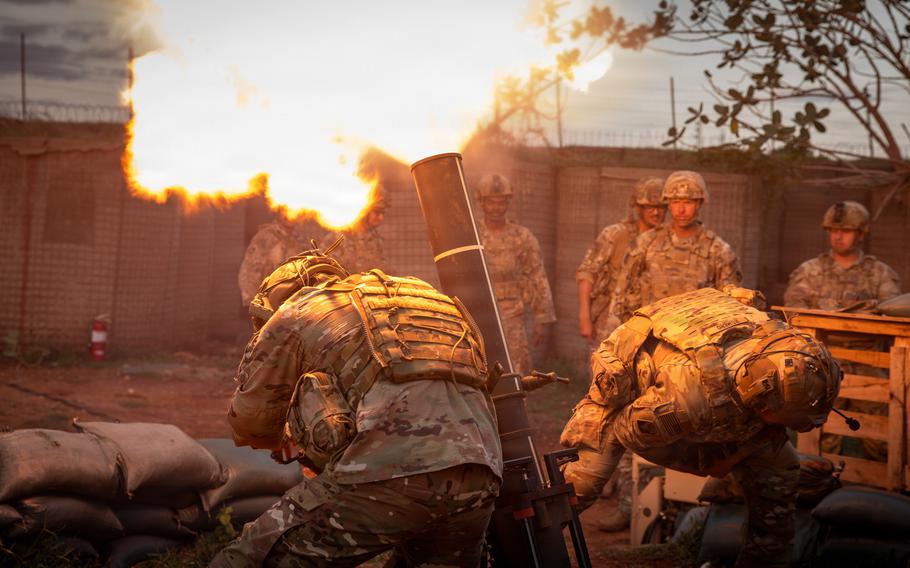
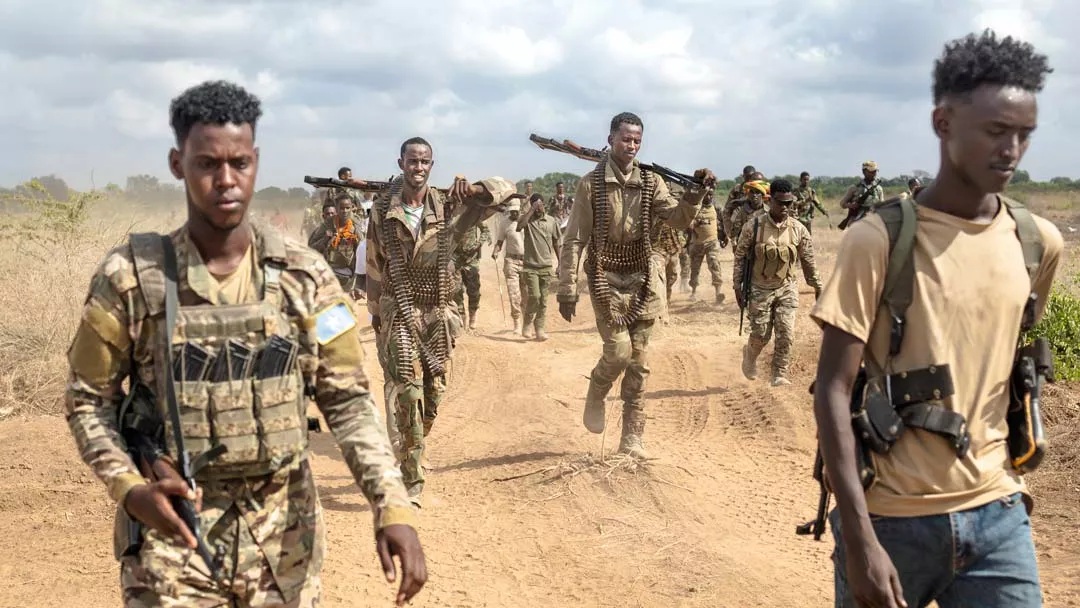
Ugandan troops have been the largest contingent within the African Union Peacekeeping Mission in Somalia (AUSSOM), playing a crucial role in the fight against the Al-Shabaab group.
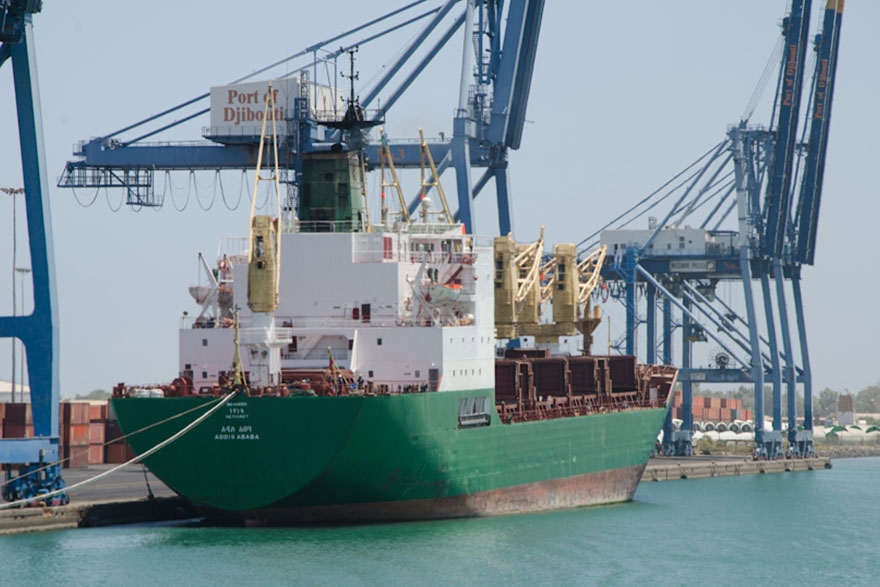
It is estimated that between 5,000 and 6,000 Ugandan soldiers are currently stationed in Somalia, playing a vital role in securing key government infrastructure, including Aden Adde International Airport, the Port of Mogadishu, and other strategic locations.
Since 2007, Uganda has played a prominent role in international peacekeeping efforts in Somalia, providing military personnel and leadership, and serving in operations led by the African Union to stabilize the country and support Somali security forces.
No official timeline for the troops’ withdrawal from Somalia has been announced yet, and it remains unclear how this move will impact AUSSOM operations and the overall security situation in Somalia.
Uganda’s withdrawal is not a routine troop rotation; it marks the beginning of the end for the current ATMIS model. As the largest, longest-standing, and most capable contingent, Uganda’s departure creates a massive security vacuum. This is the most significant reduction of AU force capacity in Somalia since the mission’s inception and will fundamentally alter the military balance on the ground, particularly in and around Mogadishu.
The withdrawal of 5,000-6,000 troops guarding Mogadishu’s vital arteries (airport, seaport, key roads) is a catastrophic security risk. The Somali National Army (SNA) is not capable of filling this gap. This almost certainly guarantees that Al-Shabaab will launch major attacks to test defences and likely attempt to infiltrate or even strike the capital’s infrastructure, aiming for a spectacular propaganda victory and to prove the state’s fragility.
Al-Shabaab will interpret this as their greatest strategic victory in a decade. It validates their resilience and proves that international will is waning. They will exploit the withdrawal period to regroup, rearm, and reconstitute territorial control. This could lead to a rapid expansion of their influence, not just in rural areas but toward urban centers, destabilizing the entire region and creating a haven for transnational terrorist plotting.
The era of relying on AU peacekeepers to hold Somalia together is ending abruptly, and no credible alternative force is ready to take its place. The next chapter in Somalia’s history may be its most violent and uncertain since the fall of Siad Barre.
Categories: Latest News