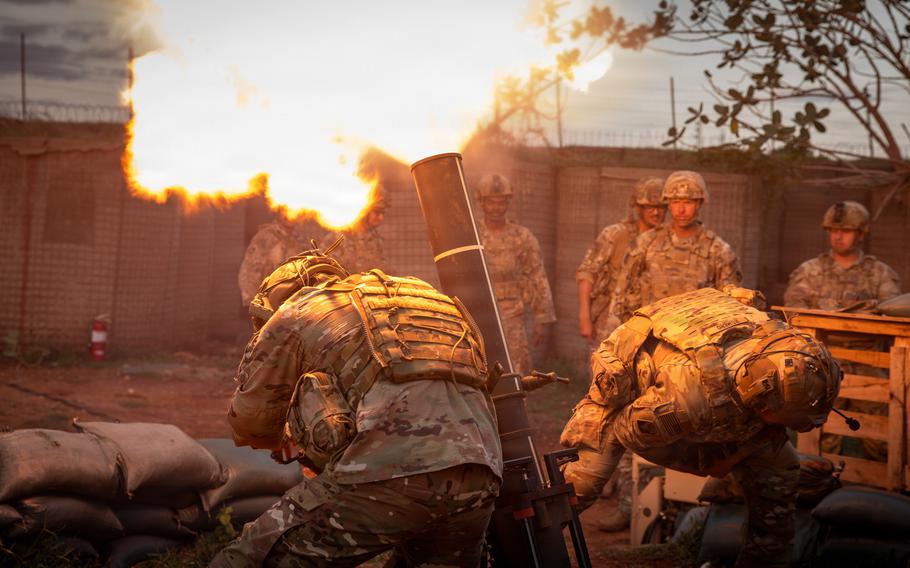
NAIROBI (SD) — The U.S. government and the Kenyan administration have officially initiated a major $71 million project to modernize the airfield at the Manda Bay military base, located in southern Kenya near the Somali border.
This project aims to strengthen joint operations against the Al-Shabaab group, especially those originating from Somalia and the broader Horn of Africa region. The new construction will extend the runway to 10,000 feet, enabling it to accommodate large cargo and military aircraft.
The U.S. Department of State is covering the cost of the project to enhance refuelling capacity, troop mobility, and rapid security response.
General Dagvin R.M. Anderson of the U.S. Africa Command (AFRICOM) highlighted that this project improves the security partnership between the U.S. and Kenya and enhances the overall regional security.
The Manda Bay base holds strategic significance, notably after Al-Shabaab’s 2020 attack on Camp Simba, which resulted in the deaths of U.S. servicemen and contractors. Since then, the U.S. and Kenya have bolstered the bases’ security measures to prevent terrorist threats.
This new initiative is viewed as further solidifying the U.S. military presence in Kenya and the joint efforts to stabilize the region’s security.
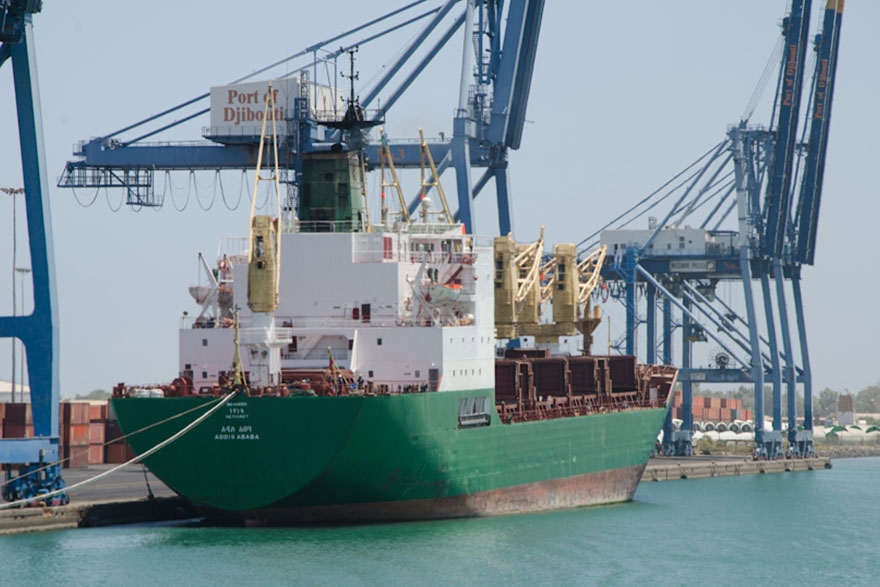
Sources indicate that the U.S. began vacating its headquarters in Djibouti after the country permitted an expansion of troops from nations not aligned with U.S. interests.
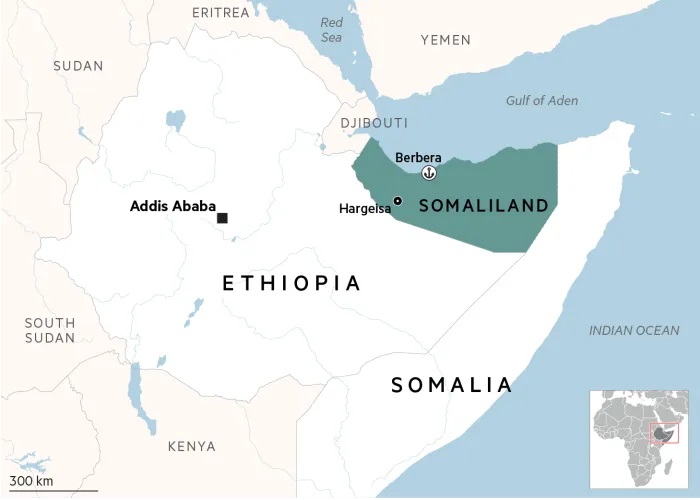
Reliable sources also suggest that the U.S. has now commenced relocating its headquarters from Djibouti. There has been growing U.S. interest in the port of Berbera, with several officials visiting the area.
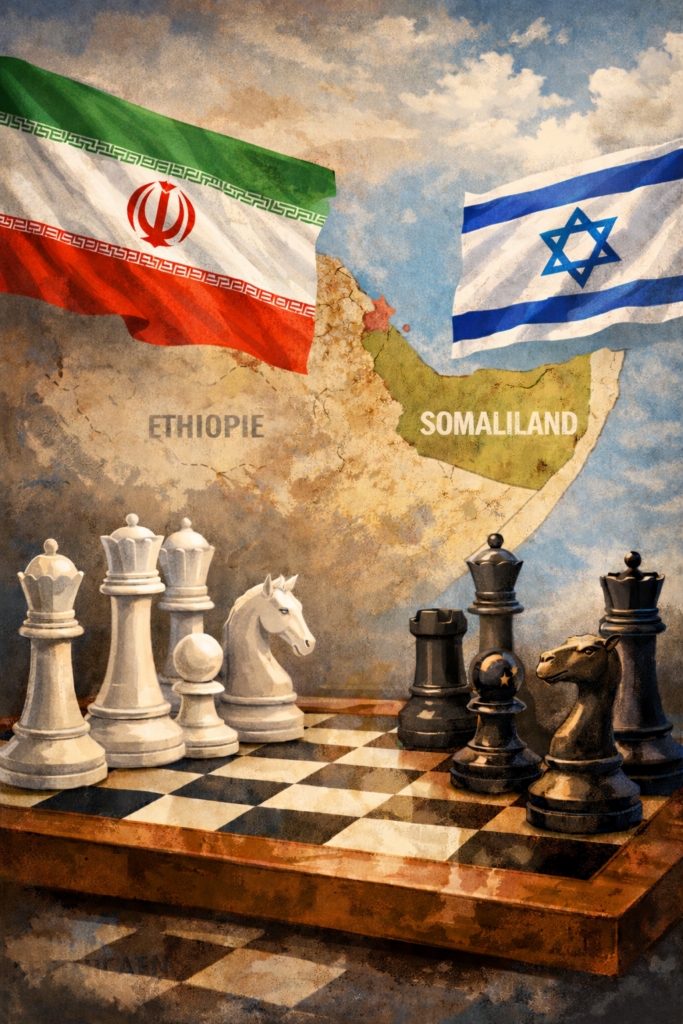
The U.S. interest in Berbera and Israel’s recent recognition of Somaliland have plunged the Djiboutian government into political uncertainty and financial instability.
As a result, Djibouti has started instigating tribal conflicts and diplomatic tensions, although so far these efforts have not yielded significant results.
Djibouti approved the expansion of China’s military presence, which includes its first overseas military base. This development has compromised Djibouti’s exclusivity and reliability as a U.S. partner.
The U.S. is displaying increased interest in the port of Berbera in Somaliland, especially after Israel recognized Somaliland, which offers a potentially more stable and strategic alternative to Djibouti.
This shift in favour has created political confusion and financial insecurities in Djibouti, prompting it to adopt destabilizing actions out of desperation.
The U.S. is diversifying its military footprint, reducing reliance on a single host nation—Djibouti—that has historically played major powers against each other.
Kenya and possibly Somaliland are becoming the new primary bases for U.S. AFRICOM’s counter-terrorism and logistics operations in East Africa.
This move implicitly responds to China’s expanding influence in Djibouti. The U.S. counteracts this by investing in allies like Kenya and exploring partnerships in regions like Somaliland.
Control of strategic ports—such as Berbera versus Djibouti—is at the heart of the competition, intertwining security with economic interests.
The Manda Bay upgrade is more than just a base improvement; it’s a significant move in regional strategic positioning. It signals a U.S. shift away from an unreliable and congested relationship with Djibouti towards stronger partnerships with Kenya and future opportunities in Somaliland, all while countering terrorist threats and geopolitical rivals. Ultimately, this reflects a landscape of shifting alliances, economic competition, and the quest for a reliable security framework in a volatile region.
Categories: Latest News