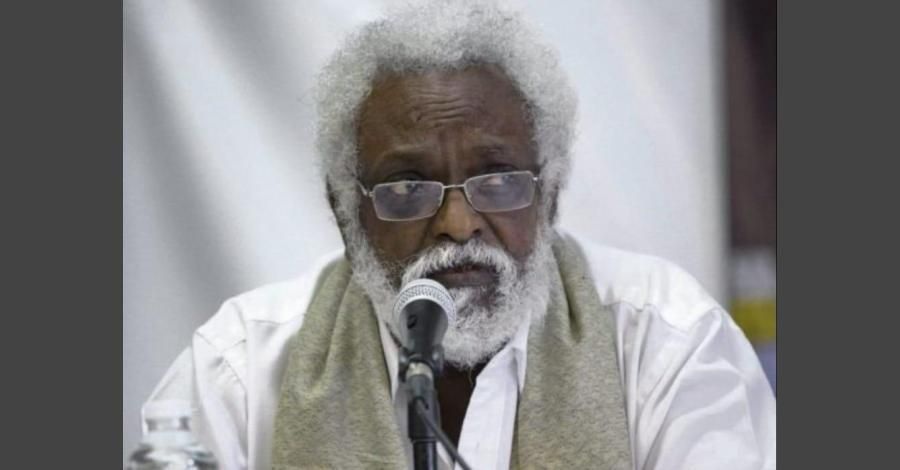
DJIBOUTI (SD) – The President of the Republic of Djibouti, Ismail Omar Guelleh, as predicted, won the presidential election held yesterday in the country, securing 97.8% of the votes cast, according to the regime’s official results.
Geelle, 78, and in a dire health condition as of late, thus clinched his virtually unopposed sixth term, defeating the sole regime-picked opposing candidate, Mohamed Farah Samatar, a former staffer of Mr. Guelleh who supposedly received 2.2% of the votes.
The president has been in power since 1999, when he succeeded his uncle, former President Hassan Gouled Aptidon. Since then, Guelleh has consistently won elections, with the 2021 election giving him over 97% of the votes, while most of the opposition largely boycotted it.
This most recent election came after a forced constitutional amendment was made late last year, which removed the age limit for candidates, allowing Guelleh to run again despite previously stating that he would step down from office.
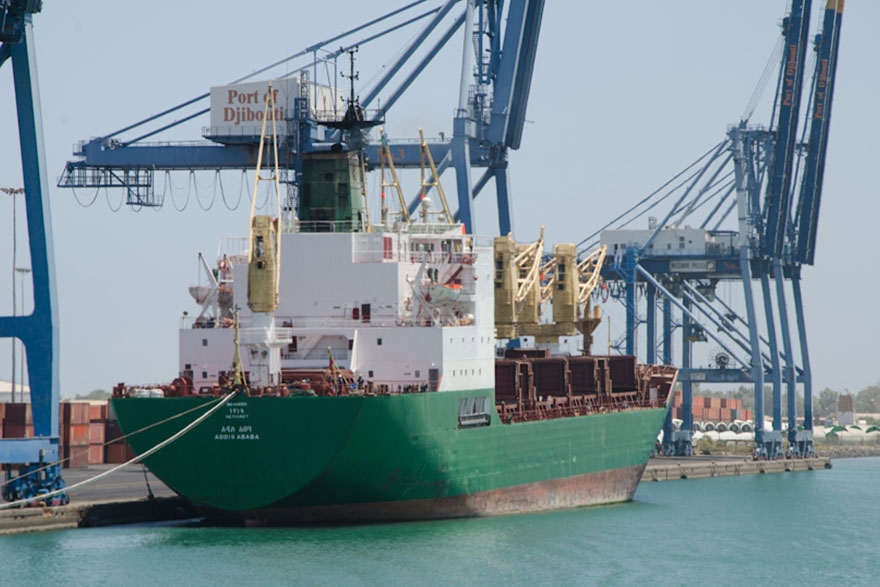
Djibouti, a strategic country located on the important Bab al-Mandeb strait, has become an international military and commercial hub, with bases belonging to countries including the United States, China, France, and Japan, which has allowed Mr. Guelleh to remain in power.
The country’s main income comes from port services, particularly its trade relations with Ethiopia. However, the country faces economic and social challenges, with nearly 90% of the youth estimated to be unemployed, and the debts owed to China by the country have skyrocketed.
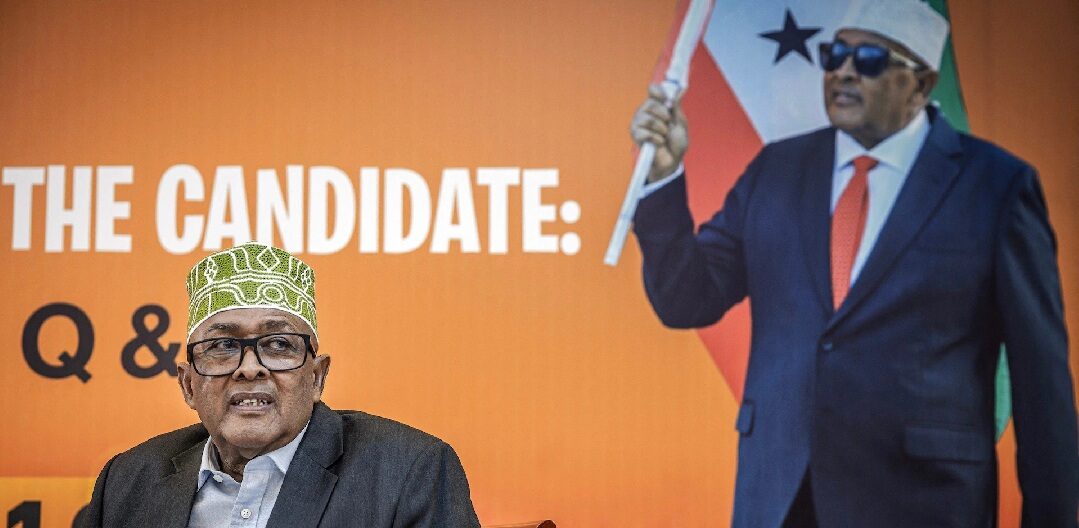
On the other hand, human rights organizations have accused the Guelleh government of pressuring the opposition. The candidate competing against Guelleh has not appeared in the media, nor has he been seen speaking to his supporters in public, due to the arrangement made with the Djibouti government, which is putting pressure on the opposition.
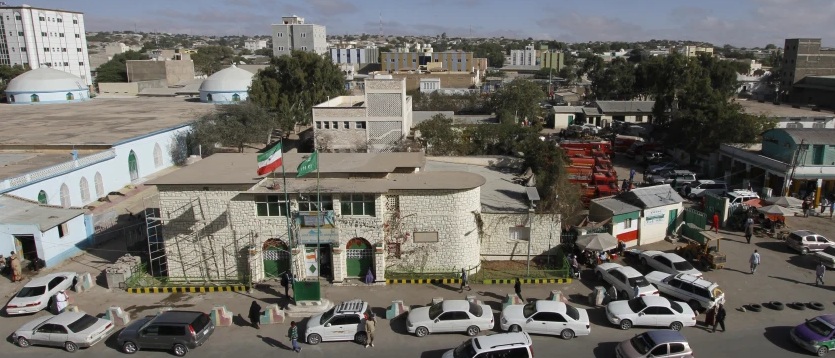
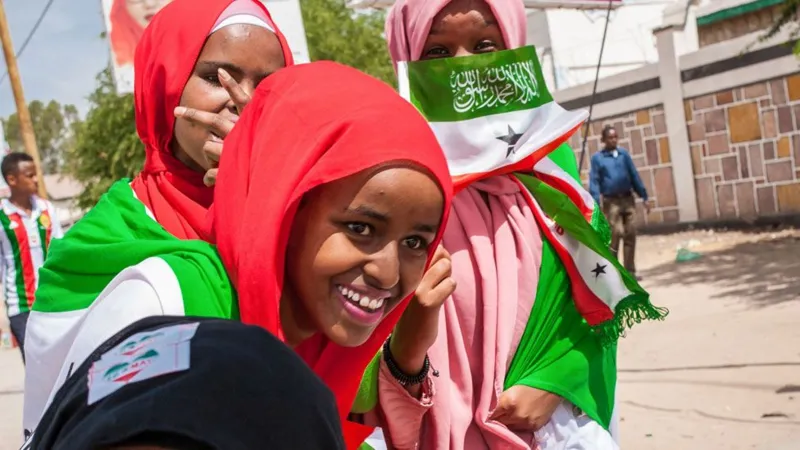
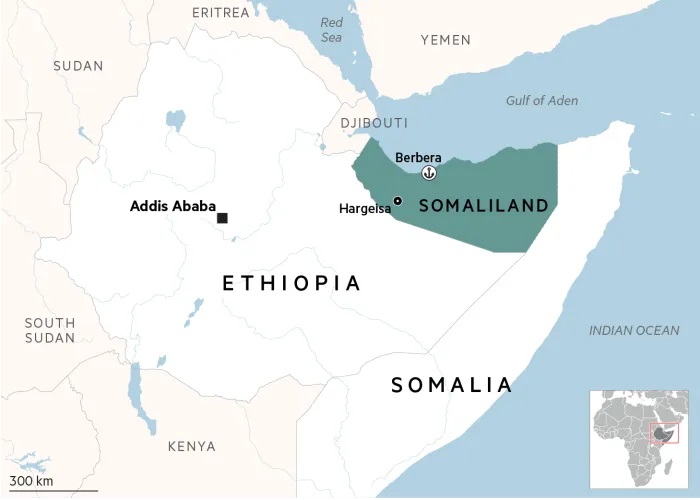
The election comes a year after Djibouti’s neighbour, Somaliland, held a multi-party, peaceful, free and fair election. The people of Djibouti no longer need to look to France for democratic elections; it is right in their backyard.
Guelleh’s re-election highlights the consolidation of long-term rule in Djibouti, where political continuity is closely tied to the country’s strategic value. The presence of multiple foreign military bases and Djibouti’s role in global trade routes have strengthened the government’s international relevance, often outweighing external pressure for political reform.
In the longer term, the combination of entrenched leadership, restricted political space, and economic strain may test the sustainability of the current system. While Djibouti remains stable for now, its future stability will likely depend on whether governance evolves to address both political inclusivity and economic opportunity.
Categories: Latest News