WASHINGTON (SD) – A new report submitted to the United States Congress identifies several areas where Washington could expand its engagement with Somaliland, particularly in security cooperation, diplomacy, trade, and investment.
The report, prepared under Section 7019(e) of the 2026 National Security, Department of State, and Related Programs Appropriations Act, reiterates that the United States continues to recognize the sovereignty and territorial integrity of Somalia. However, it also notes that Washington maintains a constructive relationship with Somaliland and is exploring opportunities for increased engagement within that policy framework.
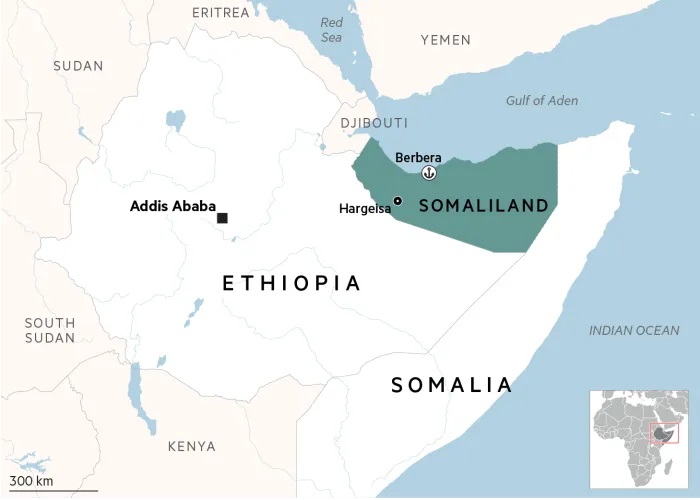
The report highlights Somaliland’s strategic location near the Bab al-Mandab Strait and the Red Sea, describing it as a potentially important partner in addressing shared security concerns.
According to the report, Somaliland’s geographic position could support efforts to monitor and counter extremist threats, including potential links between the Houthis and Al-Shabaab.
The report further states that officials from the United States Africa Command maintain regular engagement with Somaliland authorities and are examining areas for possible future cooperation.
The report notes that the U.S. Embassy in Mogadishu regularly visits Somaliland to discuss issues of mutual interest, including security, humanitarian assistance, and economic development.
It explains that travel to Somaliland remains subject to the same security requirements applied to the rest of Somalia, requiring extensive logistical and security arrangements. Embassy officials reportedly coordinate closely with AFRICOM when conducting such visits.
The report also points to Somaliland’s economic potential and efforts to attract foreign investment, particularly in natural resources, infrastructure, transportation, and trade.
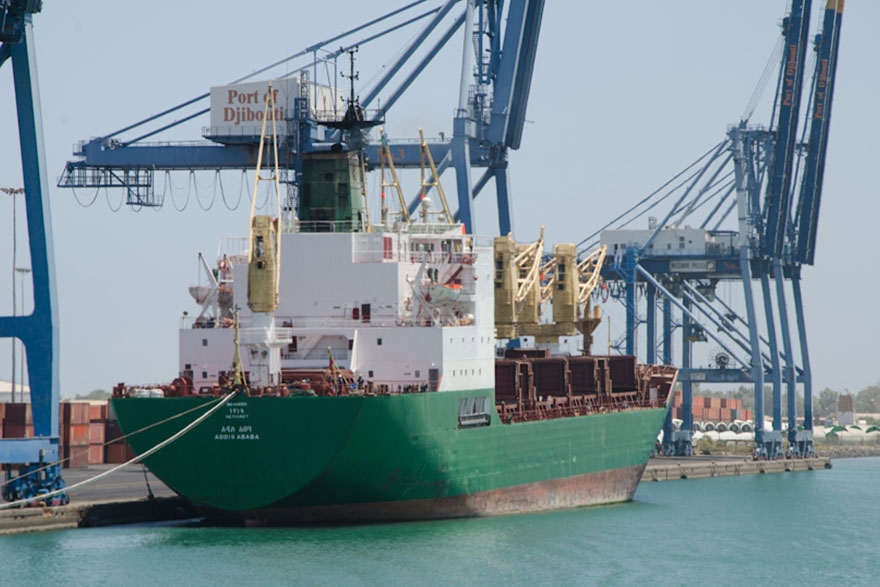
Particular attention is given to the development of the Port of Berbera and Berbera Airport, which are increasingly viewed as strategic transportation hubs for Somaliland and neighbouring Ethiopia.
According to the report, these developments could create new opportunities for American investment, exports, and commercial partnerships.
However, the report also acknowledges ongoing challenges, including regional security concerns and the unresolved political dispute over Somaliland’s status, which continue to affect investment, banking, and broader economic activity.
The congressional report is significant because it publicly recognizes Somaliland’s growing strategic relevance to U.S. interests while reaffirming Washington’s longstanding policy of recognizing Somalia’s territorial integrity.
Although the report does not signal any change in U.S. recognition policy, it suggests that Somaliland is increasingly being viewed in Washington through a practical lens focused on security, trade, and regional stability.
The emphasis on Berbera, maritime security, and AFRICOM cooperation reflects growing American interest in the Red Sea corridor, particularly as geopolitical competition intensifies and concerns grow over Houthi attacks on international shipping.
For Somaliland, the report can be viewed as a positive development because it formally acknowledges the territory’s strategic value and the possibility of deeper engagement with the United States. Supporters of Somaliland are likely to argue that such engagement strengthens their case for greater international recognition.
At the same time, the report makes clear that political obstacles remain. Washington continues to support Somalia’s sovereignty while pursuing practical cooperation with Somaliland, reflecting a policy of increased engagement without formal recognition.
Overall, the report indicates that Somaliland is becoming an increasingly important factor in U.S. strategic planning for the Horn of Africa, particularly in the areas of maritime security, counterterrorism, and regional trade.
Categories: Latest News