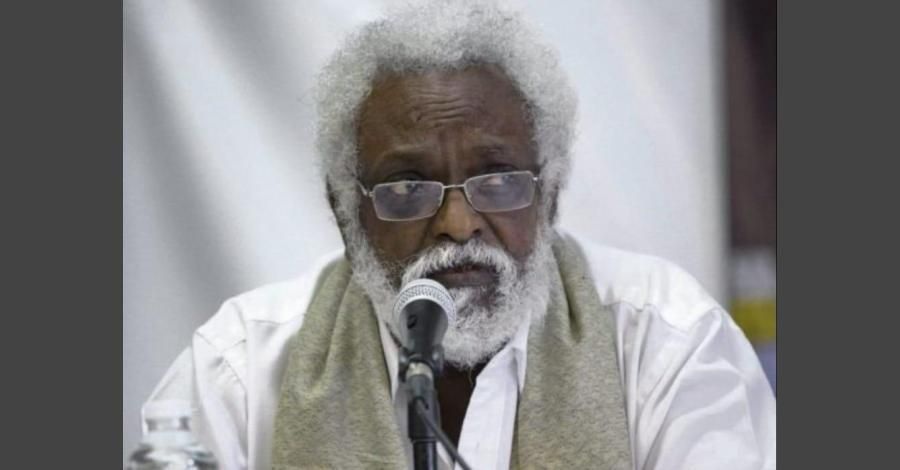
NAIROBI – Kenyan intelligence and immigration authorities on Sunday detained and deported Abshir Mohamed Ahmed, also known as Abshir Bukhari, a Somali Minister of State at the Presidency, over allegations linked to terrorism financing and passport irregularities.
According to unnamed Kenyan security sources cited in local reporting, Abshir Bukhari arrived in Nairobi from Mogadishu on a Somali diplomatic passport. Authorities also alleged that he possessed a Kenyan passport suspected of having been obtained illegally.
The sources further claimed that Bukhari was carrying an undisclosed amount of cash when he arrived. Following questioning by immigration and counter-terrorism officers, he was deported back to Mogadishu.
Kenyan security officials reportedly suspect the money, together with previous intelligence, may be linked to terrorism financing or money laundering. Kenya has repeatedly warned that terrorist networks channel funds through the country, investing in businesses and property to conceal the origins of illicit money.
If confirmed, Bukhari would become the second senior Somali government official deported from Kenya in recent weeks.
Last month, Kenyan authorities also deported Somalia’s Deputy Prime Minister, Jibril Abdirashid Haji, after alleging he entered the country using a Somali diplomatic passport while also possessing a Kenyan passport believed to be fraudulent. He was detained overnight at Jomo Kenyatta International Airport before being returned to Mogadishu.
Kenya has recently intensified efforts to crack down on forged identity documents, particularly Kenyan passports, which officials say have been illegally obtained by several foreign nationals, including Somalis.
Neither Abshir Bukhari nor the Somali government has publicly responded to the allegations or the deportation. Likewise, Mogadishu has not officially commented on the earlier deportation of Deputy Prime Minister Jibril.
The developments come amid heightened political tensions in Somalia following the expiry of the federal government’s mandate and recent armed clashes in Mogadishu.
The back-to-back deportations of senior Somali officials could further strain relations between Kenya and Somalia, particularly as Nairobi increases scrutiny of border security, identity fraud, and terrorism financing. However, the allegations against Abshir Bukhari remain unproven, and Kenyan authorities have not publicly presented evidence to support the claims. Until official investigations or court proceedings provide further details, the accusations should be treated as allegations rather than facts.
Categories: Latest News