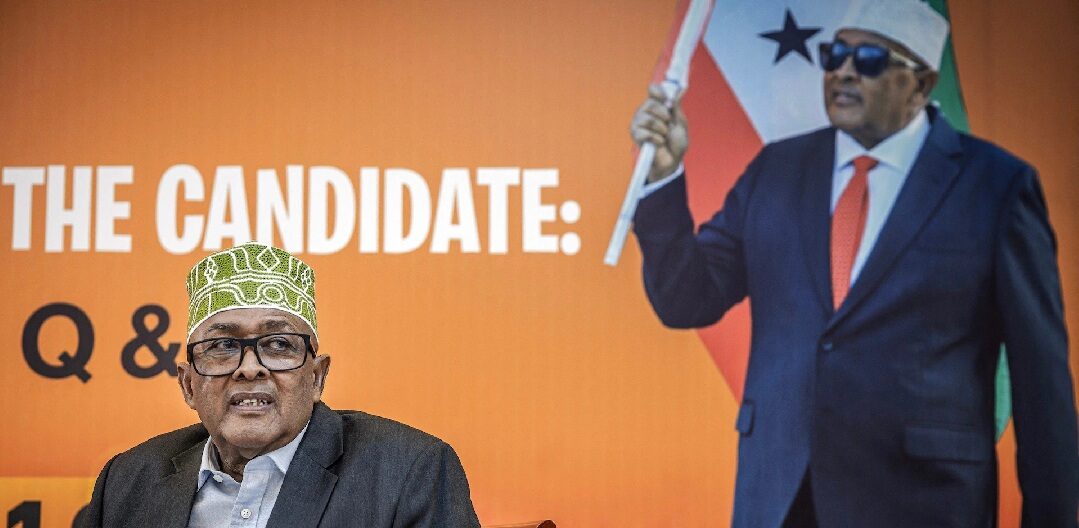
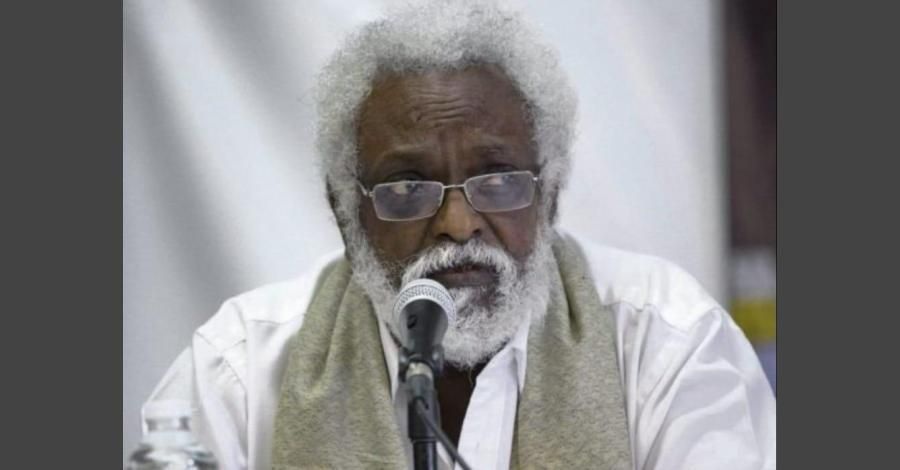
WASHINGTON (SD) — Somaliland President Abdirahman Mohamed Abdullahi “Irro” has used his September 14, 2026 address at the Hudson Institute to strengthen Somaliland’s case for deeper relations with the United States, presenting the territory as a potential strategic partner in the Horn of Africa.
The address represents an evolution in Hargeisa’s approach to Washington. It follows former President Muse Bihi Abdi’s March 2022 visit to the United States, when he addressed the Heritage Foundation and called for stronger U.S.-Somaliland relations. Bihi’s outreach emphasized Somaliland’s democratic institutions, security cooperation and strategic position along the Gulf of Aden. At the time, Washington maintained its policy of recognizing Somalia’s territorial integrity while engaging Somaliland separately.
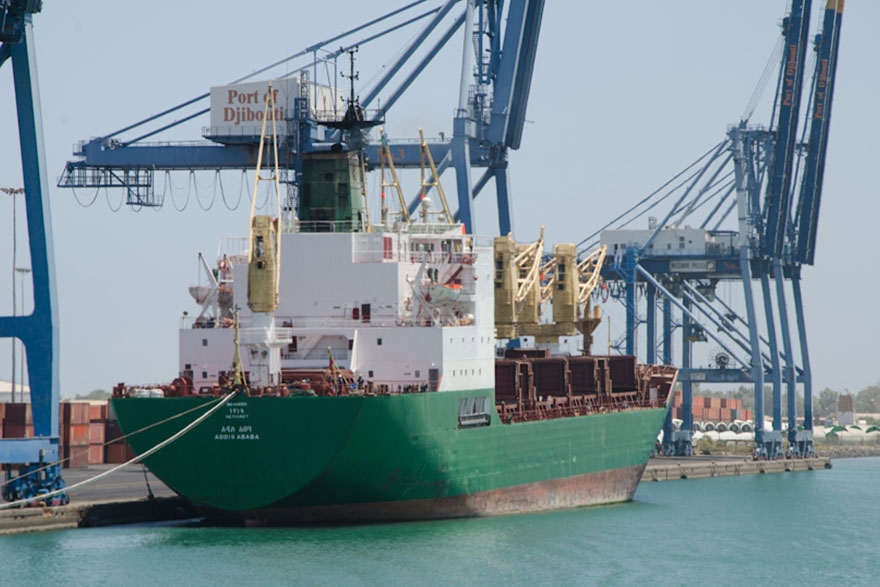
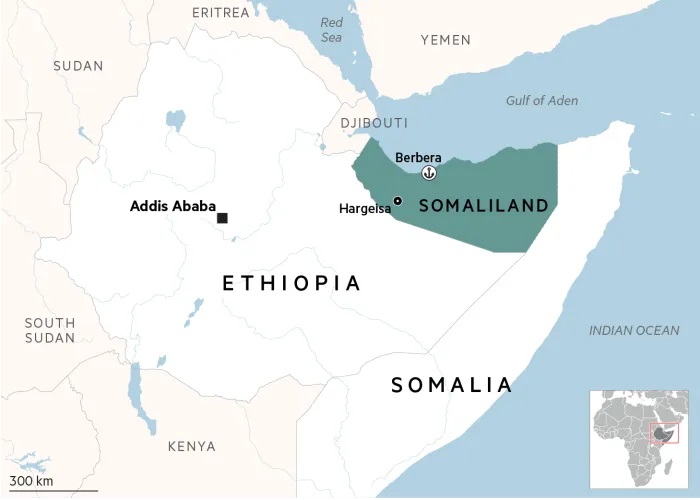
Irro’s administration is placing greater emphasis on Somaliland’s strategic and economic value to the United States. His message highlights Somaliland’s coastline, the Port of Berbera and its proximity to the Bab el-Mandeb, a major maritime chokepoint linking the Red Sea with the Gulf of Aden. For Hargeisa, the growing security concerns around the Red Sea and Gulf of Aden provide an opportunity to demonstrate that Somaliland can offer practical cooperation in maritime security, counterterrorism, trade and investment.
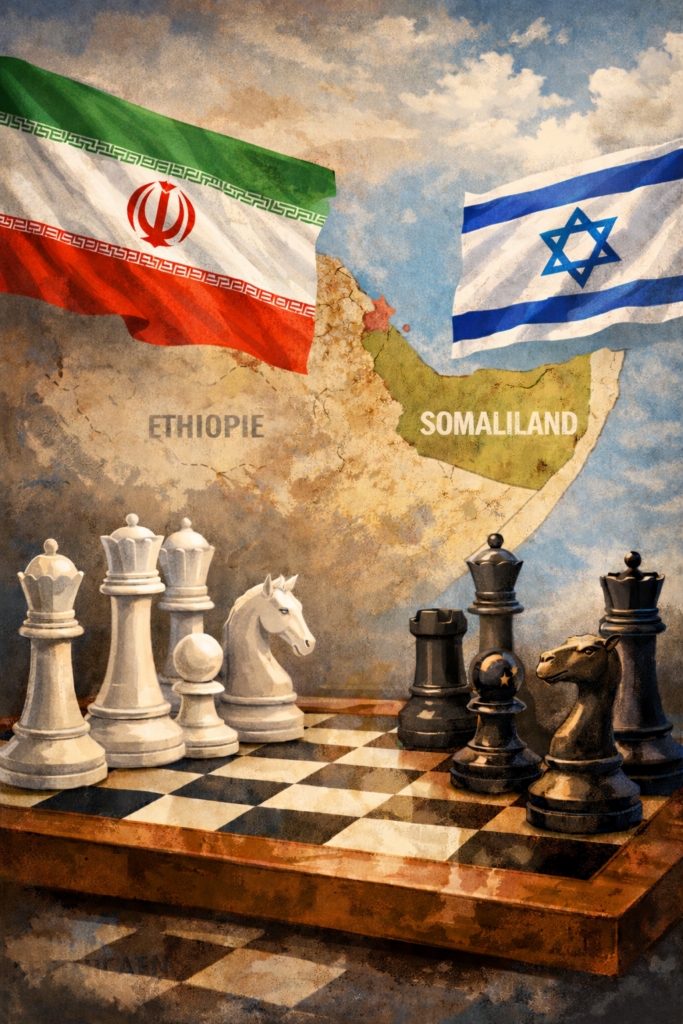
The approach also reflects changes in the wider regional environment. Continuing attacks on commercial shipping in the Red Sea, instability around Yemen and competition involving China, Iran and Russia have increased international attention on the Horn of Africa. Somaliland is seeking to position itself within these developments as a stable and strategically located partner for Western countries, rather than being viewed exclusively through the political dispute between Hargeisa and Mogadishu.
For Somaliland, the central objective remains international recognition, but Irro’s strategy appears to be to connect that objective with U.S. strategic interests. The argument is that Somaliland’s geographic location, institutions and existing infrastructure could make closer bilateral relations mutually beneficial. This gives Hargeisa an additional framework for engaging American policymakers beyond the historical and legal arguments surrounding Somaliland’s declaration of independence.
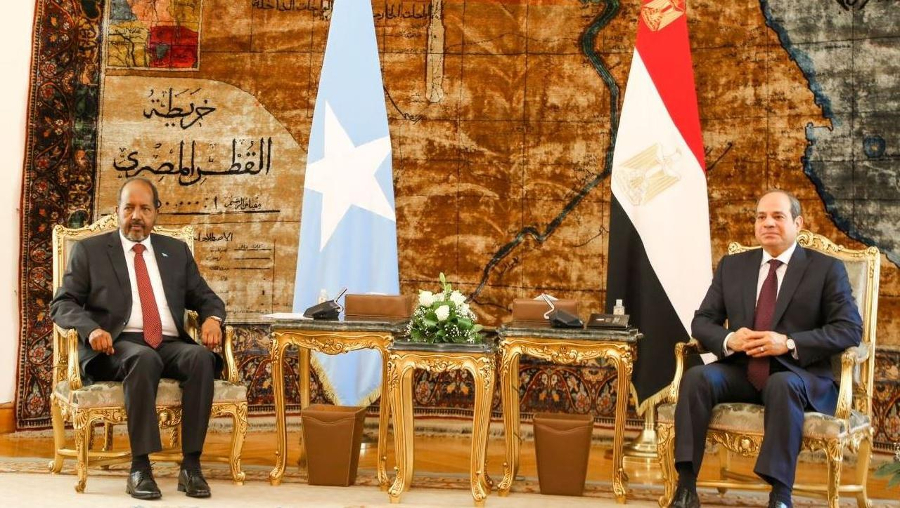
The strategy, however, faces significant diplomatic obstacles. Somalia continues to reject Somaliland’s independence claim and considers the territory part of its sovereign territory. A substantial change in U.S. policy would therefore have consequences for Washington’s relationship with Mogadishu and could also affect its relations with other regional governments and the African Union.
The Hudson Institute event itself does not constitute a change in U.S. government policy. Nevertheless, from Hargeisa’s perspective, the platform provides an opportunity to place Somaliland’s strategic importance before influential American policymakers at a time when the Red Sea and Horn of Africa have become increasingly important to U.S. security interests.
Irro’s September 14 address therefore signals a broader diplomatic effort to reframe Somaliland in Washington—from a territory primarily seeking recognition into a potential strategic partner offering security, maritime and economic advantages. The effectiveness of that strategy will ultimately depend on whether the increased political attention can translate into concrete U.S.-Somaliland engagement and, potentially, a reassessment of Washington’s longstanding policy toward Somaliland’s international status.
Categories: Latest News