MOGADISHU (SD) — Somalia’s Somali Future Council (SFC), an opposition coalition that includes the presidents of Puntland and Jubaland as well as opposition politicians, has appealed to the United Nations and international partners to support a new inclusive political dialogue aimed at resolving the country’s disputes over elections, constitutional arrangements and the political transition.
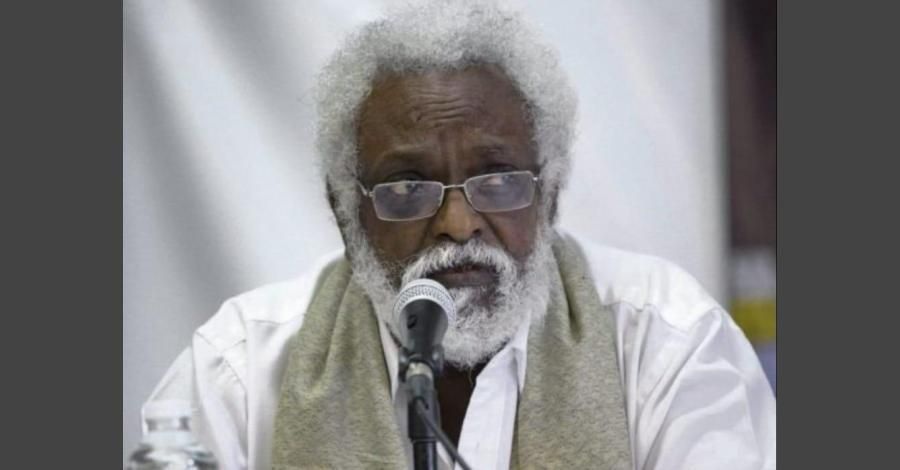
In a letter dated September 11 and addressed to UN Secretary-General António Guterres, the Council called for negotiations between the Federal Government of Somalia and the SFC to be conducted on equal terms. It also asked the United Nations and the Security Council to support an international mediator and guarantor capable of monitoring any agreement reached and helping ensure its implementation. The letter was confirmed as authentic by the Council’s secretary-general, Abdullahi Abubakar Haji.
The Council said several internationally supported attempts at dialogue over the past nine months had failed to produce an agreement. It argued that a new process should include stronger international involvement, including defined mechanisms for monitoring compliance with any political settlement.
The SFC has also requested an independent international presence to accompany Somalia’s electoral process and called for independent reporting to the UN Security Council on political and security developments. The coalition further urged that humanitarian operations be protected from the effects of political disputes.
The latest appeal follows a broader campaign by the Future Council to involve Somalia’s international partners in the country’s political dispute. In July, the Council called on countries contributing troops and police to the African Union Support and Stabilization Mission in Somalia (AUSSOM) to support an inclusive political agreement. It proposed the creation of an inclusive transitional council to oversee constitutional and electoral processes until new national institutions could be established.
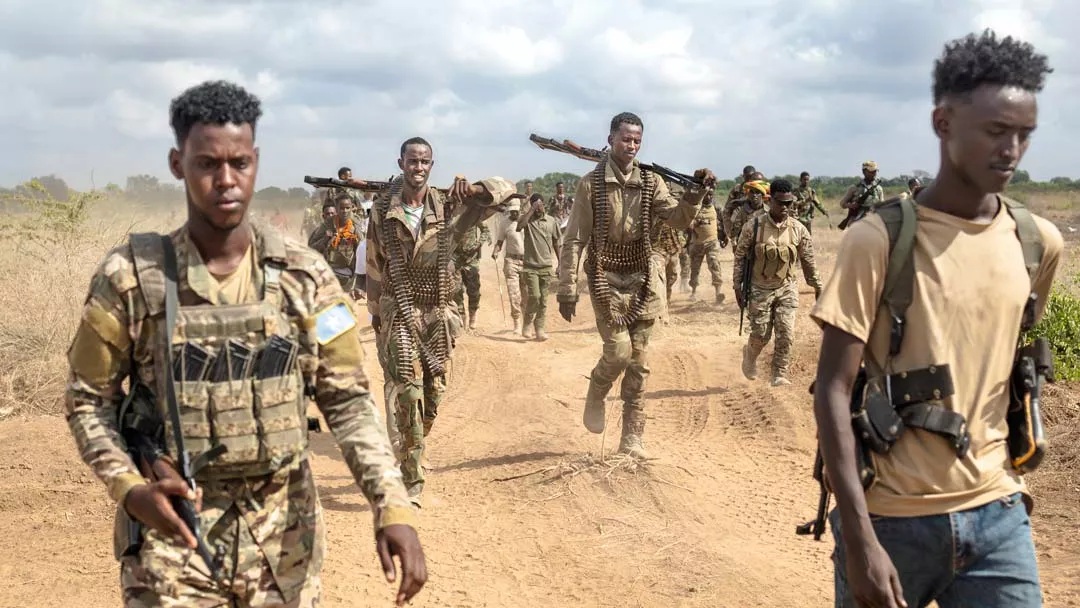
The Council has argued that political divisions are weakening Somalia’s security institutions and complicating the fight against Al-Shabaab and ISIS. It has also called for greater international attention to disputes between the Federal Government and federal member states, particularly Puntland and Jubaland.
The Council’s latest letter reportedly raises concerns about the use of state security institutions and military capabilities in internal political disputes. This comes amid continuing disagreements over the constitutional process, elections and the management of Somalia’s political transition.
The arms-embargo issue requires some clarification. The UN Security Council lifted the general and complete arms embargo on Somalia in December 2023, but subsequently imposed an arms embargo specifically targeting Al-Shabaab. Current UN measures prohibit weapons and military equipment from being supplied to Al-Shabaab, while exempting specified Somali government security institutions.
The political dispute has also attracted attention from the African Union. In May, the African Union Commission said negotiations between the Federal Government and representatives of the Somali Future Council had ended without consensus and urged the parties to return to substantive dialogue based on negotiation, compromise and constitutional order.
Neither the Federal Government of Somalia nor the United Nations had publicly announced acceptance of the Future Council’s latest proposals at the time of reporting.
The Future Council’s latest appeal represents an attempt to internationalize Somalia’s political negotiations more directly. By seeking a UN-supported mediator and an international guarantor, the opposition coalition is arguing that previous Somali-led and internationally facilitated negotiations have failed to produce sufficient guarantees for implementation.
The proposal for equal participation between the Federal Government and the Future Council is particularly significant. Mogadishu has maintained that national institutions and constitutional processes should remain the basis for resolving political disagreements, while the opposition coalition is seeking a more formal role for itself in determining the country’s transitional and electoral arrangements.
The dispute also has implications for AUSSOM. The Future Council’s July appeal linked Somalia’s political settlement to the effectiveness of international security assistance, arguing that military operations against Al-Shabaab cannot be separated from questions of political legitimacy and institutional neutrality. This comes as AUSSOM itself faces serious financial and political pressures, including uncertainty over future UN logistical support.
The central issue now is whether the latest international appeal can produce a framework acceptable to both Mogadishu and the opposition coalition. The African Union’s previous call for renewed dialogue suggests international partners continue to see political compromise as necessary, but the major parties remain divided over the terms and structure of Somalia’s political transition.
Categories: Latest News