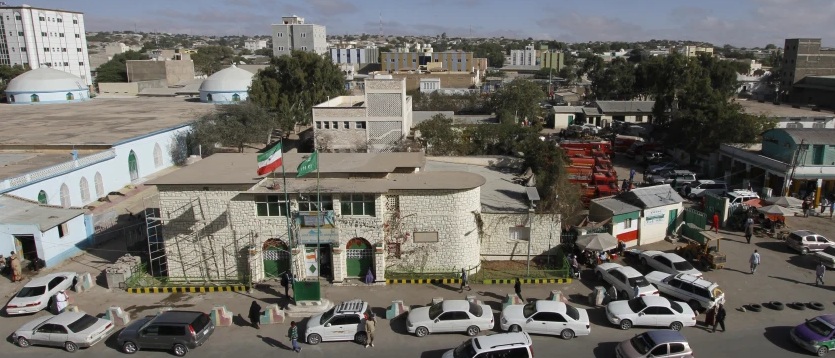
BELEDWEYNE (SD) — Political tensions in Beledweyne, the capital of Hiiraan region, have intensified amid reports of increased military movements and the display of weapons as political leaders, traditional elders and community figures debate the future of Hirshabelle and the upcoming state leadership election.
The latest developments follow the arrival in Beledweyne of Hawadle traditional leader Ugas Yusuf Ugas Hassan, accompanied by Somali lawmakers from both houses of Parliament. The delegation travelled to the city for consultations on the political situation and the Hawadle community’s position on the formation of the next Hirshabelle administration.
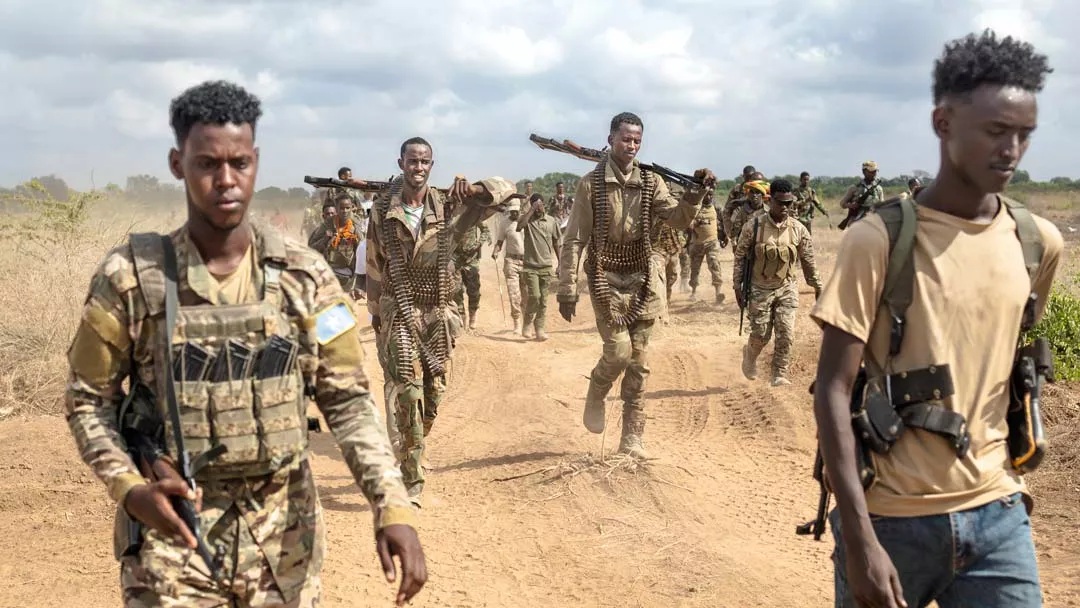
Hiiraan Online reported that security was tightened in Beledweyne following the delegation’s arrival, while footage circulated on social media appeared to show weapons and military vehicles being displayed in parts of the city. The circumstances surrounding the deployment were not immediately clear, however, and there has been no independent confirmation that armed clan forces are being mobilized for a specific military operation.
The political dispute centers largely on the upcoming Hirshabelle leadership election. Hawadle politicians and elders have argued that the electoral process should not proceed in Hiiraan without a prior political agreement and broad community consensus. Hirshabelle Vice President Yusuf Hagar Dabageed previously warned that elections could not be conducted “even in a single village” in Hiiraan without agreement among the relevant stakeholders.
On September 17, Hawadle intellectuals, politicians and traditional elders went further, calling for the suspension of electoral and political processes in Hiiraan until an inclusive agreement is reached. They said the formation of the next Hirshabelle administration should be based on justice, representation and agreed power-sharing arrangements. The group also warned that electoral authorities could bear responsibility for unrest if elections were held without community consensus.
The dispute intensified after Somalia’s ruling Justice and Solidarity Party (JSP) nominated incumbent Hirshabelle President Ali Abdullahi Hussein Guudlaawe for another term. The decision has faced opposition from Hawadle political and community figures, who have been seeking a greater role for Hiiraan in determining the state’s leadership.
Tensions have already produced direct security incidents. On September 7, gunmen identified by local reporting as Macawisley militia attacked a voter-registration center in Beledweyne, killing one person and wounding two others, according to FTL Somalia. The attack forced registration staff to flee and temporarily halted the registration process.
The combination of political mobilization, community consultations and visible military activity has raised concerns that the dispute could develop into a broader security crisis. Beledweyne has previously experienced clashes linked to disagreements over political authority and the relationship between Hiiraan-based forces and Hirshabelle institutions.
At the same time, some of the region’s political leaders have stressed that their objective is not to create disorder. During the recent consultations, Vice President Dabageed said Hiiraan had grievances with both the Federal Government and the Hirshabelle administration but emphasized that the region did not want chaos. He said the Hawadle leadership was seeking dialogue over what it considers the region’s political rights.
The developments come as competing political forces seek to influence the next stage of Hirshabelle’s political transition. With Beledweyne becoming the center of consultations, political rallies and reported military movements, pressure is mounting on federal and regional authorities to prevent political disagreements from turning into armed confrontation.
Categories: Latest News