KAMPALA (SD)— Uganda has suspended all defence and military cooperation with Türkiye, with sources linking the decision to growing disagreements over Uganda’s military presence in Somalia and Ankara’s expanding role in the country’s security sector.
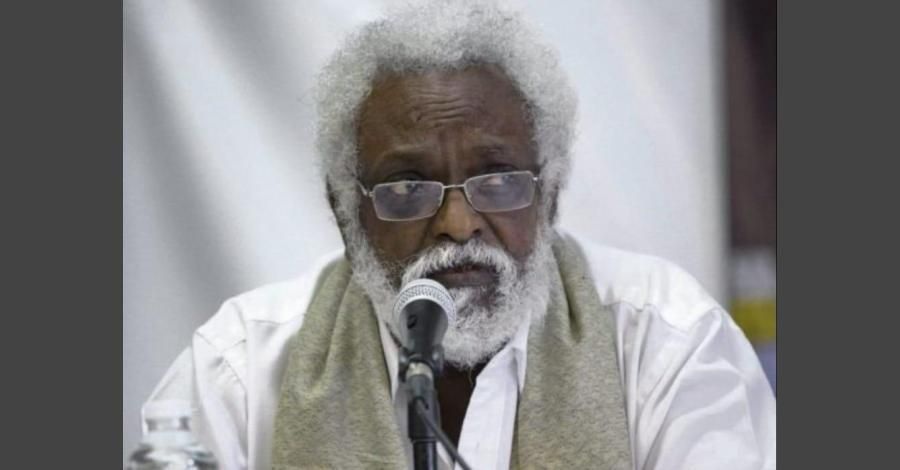
The Uganda People’s Defence Forces (UPDF) announced the suspension on Saturday, saying the measure would remain in place while outstanding defence issues between the two countries are addressed. Ugandan media initially linked the move to protests outside the Turkish Embassy in Kampala, where supporters of the Patriotic League of Uganda demanded that Türkiye extradite Ugandan political commentator Fred Lumbuye, who has lived in Türkiye since 2013. However, sources cited by Middle East Eye said the extradition dispute may be a public pretext for deeper disagreements involving Somalia.
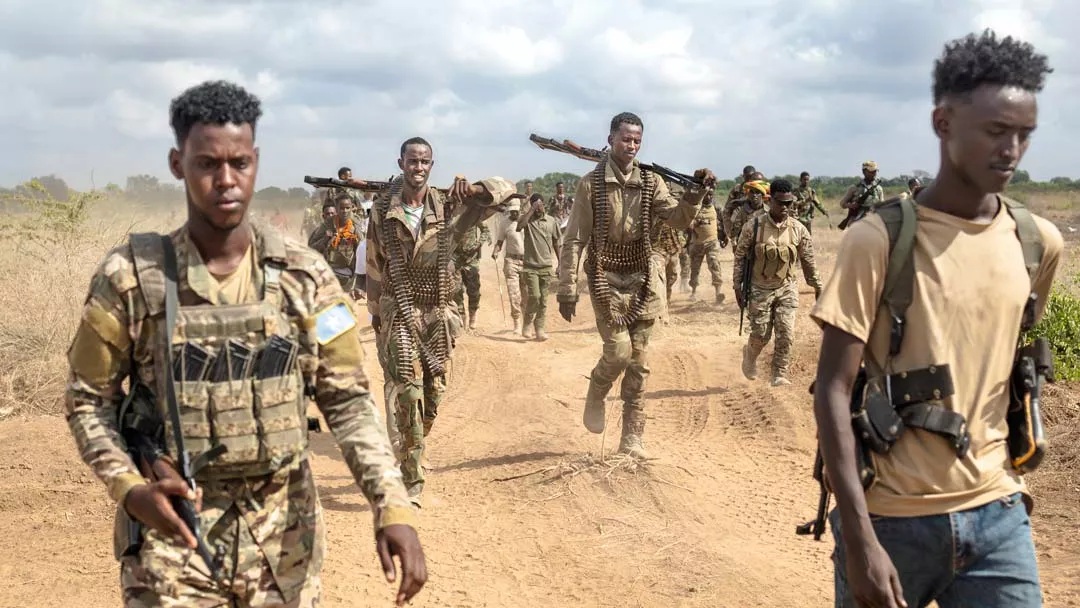
Uganda currently has about 4,500 troops serving under the African Union Support and Stabilization Mission in Somalia (AUSSOM), alongside additional Ugandan forces deployed under a separate bilateral arrangement, according to sources cited in the report. The future of the international mission has become increasingly uncertain amid questions over its financing and the growing capacity of Somali security forces.
The sources said Mogadishu has asked Uganda to withdraw its troops, pointing to the increasing strength of Somali forces trained by Türkiye. Ankara has become one of Somalia’s most important security partners, having trained thousands of Somali soldiers and commandos over the past decade. This growing Turkish role has coincided with efforts by the Somali government to gradually assume greater responsibility for national security.
For Uganda, any significant reduction or end to its military deployment in Somalia could carry substantial financial consequences. Sources cited by Middle East Eye estimated that Kampala could lose between $5 million and $6 million a month, or as much as $60 million to $72 million annually, if its deployment ends. Uganda may therefore be seeking to pressure Ankara, which it regards as an influential actor in Somalia’s evolving security architecture, to help resolve the dispute.
The dispute could also have wider implications for Uganda-Türkiye relations. Reports indicate that Kampala could consider reviewing major Turkish commercial projects, including a reported $3 billion railway contract awarded to Turkish construction company Yapi Merkezi. Any prolonged deterioration in relations could therefore extend beyond defence cooperation into infrastructure, trade and investment.
For Somalia, the dispute highlights the increasingly complex transition in its security sector. As Turkish-trained Somali forces expand their capabilities, Mogadishu faces growing pressure to reduce dependence on foreign troop contributors while ensuring that the security gains achieved over the past two decades are not undermined. At the same time, uncertainty surrounding AUSSOM’s long-term financing could complicate the transition and affect countries such as Uganda that have maintained substantial military deployments in Somalia.
The Ugandan government has not publicly confirmed the broader Somalia-related explanation reported by the sources, making it unclear whether the suspension will develop into a prolonged diplomatic confrontation or be resolved through negotiations with Ankara.
Categories: Latest News