MOGADISHU (SD)— Yemen’s Houthi movement is seeking to expand its presence into Somalia, potentially creating a new platform for attacks on regional shipping and increasing risks to U.S. forces in the Horn of Africa, according to a report by Stars and Stripes, citing U.S. Africa Command (AFRICOM).
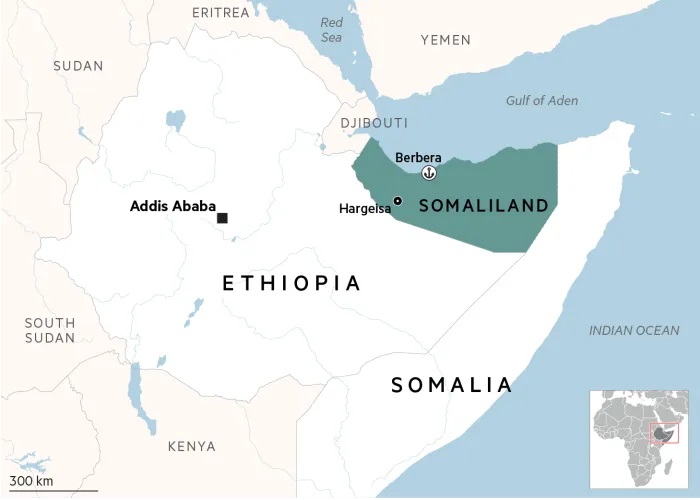
A U.S. military official told the publication that Houthi representatives or fighters may already be present in northern Somalia alongside al-Shabaab, the al-Qaeda-linked militant group operating in the country. The official warned that cooperation between the two groups could give the Houthis access to territory from which to extend their operations across the Gulf of Aden.
The reported relationship has raised concerns about the security of one of the world’s strategically important maritime corridors. A stronger Houthi presence on the Somali coast could increase the possibility of attacks from both sides of the Gulf of Aden, placing additional pressure on efforts to protect commercial shipping and regional trade routes.
AFRICOM is also concerned that the Houthis could provide al-Shabaab with more advanced weapons, training and technical expertise, particularly in drones and other military capabilities. Such cooperation could increase the group’s ability to threaten U.S. personnel and interests in East Africa, including those based at Camp Lemonnier in Djibouti, a key hub for American military operations in the region.
The warning comes as the U.S. military adjusts some of its surveillance capabilities. Stars and Stripes reported that an unspecified number of MQ-9 Reaper drones were being moved from Somalia to the Western Hemisphere for operations targeting drug cartels. AFRICOM declined to disclose aircraft locations or future deployment plans, citing operational security. The publication noted that the reduction in drone coverage could complicate efforts to monitor al-Shabaab and track Houthi activity in Somalia.
The full scale of the Houthis’ presence in Somalia remains unclear. However, U.S. officials have previously warned about the movement’s long-range strike capabilities. Former AFRICOM commander Gen. Michael Langley told Congress last year that the Houthis could potentially attack the U.S. military base complex in Djibouti if they chose to escalate their confrontation with Washington.
The reported Houthi interest in Somalia highlights the growing connection between security threats in Yemen and instability in the Horn of Africa. A closer relationship with al-Shabaab could provide the Houthis with additional access, intelligence and operational options near the Gulf of Aden, while potentially giving al-Shabaab access to weapons and expertise it does not currently possess.
The key question is whether the reported contacts will develop into sustained operational cooperation or remain limited to weapons transfers, training and logistical links. Any expansion of the relationship could complicate maritime security and counterterrorism efforts, particularly if surveillance resources are reduced. The extent of the threat remains uncertain, and the claims cited in the report have not established that the Houthis have secured a permanent operational base in Somalia.
Categories: Latest News