TEL AVIV (SD)— Ethiopia’s ambassador to Israel, Tesfaye Yetayeh Anteneh, has warned that recognizing Somaliland could complicate Ethiopia’s security cooperation with Somalia and create opportunities for Al-Shabaab to expand its attacks across the Horn of Africa.
Speaking to Laura Cellier on i24NEWS’s Middle East Now, Anteneh was asked why Ethiopia had not followed Israel in formally recognizing Somaliland, despite Addis Ababa’s longstanding interest in securing reliable access to the sea. The ambassador pointed to the potential consequences for Ethiopian troops deployed in Somalia as a central consideration in Ethiopia’s calculations.
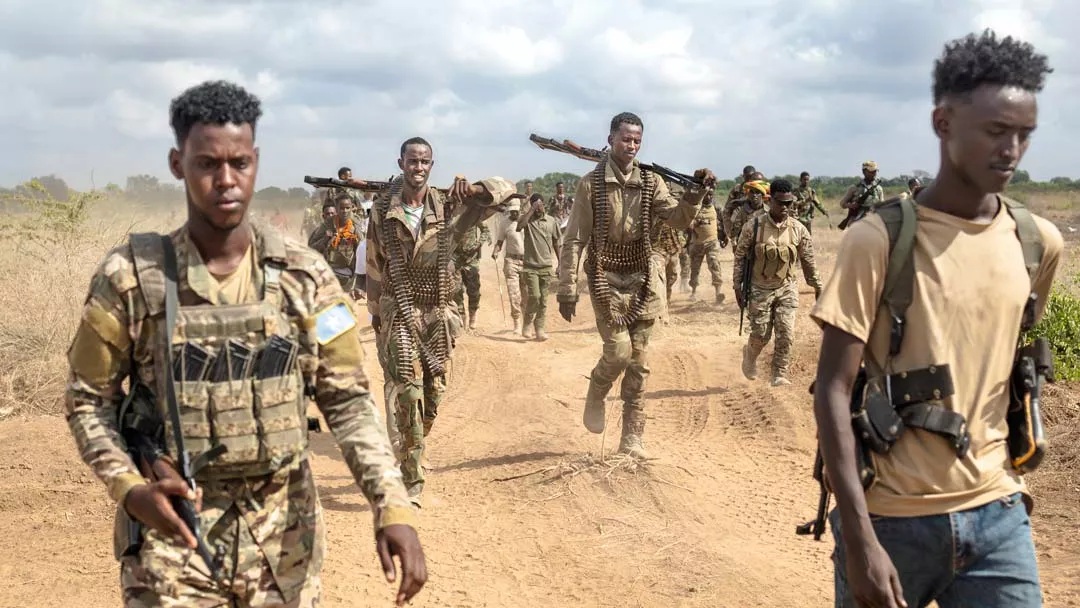
Anteneh argued that Somali authorities could respond to Ethiopian recognition by demanding the withdrawal of Ethiopian forces from Somalia. He warned that such a move could create a security vacuum that Al-Shabaab might exploit to launch further attacks in Somalia and Somaliland, with possible repercussions inside Ethiopia.
His comments suggest that Ethiopia’s position on Somaliland is influenced not only by its maritime ambitions but also by its security relationship with Mogadishu. Ethiopian troops have participated in African Union operations in Somalia and have also been involved in bilateral security cooperation against Al-Shabaab.
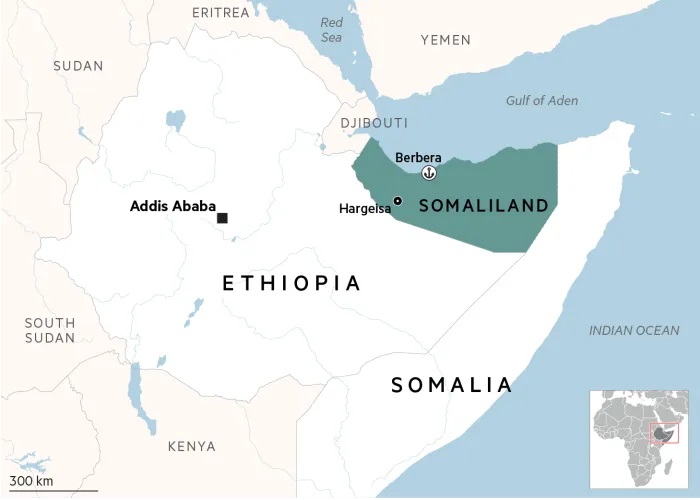
The interview comes against the backdrop of the January 2024 memorandum of understanding between Ethiopia and Somaliland, which raised the prospect of Ethiopian access to the coast and possible recognition of Somaliland. Somalia strongly opposed the agreement, describing it as a violation of its sovereignty. Tensions eased following the December 2024 Ankara Declaration, under which Ethiopia and Somalia agreed to pursue arrangements for Ethiopian sea access through negotiations respecting Somalia’s sovereignty.
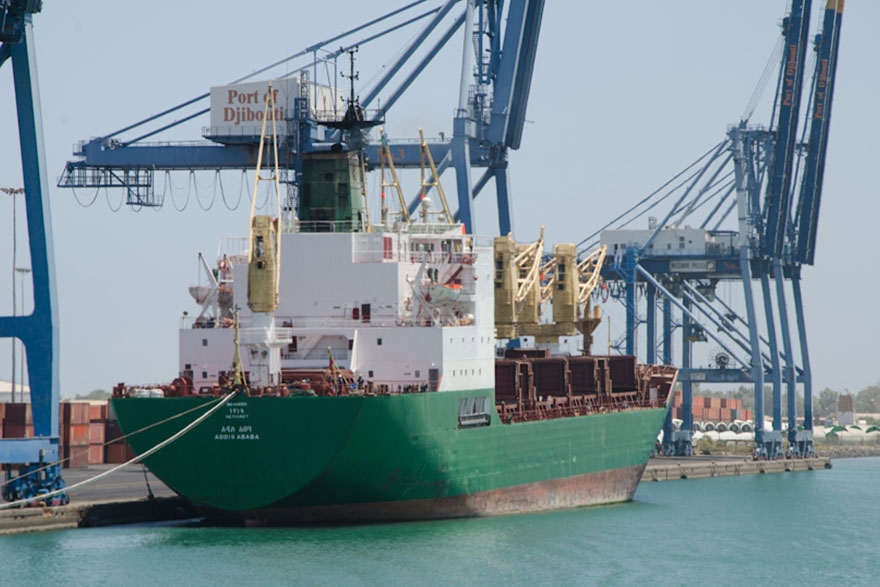
Somaliland’s representative to Israel, Mohamed Hagi, rejected Anteneh’s assessment, arguing that recognition would offer Ethiopia strategic, economic and security advantages rather than expose it to greater danger. Hagi pointed to Somaliland’s location along the Gulf of Aden and the potential importance of Berbera port to Ethiopia’s trade and maritime access. His response was reported by Somalilandpost News following the interview.
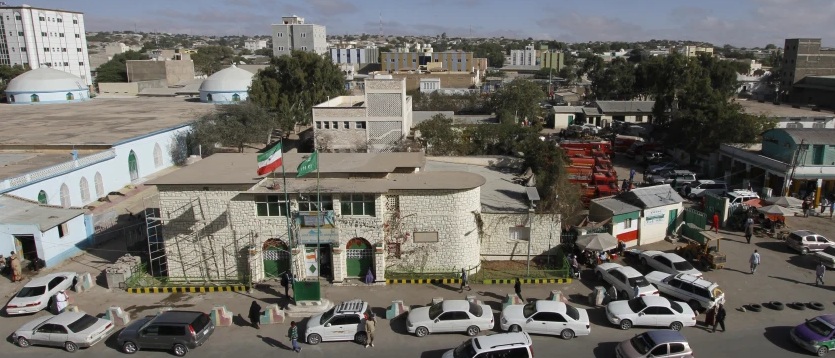
Israel formally recognized Somaliland on December 26, 2025, becoming the first country to do so. Ethiopia, however, has not announced a comparable decision. Anteneh did not rule out the possibility of future recognition, but emphasized the security and diplomatic complexities involved in such a move.
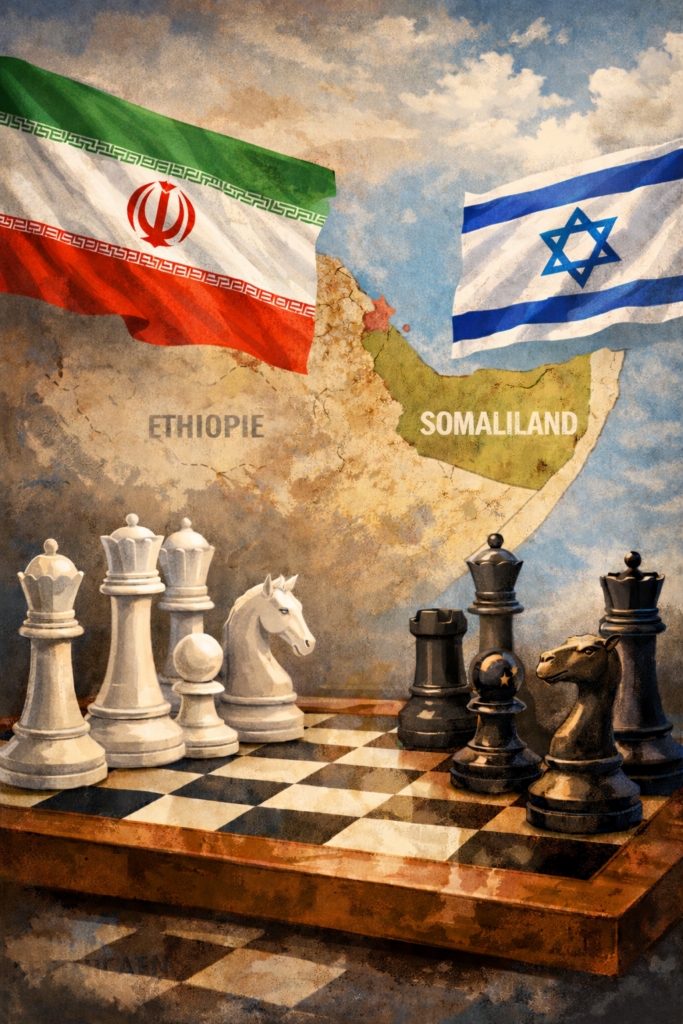
The i24NEWS interview highlights the competing priorities shaping Ethiopia’s approach to Somaliland: the search for reliable maritime access and the need to preserve security cooperation with Somalia. Anteneh’s warning reflects concern that a recognition decision could provoke a diplomatic response from Mogadishu with consequences for Ethiopia’s military presence.
Somaliland argues that formal recognition could build a stronger long-term partnership with Ethiopia, potentially expanding trade and security cooperation through Berbera. The disagreement centers on whether recognition would jeopardize existing security arrangements or create a new framework for regional cooperation.
The ambassador’s comments should be understood as a warning about a possible outcome, not confirmation that Somalia would necessarily demand an Ethiopian withdrawal or that Al-Shabaab would inevitably benefit. Those consequences would depend on subsequent decisions by the governments involved and the capacity of Somali and regional forces to maintain security.
For now, the interview indicates that Ethiopia’s maritime interests have not translated into a formal commitment to recognition. The question remains whether Addis Ababa can pursue its access-to-the-sea ambitions while managing its relationship with Mogadishu and addressing Somaliland’s demand for international recognition.
Categories: Latest News