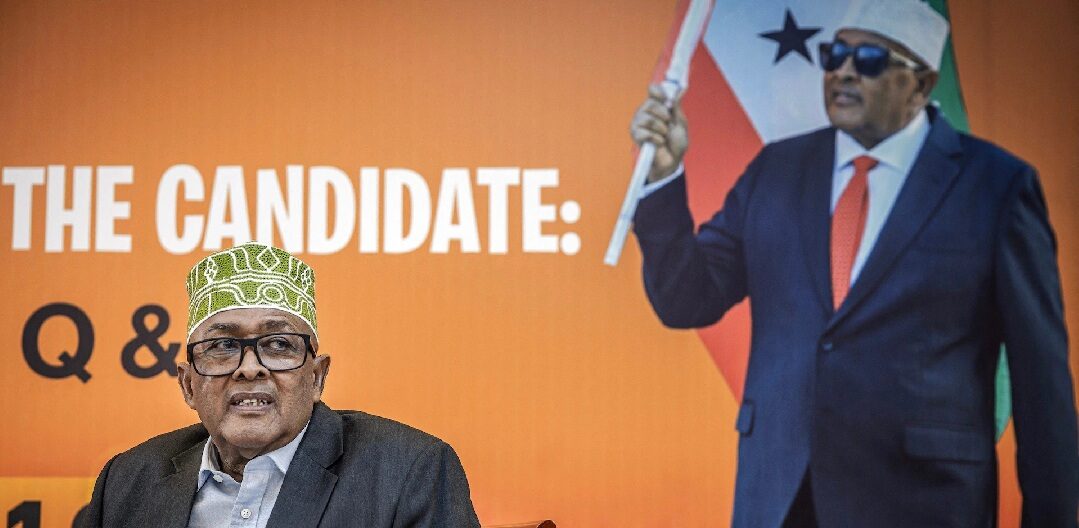
MOGADISHU (SD) — President Hassan Sheikh Mohamud has defended his government’s fight against Al-Shabaab, saying the group has become weaker despite recent territorial setbacks. In a recent interview with Sky News, he also discussed foreign involvement in Somalia, regional tensions, youth unemployment and the country’s dependence on international aid.
The interview, conducted by Sky News journalist Yousra Elbagir and published on October 29, covered Somalia’s security challenges and its position amid growing competition among foreign powers in the Horn of Africa and the Red Sea region.
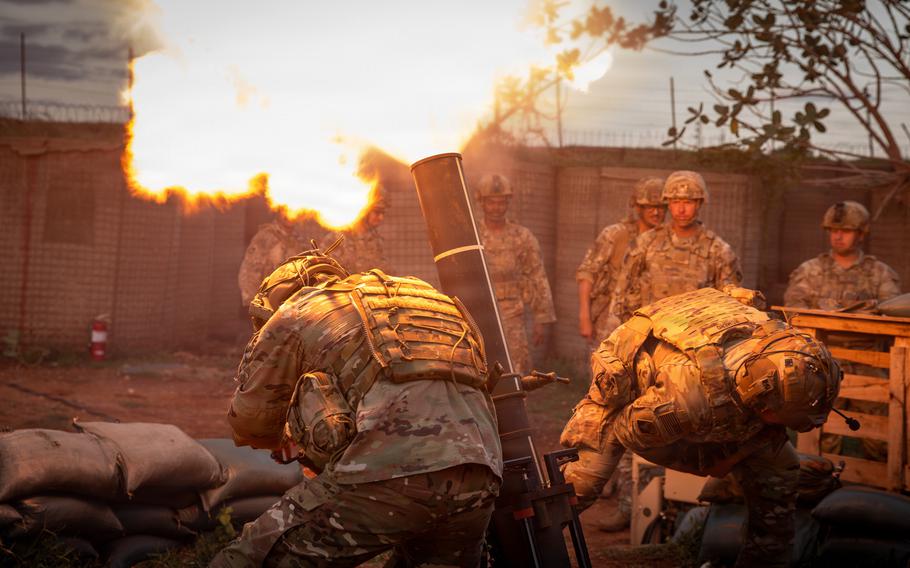
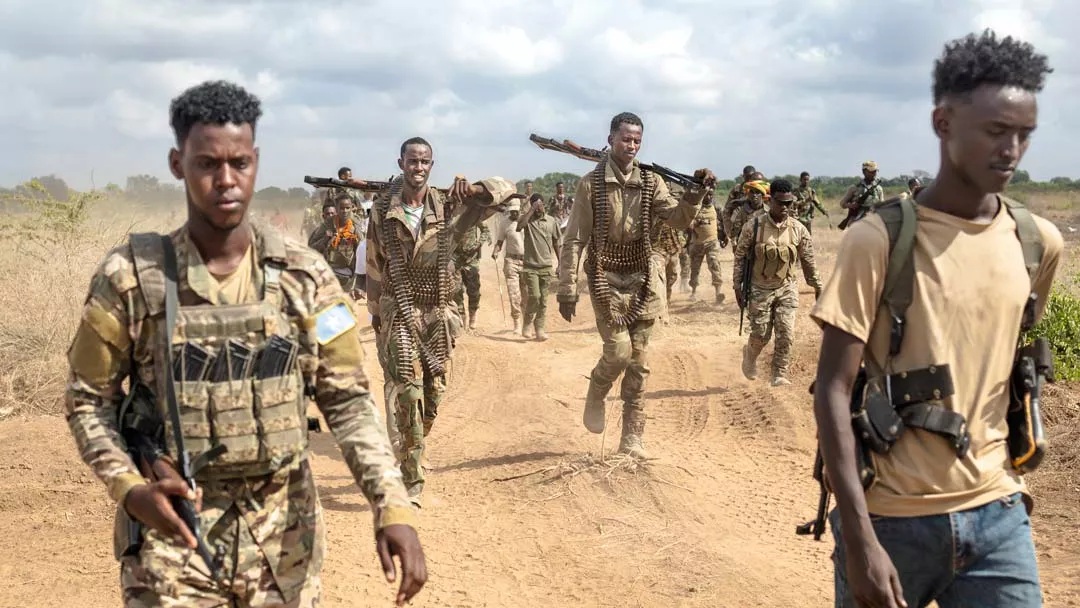
The president said the government remained confident it could defeat Al-Shabaab. He acknowledged that government forces had lost some positions and that the militant group had regained control of two districts, but argued that losing ground in some places does not mean the overall war is being lost.
He said Al-Shabaab was weaker than it had been four or five years ago, pointing to the loss of senior leaders and territory. He added that the government was using three approaches: military operations, challenging the group’s ideology and cutting off the money it collects from people and businesses.
Mohamud said Somalia does not want to be drawn into conflicts elsewhere in the region. He raised concerns about foreign countries using Somalia or its territory to advance their own interests.
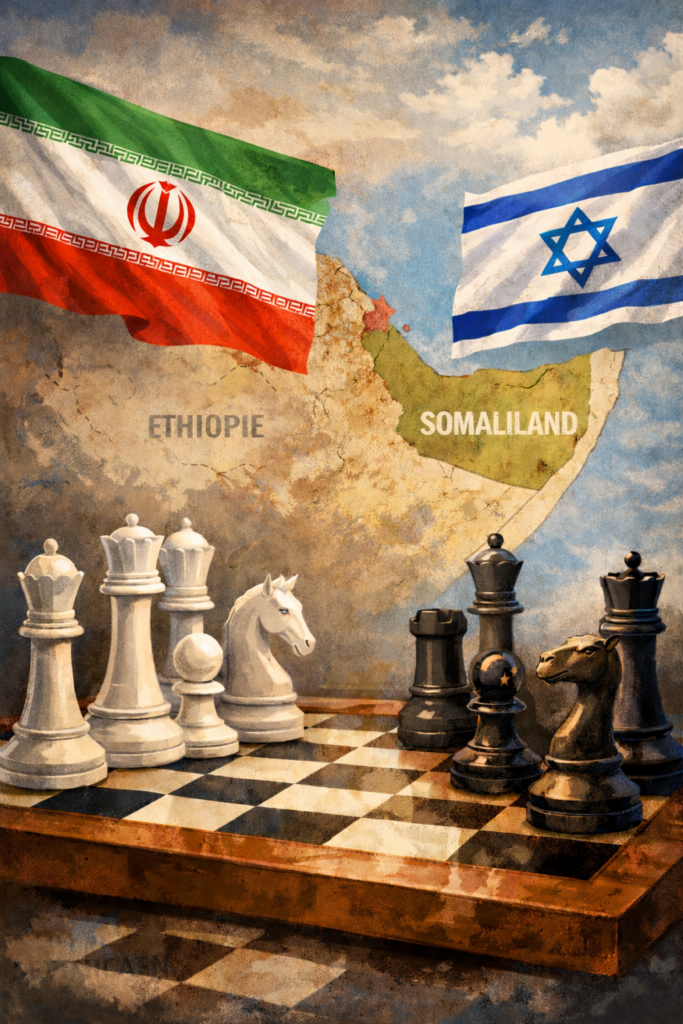
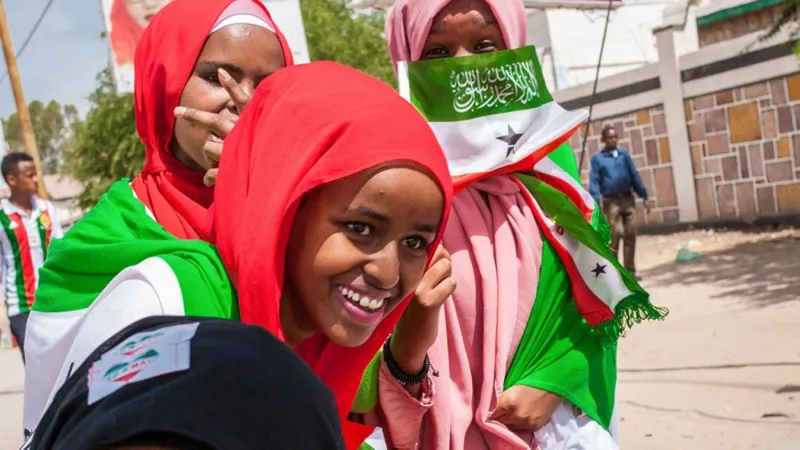
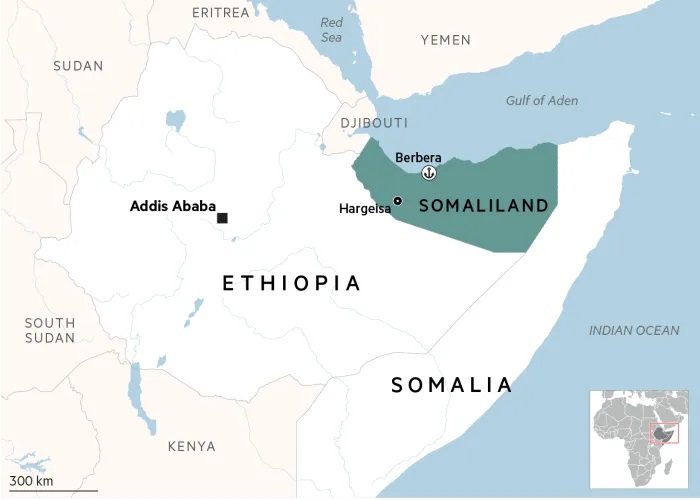
He also discussed Israel’s recognition of Somaliland, saying he believed Israel had wider strategic reasons for the move. His comments come amid tensions between Mogadishu and Hargeisa over Somaliland’s relations with Israel and the question of Somaliland’s political status.
The president also said Somalia would not allow foreign countries to establish military bases in the country simply to serve their own interests. He addressed relations with the United Arab Emirates, saying security and defence agreements with Abu Dhabi had been cancelled, although diplomatic relations could still be repaired.
The president said poverty and a lack of jobs make some young Somalis vulnerable to recruitment by Al-Shabaab. He argued that defeating the group requires more than military operations.
He pointed to job creation, education, vocational training and small-business support as ways to give young people alternatives to joining armed groups. He also said the government needed help from international partners to create more opportunities.
Mohamud criticized aid programmes that, in his view, leave people dependent on regular food and cash assistance. He said more support should go toward education, skills, farming, small businesses and other ways for people to earn a living.
He acknowledged that cuts in humanitarian assistance could hurt vulnerable communities in the short term, but argued that long-term support should help people become more self-reliant.
The interview shows that President Hassan Sheikh is presenting Somalia’s challenges as more than a military fight against Al-Shabaab. His message is that lasting security also depends on jobs, education, stronger public institutions and better economic conditions.
His comments on Al-Shabaab are important because he acknowledged that the group has regained some territory, while maintaining that the government is making progress overall. This highlights the difference between winning individual battles and achieving lasting control of areas across the country. The real test will be whether government forces can hold territory after capturing it and whether local communities can remain safe.
His remarks on foreign involvement also reflect Somalia’s concerns about growing competition in the Horn of Africa and the Red Sea. The disagreement with Somaliland over its relations with Israel remains a major political issue, while Somalia’s position on foreign military bases shows its desire to control decisions affecting its territory. These issues could continue to create tension with regional and international partners.
The president’s comments on poverty and unemployment also point to a major challenge: military action alone is unlikely to end Al-Shabaab’s influence if young people continue to face few jobs or opportunities. The government will need to turn its promises on education, employment and business support into practical programmes.
Overall, the interview presents three major challenges for Somalia: defeating Al-Shabaab, managing foreign involvement and improving the lives of ordinary people. Progress in one area will be difficult to sustain without progress in the others.
Categories: Latest News