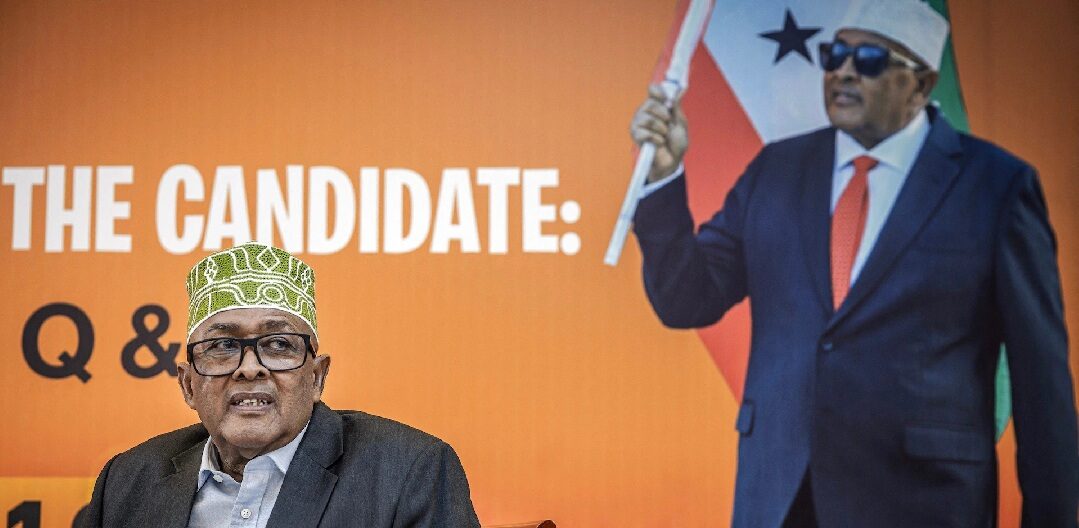
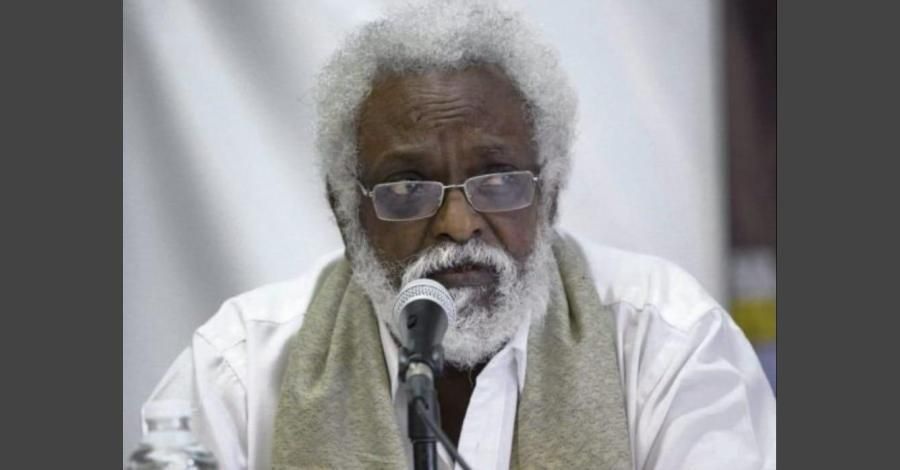
SYDNEY (SD) – Somaliland’s representative to Israel, Dr. Mohamed Omar Haji Mahmoud, known as Mohamed Hagi, has accused Somali President Hassan Sheikh Mohamud of having held discussions with Israeli officials and seeking to establish relations with Israel during both his administration and that of former President Mohamed Abdullahi Farmajo.
Hagi made the claims during an interview with Australian-based journalist Ibrahim Bafo, in which he discussed Somaliland’s relations with Israel and the United Arab Emirates (UAE), as well as the growing dispute between Mogadishu and Abu Dhabi.
The Somaliland envoy said President Hassan Sheikh was well aware of Somaliland’s cooperation with the UAE. He suggested that these relations were among the reasons behind Somalia’s decision to end its agreements and cooperation with Abu Dhabi.
“What happened between us and the UAE is the very reason Hassan Sheikh decided to cut ties with the UAE and raise such an outcry. He knows a great deal, and there are things the Somali people will soon discover,” Hagi said.
He also claimed that Hassan Sheikh had previously met Israeli officials and held several discussions about establishing relations with Israel. According to Hagi, contacts with Israel took place under both Farmajo and Hassan Sheikh.
However, Hagi did not provide documents or independent evidence to support his claims. The Somali presidency has not publicly confirmed the alleged meetings. The accusations therefore remain unverified.
The comments come amid rising tensions between Somalia and the UAE after Mogadishu announced the termination of its agreements and cooperation with Abu Dhabi. The Somali government said the decision was based on concerns over national sovereignty, unity and territorial integrity, as well as what it described as interference in Somalia’s internal affairs and foreign relations.
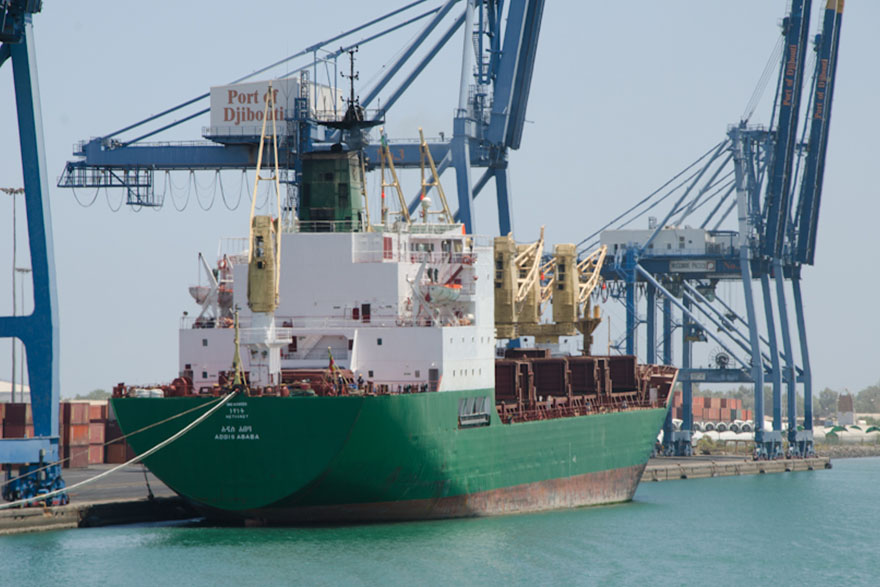
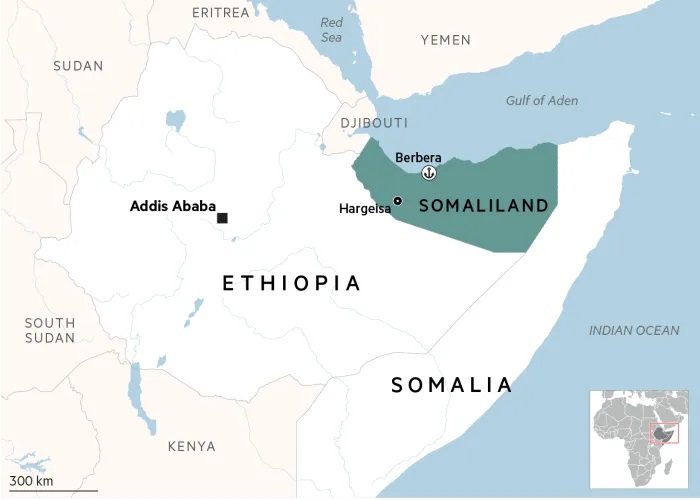
The UAE, meanwhile, has maintained close relations with Somaliland, particularly in trade, investment and security. One of its major projects is the development and operation of Berbera Port, which has growing importance for trade and shipping in the Red Sea and Gulf of Aden.
Somaliland says it has the right to establish relations with other countries and describes its cooperation with Israel as part of its efforts to protect its interests and gain international recognition.
Somalia rejects these relations, arguing that Somaliland remains part of the Federal Republic of Somalia and cannot independently sign international agreements that affect the country’s sovereignty and territorial unity.
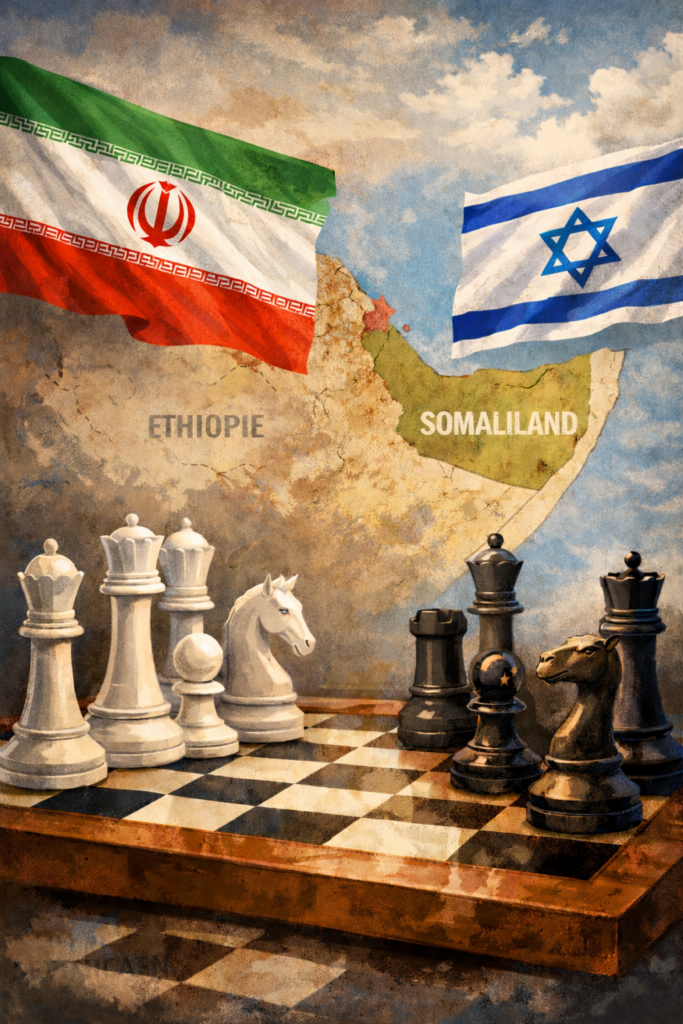
Hagi’s allegations add another issue to the growing dispute involving Somalia, Somaliland, Israel and the UAE. Whether the Somali presidency responds or further evidence emerges could shape the debate over the claims.
The ambassador’s remarks bring together two sensitive issues: Somalia’s dispute with the UAE and Somaliland’s growing relationship with Israel. His claim that Hassan Sheikh previously held talks with Israel is politically significant, but it remains unverified because no supporting evidence has been presented.
From Somaliland’s perspective, the comments reinforce its argument that its foreign relations are driven by its own interests and should not be controlled by Mogadishu. For Somalia’s federal government, however, Somaliland’s relations with Israel and the UAE raise questions about national sovereignty and who has the authority to conduct foreign policy.
The UAE’s strategic and economic interests in Berbera Port add another regional dimension to the dispute. At this stage, the ambassador’s allegations should be treated as claims rather than facts.
Categories: Latest News