ANKARA (SD) -Turkiye has announced plans to help rebuild Somalia’s navy, construct new naval facilities and protect the country’s coastal waters as Somalia prepares to explore its offshore oil and gas resources.
Speaking at a weekly press briefing in Ankara on Thursday, Turkish Defense Ministry spokesperson Rear Admiral Zeki Aktürk said Turkiye was putting its 10-year Defense and Economic Cooperation Agreement with Somalia into action.
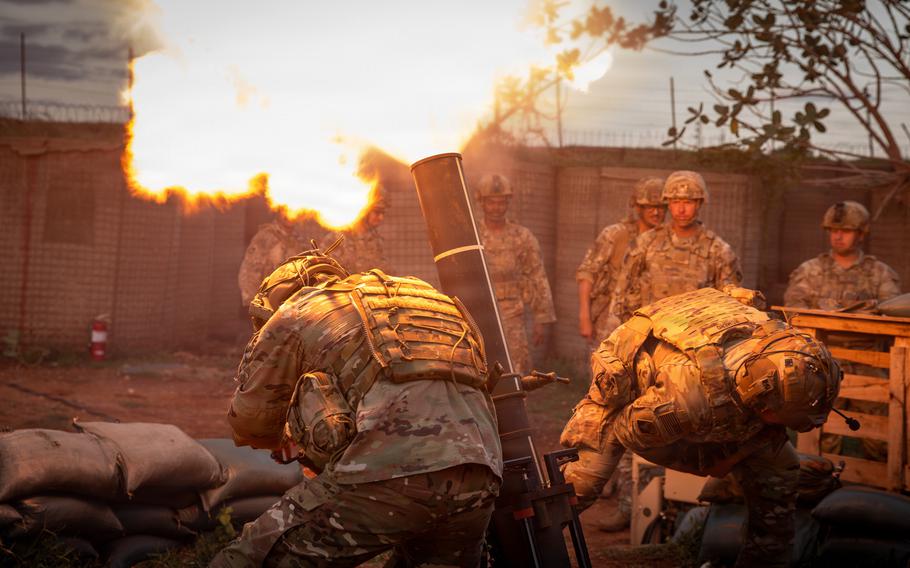
Under the agreement, Turkish forces are helping Somalia protect its waters against terrorism, piracy, smuggling and illegal fishing.
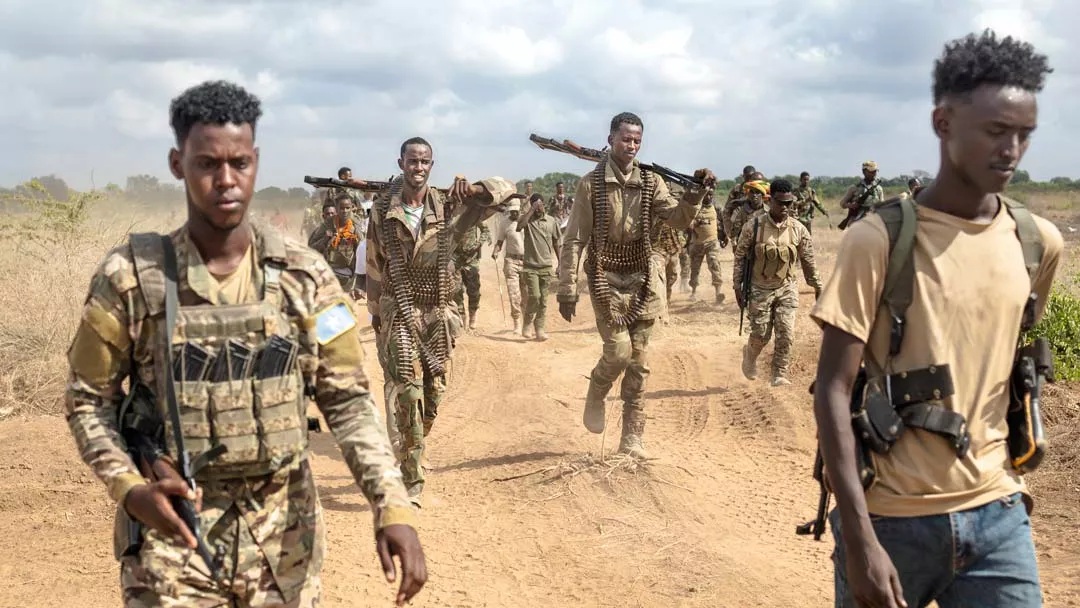
“We are supporting the restructuring of the Somali Navy and Coast Guard through training, equipment and technical assistance so they can independently protect their maritime waters,” Akturk said.
The announcement follows a ceremony in Mogadishu on November 21, attended by Somali President Hassan Sheikh Mohamud and Turkiye’s Chief of General Staff, General Selçuk Bayraktaroğlu, to launch the construction of new naval facilities.
The project includes a headquarters for the Somali Navy, a maritime operations center to monitor coastal waters and new ship docks at Turkiye’s Barbaros military camp. Officials from both countries are still working on the construction schedule and project details.
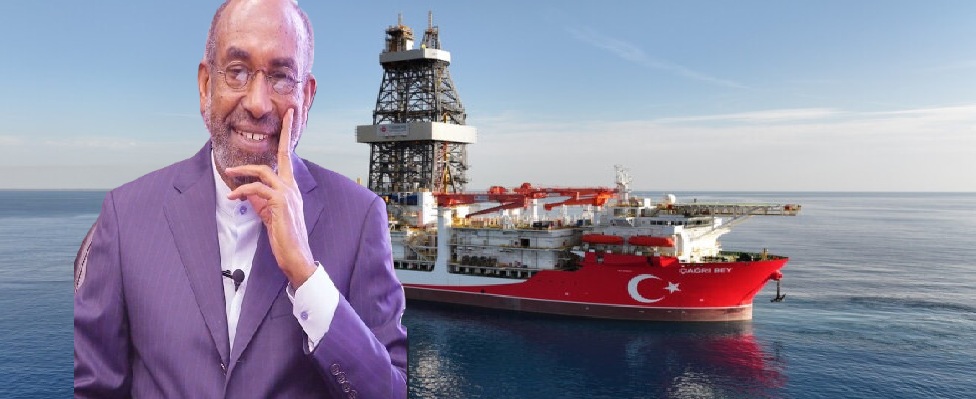
Turkiye is also providing security support for Somalia’s offshore oil and gas exploration. Turkish warships are patrolling the Somali coast, the Gulf of Aden and the Arabian Sea to support the Turkish drilling vessel Cagri Bey.
The vessel arrived in the region in April 2026 to explore for oil and natural gas at the Curad-1 well, located about 372 kilometres off Somalia’s coast.
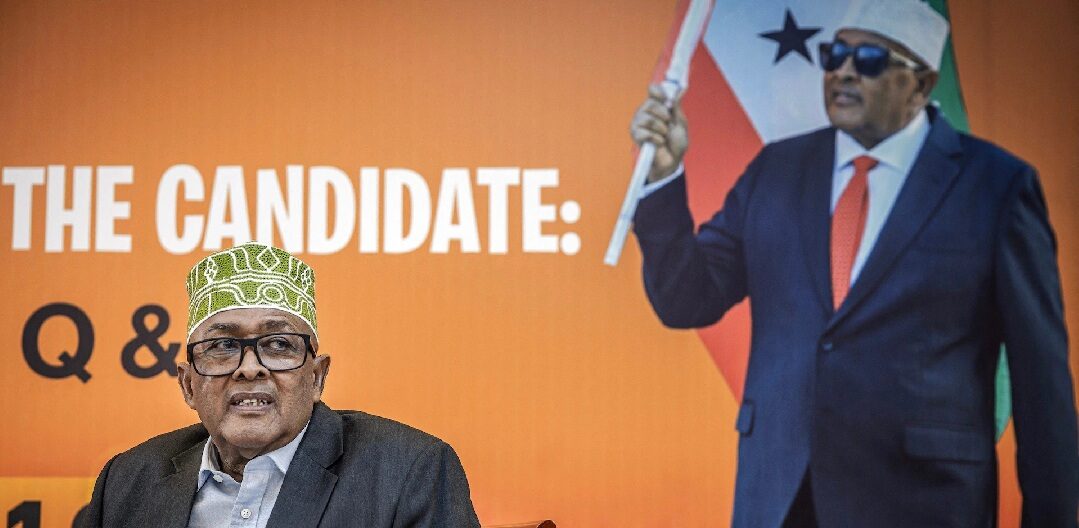
However, Turkiye’s expanding role has raised concerns among some Somali opposition lawmakers. They have questioned the lack of public information about military and oil agreements with Ankara and whether Somalia will receive a fair share of the benefits from its natural resources. Some lawmakers have also called for greater parliamentary oversight of the agreements.
Opposition figures have raised another concern: that Turkish military support could become linked to Somalia’s internal political disputes. They argue that foreign military assistance should not be used in conflicts between the federal government and regional administrations. Türkiye and the Somali government have presented their cooperation as support for national security and the fight against terrorism.
There are also concerns among regional administrations, particularly Puntland and Jubaland, over who will control and benefit from offshore resources. Critics say the federal government should consult the regional states before making decisions about oil exploration and maritime activities in waters they consider part of their jurisdictions. Some analysts warn that disagreements over these arrangements could create further tensions between Mogadishu and the regional administrations.
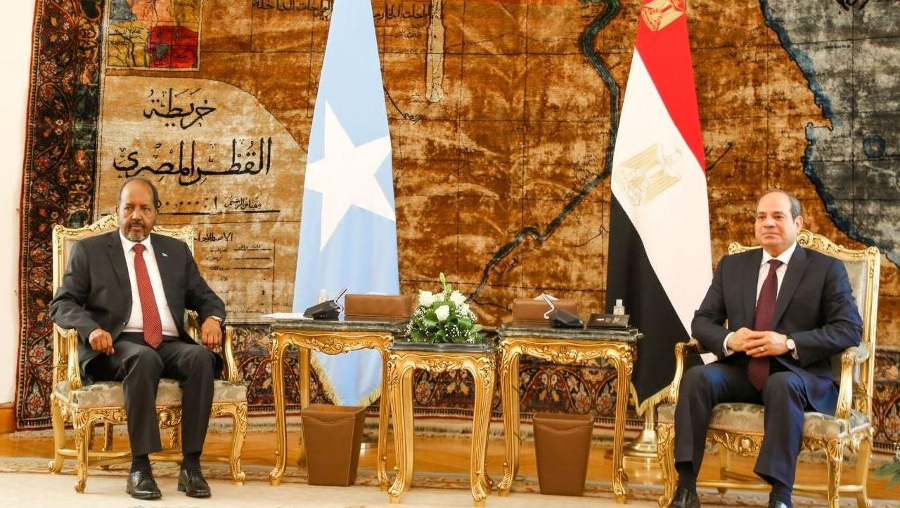
The growing Turkish presence also comes at a time of wider competition among foreign powers in the Horn of Africa and around the Red Sea. Türkiye has close security ties with Mogadishu, while other countries, including the UAE and Egypt, have their own economic and strategic interests in the region. Somalia’s location near major international shipping routes makes its coastline important to regional security and international trade.
For the Somali government, stronger naval forces could help protect the country’s long coastline, prevent illegal fishing and secure future oil and gas production. But questions remain over how the agreements will be managed, how much Somalia will benefit and whether regional authorities will be included in decisions affecting their areas.
The success of the project will therefore depend not only on building naval facilities and training Somali forces, but also on transparency, cooperation between federal and regional authorities, and clear rules governing the country’s maritime resources.
Turkey’s naval project could help Somalia protect its coastline and develop its offshore resources. However, the plan is also raising political questions inside Somalia.
The opposition wants more information about the agreements and greater parliamentary oversight. Puntland and Jubaland are concerned that Mogadishu could make decisions about maritime resources without properly consulting regional authorities.
There is also a wider regional issue. Turkiye’s growing military and economic presence gives Ankara an important role in Somalia, while other countries have their own interests in the Red Sea and Gulf of Aden.
The main question is whether this cooperation will strengthen Somalia’s national institutions and benefit the Somali people as a whole, or create further disagreements over foreign influence, political authority and control of natural resources.
Categories: Latest News