DOHA / MOGADISHU / HARGEISA – A stark diplomatic rift has surfaced between the Federal Government of Somalia and the administration of Somaliland, with both sides issuing contradictory statements on the state of their relations.
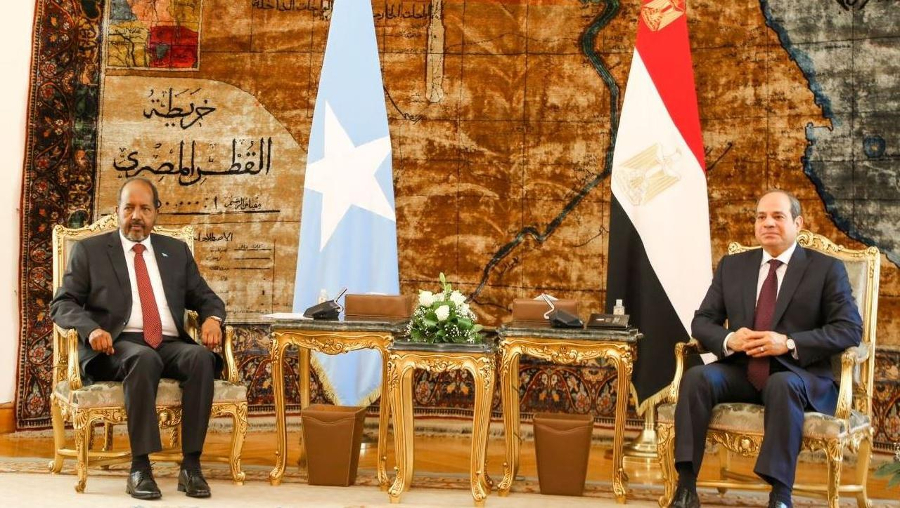
In an exclusive interview with Doha News, Somalia’s State Minister for Foreign Affairs, Ali Omar Balcad, asserted that Mogadishu maintains “direct and ongoing” communication with Hargeisa, which continues to have a “tangible influence.” He reaffirmed the FGS stance that Somaliland is an inseparable part of Somalia and expressed confidence in restarting dialogue to achieve a “lasting and serious solution.”
Somaliland responded swiftly and forcefully with an official statement from its Ministry of Political Affairs. It categorically denied any ongoing talks or relations with Somalia, stating that all dialogue had been “officially suspended” earlier that year. It accused the FGS of “interfering in Somaliland’s internal affairs” and described Mogadishu’s claims as “baseless statements” intended to create internal doubt. The statement concluded by asserting there is no authorized official to engage with Somalia on this matter, effectively declaring the process dead.
The conflicting announcements reveal a chasm as wide as ever, with no indication of formal talks resuming.
This public clash is less about communication and more about narrative warfare targeted at distinct constituencies.
By claiming an active, influential dialogue, the FGS projects an image of engagement and sovereignty. It reassures international partners (like Qatar, a noted mediator) that it is pursuing a peaceful, diplomatic track, while signalling to Somali nationalists that reunification remains the unwavering goal.
Somaliland’s fierce denial serves to reinforce its core narrative of absolute independence and sovereignty. It must publicly refute any suggestion of subordination or ongoing negotiation about its status to maintain domestic unity and the credibility of its three-decade state-building project.
The fact that the Somali minister made these comments in Doha is significant. Qatar has previously mediated between the two sides. Mogadishu’s statement could be an attempt to signal openness to Qatari re-engagement or to pressure Hargeisa by suggesting backchannel talks exist. Somaliland’s blunt rejection is a clear message to any external mediator that the previous framework is null and void unless it starts from the premise of recognition.
Somaliland’s language marks an escalation. Declaring that no one is authorized to discuss the matter is a diplomatic dead-end. It moves beyond pausing talks to de-legitimizing the very premise of negotiation under the current terms. This hardens positions, making any future resumption of dialogue—even informal—exponentially more difficult and politically costly for Hargeisa’s leadership.
Both statements are likely driven by internal political pressures.
In Mogadishu, President Hassan Mohamud faces the immense challenge of finalizing a contentious constitution and managing federal states. Asserting authority over Somaliland is a rallying point for nationalist sentiment.
In Hargeisa, President Abdirahman Irro is navigating the fallout from recent violent unrest in the Awdal region and economic pressures. A strong, uncompromising stance against Mogadishu is a classic tool to consolidate domestic support and distract from internal challenges.
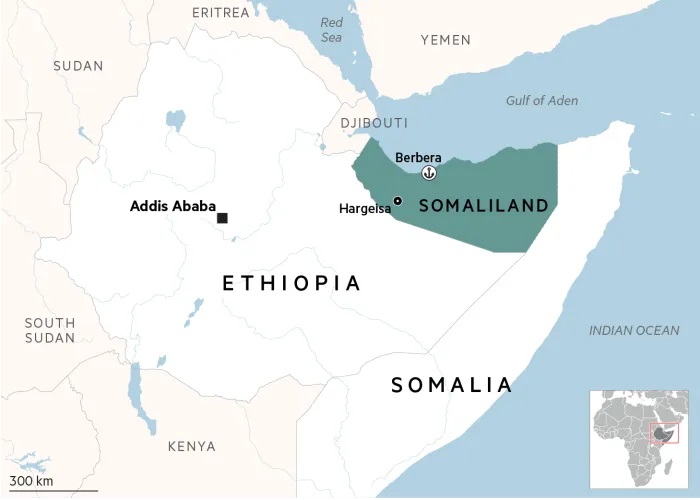
This public spat diminishes the already faint prospects for a negotiated settlement in the foreseeable future. For Somaliland, it reinforces its go-it-alone strategy, potentially pushing it to seek even more concrete security and economic partnerships with actors like Ethiopia or Taiwan as alternatives to dialogue with Mogadishu. For Somalia and its allies (like Turkey and the Arab Gulf states), it underscores the intractability of one of the Horn’s most enduring disputes.
This is not a diplomatic misunderstanding; it is a calculated, simultaneous assertion of two mutually exclusive realities. Mogadishu speaks the language of unity and an ongoing process to maintain its constitutional claim and international diplomatic momentum. Hargeisa speaks the language of finality and sovereignty to protect its de facto independence and domestic legitimacy. The gap is not narrowing; the rhetorical walls are being reinforced, making the prospect of a bridge—or even a conversation about building one—increasingly remote. The conflict has entered a new phase of overt, uncompromising narrative confrontation.
Categories: Latest News