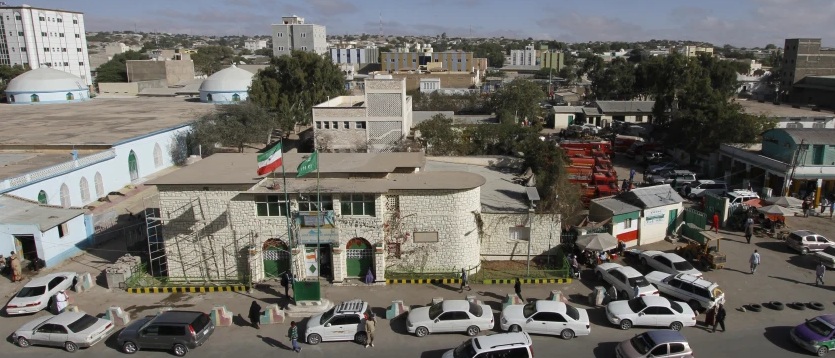
WASHINGTON (SD) – AfriNews 24 reports that the Republic of Somaliland has begun a vigorous diplomatic campaign to gain international recognition from the United States, following its recent establishment of official ties with Israel. The report highlights that Washington has become a key focus of this effort, with Somaliland partnering with well-connected firms aligned with the Republican Party to employ unconventional diplomatic strategies.
According to AfriNews 24, Somaliland has formed a strategic alliance with Dallas-based firm Nespoinet, aimed at engaging US officials and lobbying for recognition. The firm will also promote foreign investment, portraying Somaliland as a stable and strategic partner in the Horn of Africa. The report emphasises that this move is vital for strengthening Somaliland’s international standing.
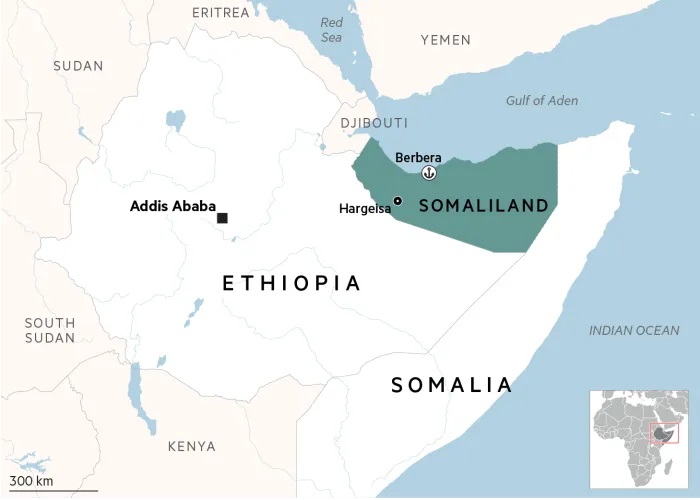
The report further notes that Somaliland’s strategic location has attracted significant interest from global and regional powers, such as the United Arab Emirates, in this diplomatic contest.
Israel’s recognition of Somaliland adds a sensitive dimension to this effort, with implications for strategic waterways in the Horn of Africa and the Red Sea. UAE investment in Berbera exemplifies the region’s economic importance and heightened international interest in Somaliland.
The Washington effort has become a battleground for global competition involving major powers, campaign networks, and strategic interests. The report suggests this reflects underlying political tensions, regional influence struggles, and the role of Middle Eastern allies in Horn of Africa politics.
AfriNews 24 highlights that Somaliland’s leadership remains confident that these diplomatic pursuits and efforts to attract foreign investors will help secure international recognition and validate Somaliland’s independence.
This diplomatic outreach marks a deliberate escalation of Somaliland’s long-standing quest for recognition. Positioning Washington as the central stage indicates the leadership views the US as the most influential actor capable of catalysing broader international acceptance. Employing a US-based lobbying firm signals a shift from traditional diplomatic efforts to a more organised and professional advocacy approach embedded within American political networks.
The reference to engagement with Israel introduces an added geopolitical layer. If formalised, an alliance with Israel could impact regional diplomatic dynamics and link Somaliland’s recognition campaign to US domestic politics, especially among groups with pro-Israel stances. This appears to be a calculated move to align Somaliland’s case with wider US strategic interests in the Red Sea and Horn of Africa rather than solely framing it as a matter of self-determination.
The mention of UAE involvement underscores the economic and strategic aspects of the campaign. Emirati investment in Berbera has already elevated Somaliland’s regional profile, especially regarding Red Sea trade routes and Gulf influence in East Africa. Emphasising stability and strategic geography enhances Somaliland’s image as a dependable partner in maritime security and trade logistics—key interests for both Gulf nations and Western powers.
Finally, the leadership’s confidence projection serves both external and internal purposes. On the international stage, it demonstrates resolve and preparedness for statehood. Domestically, it bolsters legitimacy by framing diplomatic activity and foreign investment as tangible steps towards sovereignty.
Categories: Latest News