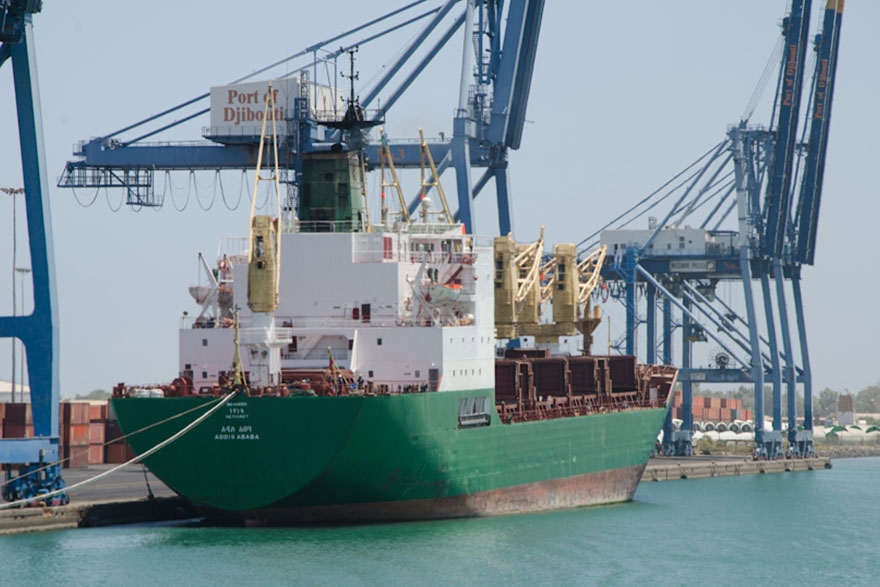
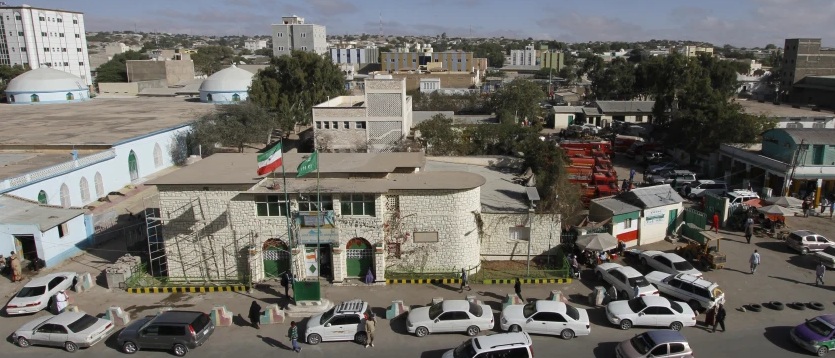
HARGEISA (SD) – Members of the Somaliland Council of Ministers, speaking to the media, stated that Turkey and Djibouti oppose Somaliland’s recognition due to specific economic interests. They specifically called on the Somali government to stay out of Somaliland’s affairs.
They noted that Turkey was the first country in the Islamic world to recognize Israel, but it has become particularly upset over Somaliland’s recognition due to economic agreements it signed with the Somali government, hoping to access Somaliland’s resources through those deals.
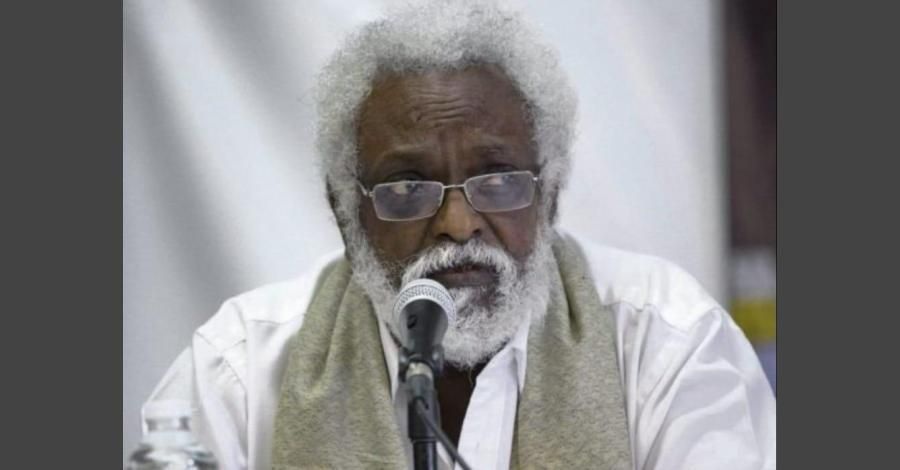
Somaliland’s Minister of Presidential Affairs, Khadar Hussein Abdi, stated that Somaliland has tried to improve relations with Djibouti, but the Djiboutian government has taken steps showing “malice” and is in direct conflict with Somaliland’s recognition. He mentioned that the people of Djibouti are good people, but the current administration believes Somaliland should be destroyed.
On the other hand, Somaliland’s Foreign Minister, Abdirahman Dahir Aaden, said: “If Djibouti truly loved Somali unity, it would have done so in 1977. At that time, they had the opportunity to join Somalia. Seeing the difficulties involved, they refused to join. If they truly loved Somali nationalism, they would have joined.”
They also strongly criticized the current leadership of the Somali government and some former leaders who previously led Somalia, stating that plans to dismantle Somaliland are orchestrated from Mogadishu, while some federal member states are not involved and have not caused any harm to Somaliland.
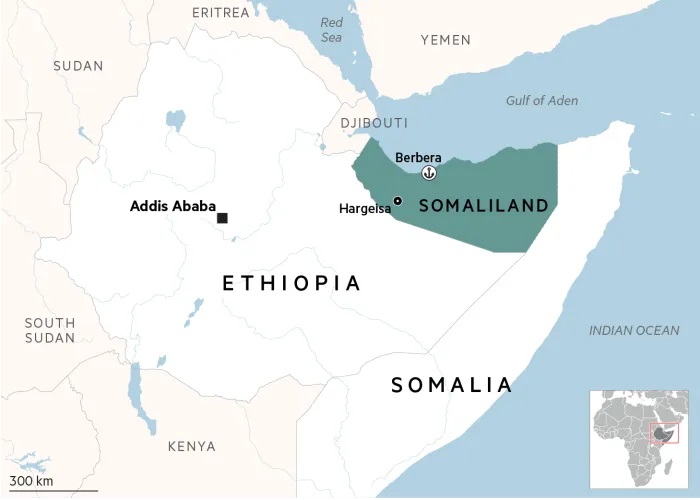
They added that Somaliland controls the Bab al-Mandab Strait and that no decision or agreement concerning it will be made without its participation. They warned the Somali government against signing agreements with foreign countries regarding Somaliland’s resources.
Israel, a Western-aligned state, became the first country to recognize Somaliland. This has triggered the Somali government, which views it as a violation of its territorial integrity.
Countries that have particularly opposed Somaliland’s recognition include Djibouti, Turkey, and the Kingdom of Saudi Arabia—nations with financial and strategic ties to the Somali government who do not see their interests aligned with Somaliland’s recognition.
The Foreign Minister’s comments about Djibouti’s 1977 independence are a deep cut, meant to invalidate Djibouti’s current pro-unity stance. You chose separation for your own interests; you cannot deny us the same choice. This is a powerful moral and historical counter-argument that puts Djibouti on the defensive regarding its own national narrative.
Explicitly claiming control over the Bab al-Mandab Strait is a bold and power move. It announces to the world that Somaliland is not just a piece of land but the gatekeeper of a global chokepoint. This statement serves as both a deterrent (warning that deals made without Somaliland are void) and an invitation (highlighting its value to potential partners who value maritime security). It forces global powers to calculate Somaliland’s role in their Red Sea strategies.
Somaliland’s response is a declaration of diplomatic and strategic independence. It moves from a defensive posture (“we have a right to exist”) to an offensive, confident articulation of its geopolitical value and the hypocrisy of its detractors. By wielding history, geography, and accusations of economic opportunism, Hargeisa is skillfully attempting to dismantle the philosophical and practical coalition against it. This marks Somaliland’s transition into a strategic actor capable of framing the regional debate on its own terms, not just reacting to Mogadishu’s agenda. The challenge for Somalia and its allies is to counter this narrative without appearing venal or historically ignorant, a much tougher task than simply repeating the mantra of territorial integrity.
Categories: Latest News