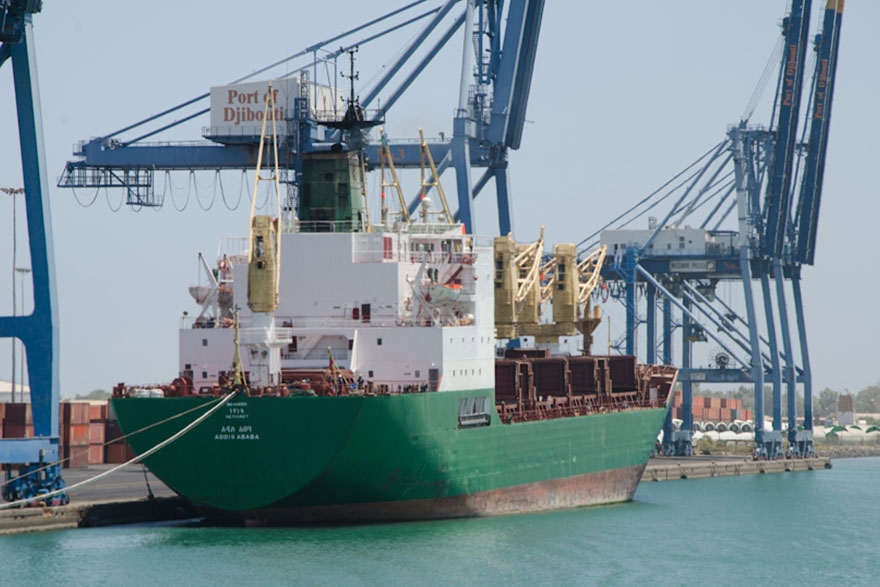
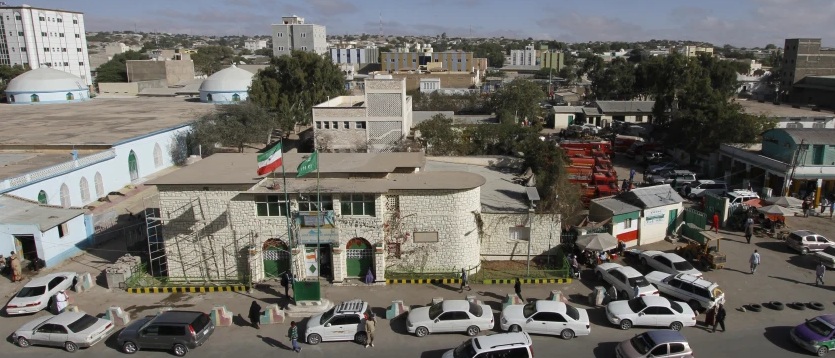
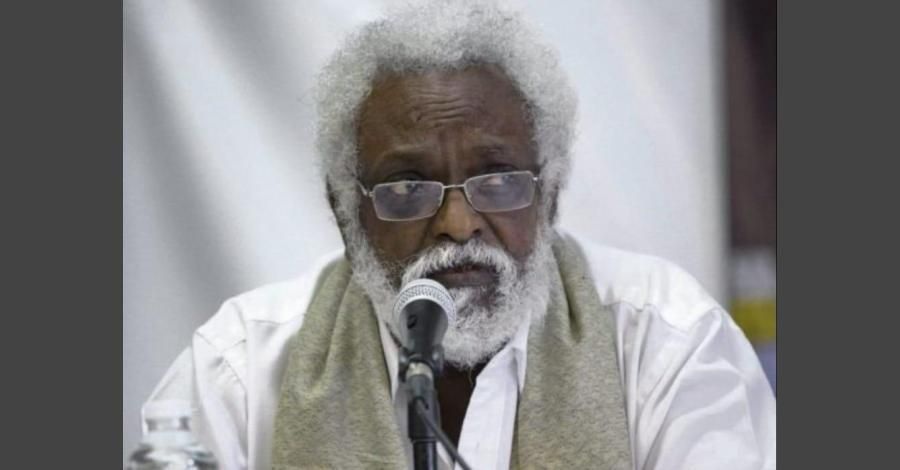
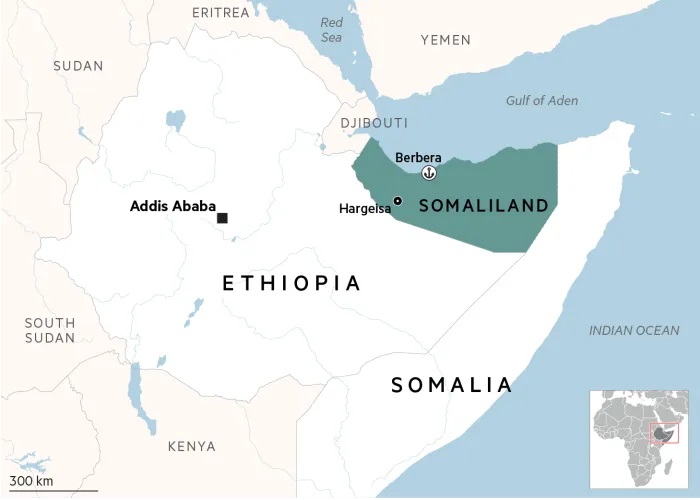
HARGEISA (SD) – The Government of Somaliland has announced that it has summoned its diplomatic representative to the Republic of Djibouti, Abdullahi Mohamed D. Ukuse, for consultations, following Djibouti’s strong condemnation of the recognition of Somaliland. A statement from the Ministry of Foreign Affairs and International Cooperation of Somaliland indicated that the summoning of its envoy is part of a reorganization underway in Somaliland’s diplomacy.
“The Ministry of Foreign Affairs and International Cooperation of the Republic of Somaliland announces that it has summoned its envoy to the Republic of Djibouti to Hargeisa for consultations. This is part of ongoing diplomatic engagements based on established diplomatic protocol,” the statement read.
This step follows the UN Security Council session where the Somaliland issue was debated, during which Djibouti expressed firm opposition to Israel’s recent recognition of Somaliland.
When questioned by the media about steps to be taken regarding countries with offices in Hargeisa that have strongly opposed Somaliland’s recognition, Somaliland’s Presidential Affairs Minister, Khadar Hussein Abdi, stated that the matter will be addressed through diplomatic channels.
Other countries with offices in Hargeisa that have strongly opposed the recognition of Somaliland include Turkey, which Somaliland recently accused of being part of a plot to create unrest within Somaliland.
Although Somaliland has summoned its envoy to Djibouti for consultations, the Djiboutian envoy stationed in Hargeisa has also been sent home.
Somaliland’s decision to summon its envoy from Djibouti is a calculated diplomatic reprimand, not a severance of ties. It serves as a public warning to Djibouti and, by extension, other regional critics like Turkey, opposition to its recognition carries a cost and will impact bilateral relations. It is a move to establish that Hargeisa is no longer a supplicant but a sovereign actor capable of reciprocal diplomatic actions.
Framing the summons as part of a “reorganization” of its diplomacy is strategic. It suggests that Somaliland is recalibrating its entire foreign policy network in light of its new status post-Israeli recognition. This narrative positions the government as proactive, strategic, and entering a new phase where it can be more selective and demanding in its international engagements, moving from seeking mere presence to managing relationships as a recognized entity.
The action is deliberately measured. By summoning its own envoy and sending Djibouti’s envoy from Hargeisa, Somaliland displays resolve while leaving the door open for de-escalation. It creates diplomatic friction and registers a protest without triggering a complete rupture that could harm Somaliland’s economic interests or provoke a more united regional front against it.
The specific mention of Turkey is significant. Turkey maintains a substantial aid and military training presence in Somalia and has a consulate in Hargeisa. By publicly accusing Turkey of plotting unrest and grouping it with critics, Somaliland is testing Ankara’s dual-track policy. It forces Turkey to choose between its deep investment in Mogadishu and its pragmatic engagement with Hargeisa. This high-stakes gamble could backfire if Turkey decides to fully align with Mogadishu.
Djibouti is not just any neighbour; it hosts major foreign military bases. A serious deterioration with Djibouti could have significant political consequences for Somaliland. This move indicates that Somaliland’s leadership is confident enough in its Israeli partnership (and potentially other undisclosed backing) to risk tension with a non-critical nation, a sign of newfound, if risky, assertiveness.
For Djibouti, which chairs IGAD and values regional stability, a tit-for-tat expulsion might escalate unnecessarily. Somaliland’s unilateral action allows it to claim a diplomatic victory (showing it can take independent action) while the ball is now in Djibouti’s court, putting pressure on its smaller neighbour to define its next move carefully.
Somaliland’s summons is a bold signal of its transformed self-perception following Israeli recognition. It is an attempt to transition from a diplomatic entity seeking acceptance to a sovereign state managing disputes. The action is a high-pressure tactic aimed at deterring further regional condemnation and forcing neighbours to engage with Hargeisa on its new terms. The real test will be whether this assertiveness leads to further isolation or compels regional players to recalibrate their approaches, potentially leading to a fragmented, pragmatic engagement with Somaliland despite official positions supporting Mogadishu. The response (or lack thereof) from Djibouti and Turkey in the coming weeks will be highly revealing.
Categories: Latest News