MOGADISHU (SD) – The United Arab Emirates on Thursday formally commenced a complete withdrawal from the capital city of Mogadishu, following the collapse of the military and security agreements between the UAE and the Federal Government of Somalia.
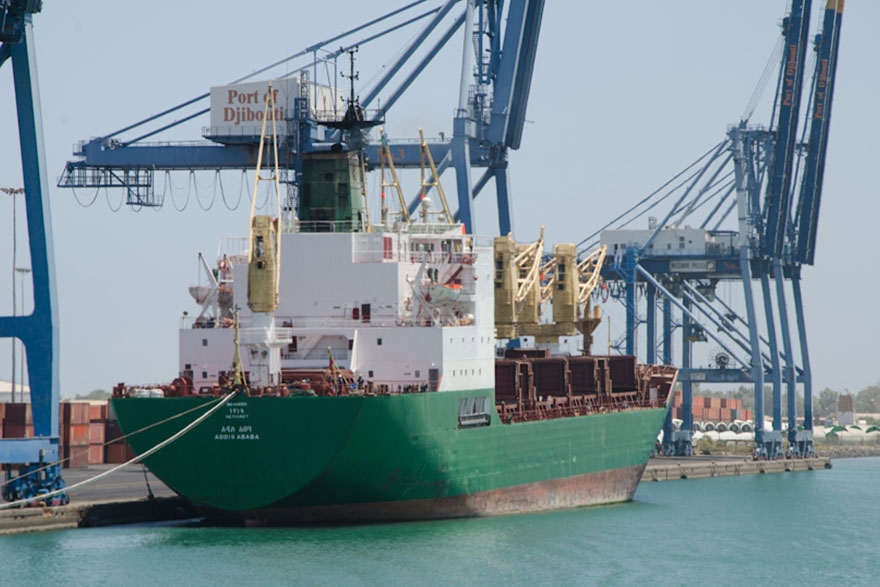
At least four aircraft belonging to the Ethiopian government, starting airlifted from Aden Adde International Airport. The flights transported military equipment and UAE personnel stationed in the capital. The aircraft divided into two groups evacuated embassy security personnel and foreign technical and security staff working in Mogadishu, and the other two transport military equipment that the UAE had previously brought into the country.
The UAE yesterday flew military equipment out of Somalia via Mogadishu, as there is no direct flight route between Kismayo and Dubai, necessitating transport first to Mogadishu and then to the UAE. The Gulf nation also offloaded equipment via cargo ship from the city of Bosaso.
Reports also indicate that the FGS and the UAE disagreed on the evacuation procedure, with the Federal Government insisting on inspecting the departing equipment and personnel in accordance with national laws and security protocols. However, mediation efforts involving countries like Ethiopia facilitated an agreement on the process for removing the UAE’s military assets from Somalia. Sources suggest Somalia was cautious, fearing the equipment might be transferred to Somaliland.
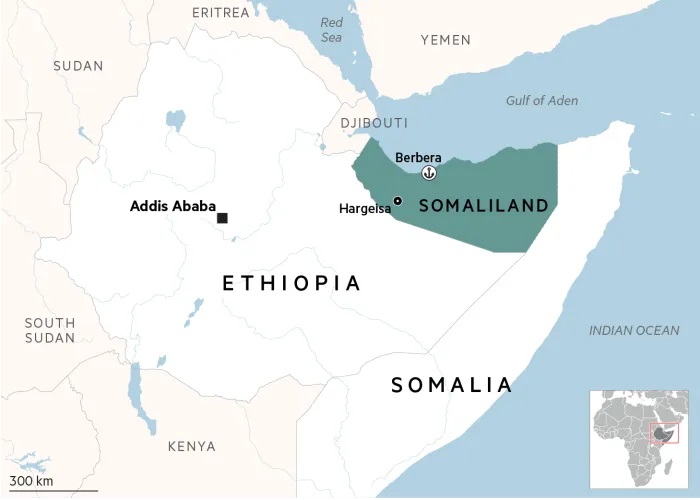
Somaliland, which has recently been intensively upgrading the quality and equipment of its security forces, would benefit frim recieving the UAE transferred the equipment to it, and would significantly affect the military balance of power with the Somali state.
This step demonstrates that the United Arab Emirates has fully withdrawn from Mogadishu, thereby concluding its military and security presence in the capital following the Federal Government of Somalia’s decision to annul the previous agreements between the two sides. This withdrawal is considered one of the most significant political and security shifts in Somalia-UAE relations in recent months.
The UAE’s withdrawal is a calculated disengagement, not a rout. By removing its personnel and assets, the UAE is insulating itself from potential security risks and legal complications following the diplomatic rupture. It signals that the UAE has written off its partnership with the FGS under the current administration and is cutting its losses, refocusing its Horn of Africa strategy on its more reliable partners: Somaliland, and Ethiopia.
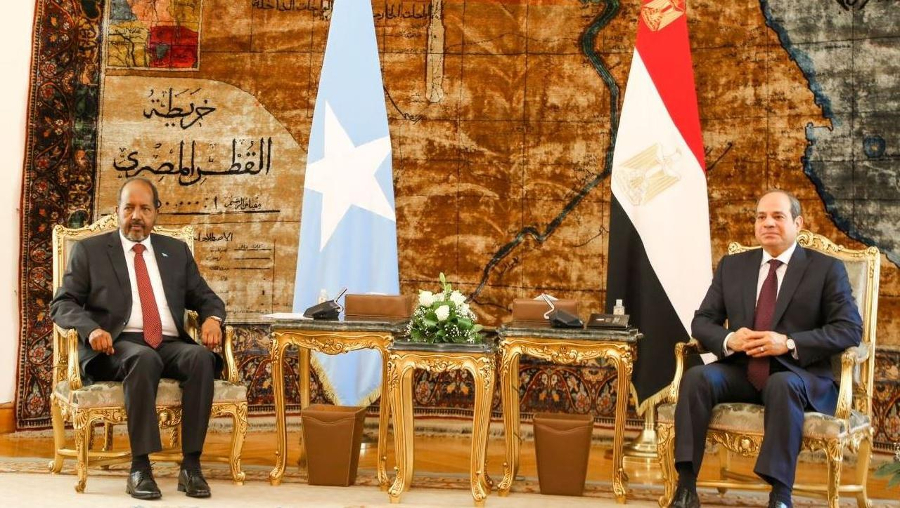
Somaliland’s military modernization and the potential transfer of equipment is viable and a strategic possibility. If the UAE redirects this hardware to Somaliland, it would cause a dramatic shift in the military equilibrium on the ground, emboldening Hargeisa and potentially deterring any Somali military adventurism. This possibility will be a major point of anxiety for Mogadishu and a key demand in its talks with allies like Turkey and Egypt.
The UAE’s withdrawal is a pivotal moment that crystallizes the new regional order. It proves that Mogadishu’s attempt to punish the UAE by annulling contracts has backfired, resulting in the loss of a major partner without halting UAE activities in breakaway regions. Somalia is left weaker, more isolated, and surrounded by a tightening ring of states (UAE, Ethiopia, Somaliland) with aligned interests against its central authority. The withdrawal is not an end to UAE involvement in the Horn, but a strategic repositioning to support Somaliland’s sovereignty project from outside Somalia’s dysfunctional politics.
For President Hassan Sheikh, this is a stark demonstration that hardline sovereignty assertions have tangible costs. The challenge now is whether the remaining coalition of Turkey, Egypt, and Qatar can provide the resources and strategic depth to prevent a complete unraveling of the Federal Government’s authority in the face of a now openly hostile and empowered separatist north.
Categories: Latest News