ANKARA (SD) – The Turkish government has officially announced that exploratory drilling for oil and gas off Somalia’s coast is scheduled to begin in 2026. This decision follows the completion of an advanced 3D seismic survey in Somali waters, which yielded highly encouraging results.
Turkey’s Minister of Energy and Natural Resources, Alparslan Bayraktar, stated that data collected from three offshore areas—each exceeding 5,000 km²—reveal a “major opportunity,” indicating Somalia possesses extensive hydrocarbon reserves. He confirmed that the formal announcement of the full findings will be made in January of the coming year.
Minister Bayraktar also acknowledged Somalia’s interest in exploring onshore oil reserves but cited significant challenges related to security and infrastructure. “More roads and enhanced security are needed to reach potential onshore drilling sites,” he said, adding that both nations are collaborating to find solutions.
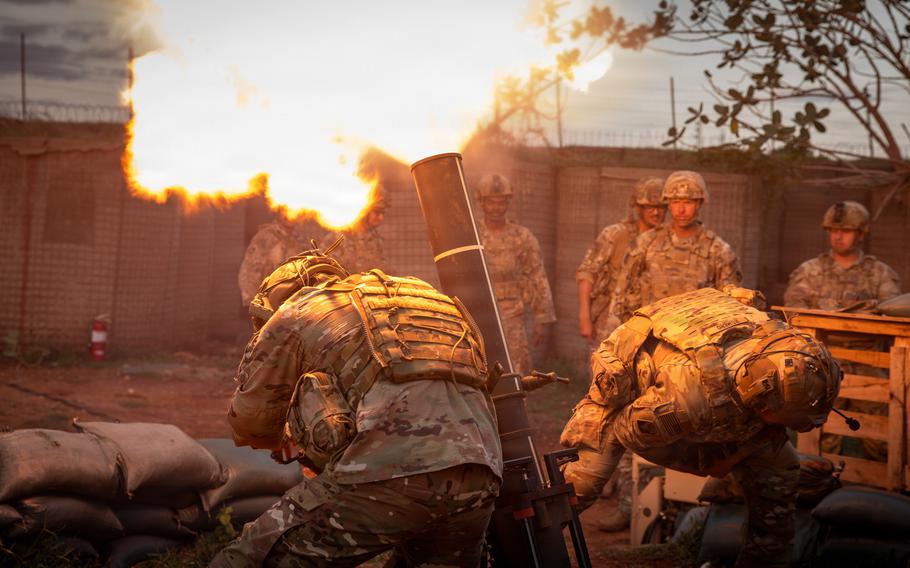
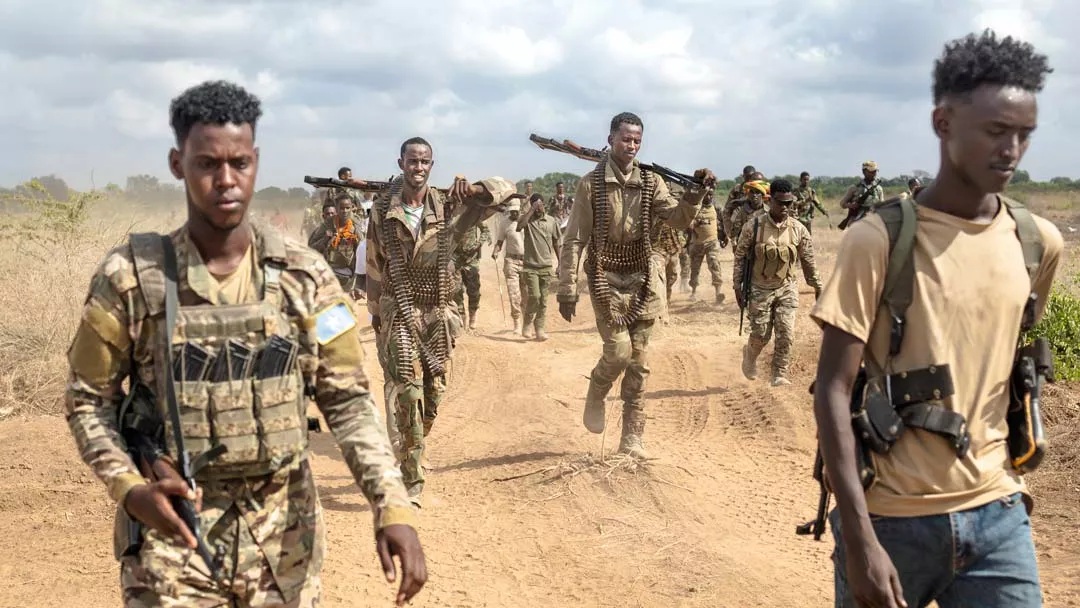
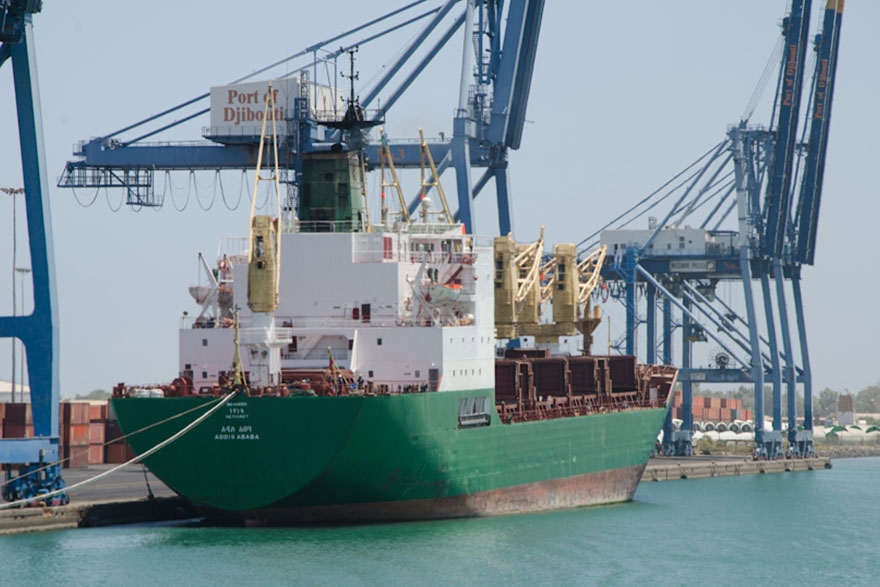
The Somali government is reportedly conducting robust security operations in Mogadishu, Afgooye, Marka, and along the coast to secure the project areas. Concurrently, Turkey is actively constructing vital roads and infrastructure, having already completed key port projects in Sabiib, Caanoole, and Awdhiigle, as well as the Türkiye Recep Tayyip Erdoğan Hospital (formerly Erdogan Hospital).
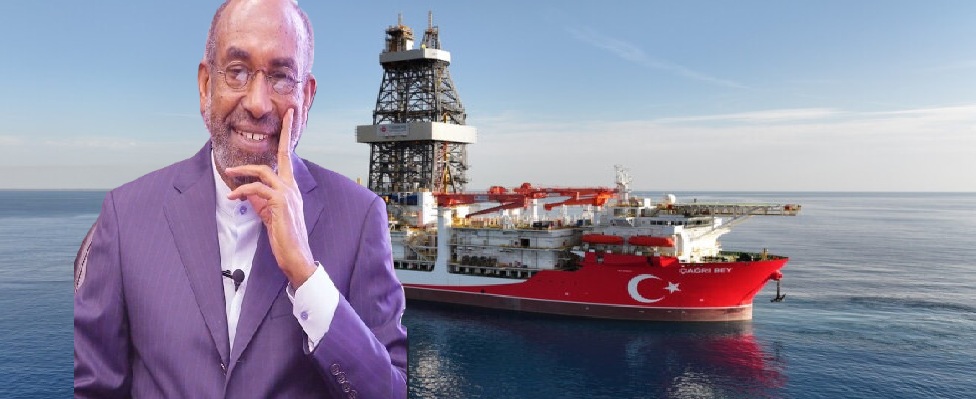
In October of last year, Turkey dispatched its advanced research vessel, the Oruç Reis, to perform an in-depth 3D seismic survey in preparation for the planned 2026 offshore drilling, which is expected to occur at depths of around 3,000 meters.
As a key security and development partner to Somalia since 2011, Turkey is positioning itself to play a central role in shaping the country’s emerging energy economy.
This announcement marks a pivotal moment for Somalia, potentially transforming it from an aid-dependent nation into a future hydrocarbon player. For Turkey, it represents the culmination of over a decade of deepening political, military, and economic investment in Somalia, moving beyond aid and security to secure a long-term strategic and resource-based partnership.
The positive seismic results lend concrete credibility to long-held theories about Somalia’s offshore energy wealth. Successful exploitation could provide the Federal Government of Somalia (FGS) with a transformative revenue stream, drastically altering its fiscal independence and capacity for state-building.
The plan’s feasibility hinges entirely on security—both maritime and onshore. The mention of ongoing military operations by Somalia underscores that the project is a high-value target for groups like Al-Shabaab. Turkey’s ability (and willingness) to provide direct security for the offshore operations, likely via its naval presence, will be critical. Onshore, building roads in insecure areas is a dual-purpose strategy for both development and military mobility.
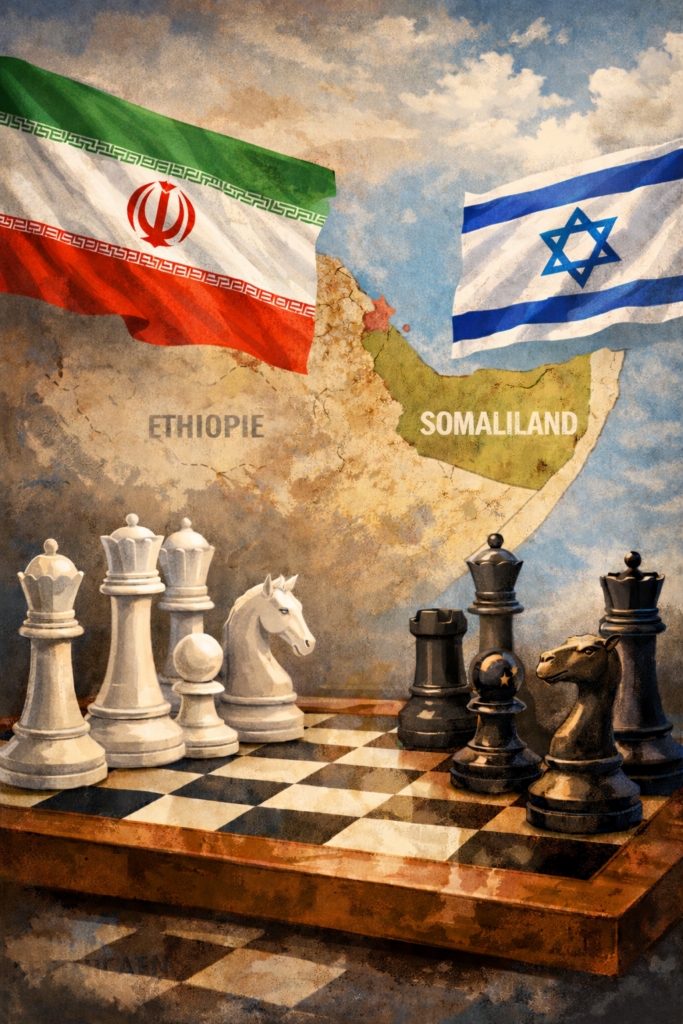
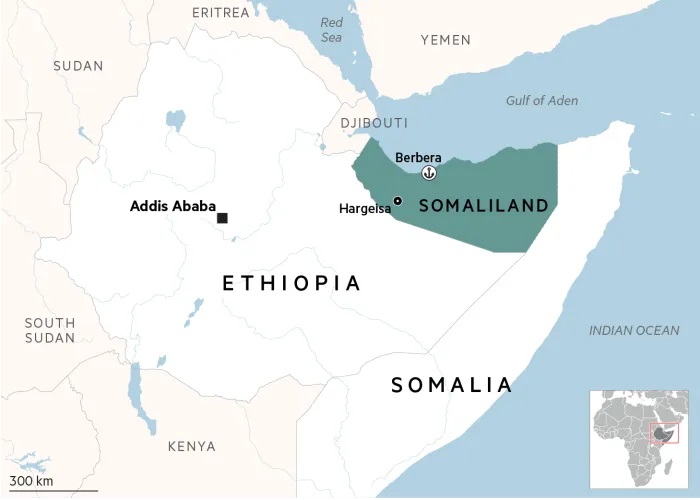
Turkey’s preeminent role in Somalia’s nascent energy sector solidifies its status as the most influential external power in the country. This could create friction with other Gulf and regional actors with interests in the Horn of Africa. Furthermore, it complicates the maritime boundary dispute with Somaliland, as any major discovery could intensify sovereignty claims.
The prospect of oil wealth presents a monumental test for Somalia’s fragile institutions. Without transparent legal frameworks, robust revenue-sharing agreements between the FGS and federal member states, and strong anti-corruption measures, this opportunity risks exacerbating existing political tensions and could succumb to the infamous “resource curse.”
Turkey’s 2026 drilling plan is not just an energy project; it is a strategic bet on Somalia’s future. Its success depends on a fragile chain of prerequisites: sustained security, political stability in Mogadishu, resolution of federal disputes, and navigating complex regional rivalries. If these align, it could redefine Somalia’s destiny. If they falter, the project could become a source of greater instability, illustrating the high-stakes nature of frontier energy development in a conflict-prone state.
Categories: Latest News