WASHINGTON (SD) – The Deputy Commander of the U.S. Forces for Africa (AFRICOM), General John Brennan, has officially confirmed that the leader of ISIS in Somalia, Abdulkadir Mumin, is still based in Somalia.
In an interview with FOX News, Brennan stated that Mumin leads and manages ISIS operations within Somalia and directs terrorist attacks internationally, targeting countries in the Far East, Europe, and America.
General Brennan described Abdulqadir Mumin as a “global terrorist threat” and said he continues to plan domestic and international attacks while hiding in the rugged terrain of the Cal Miskaad area.
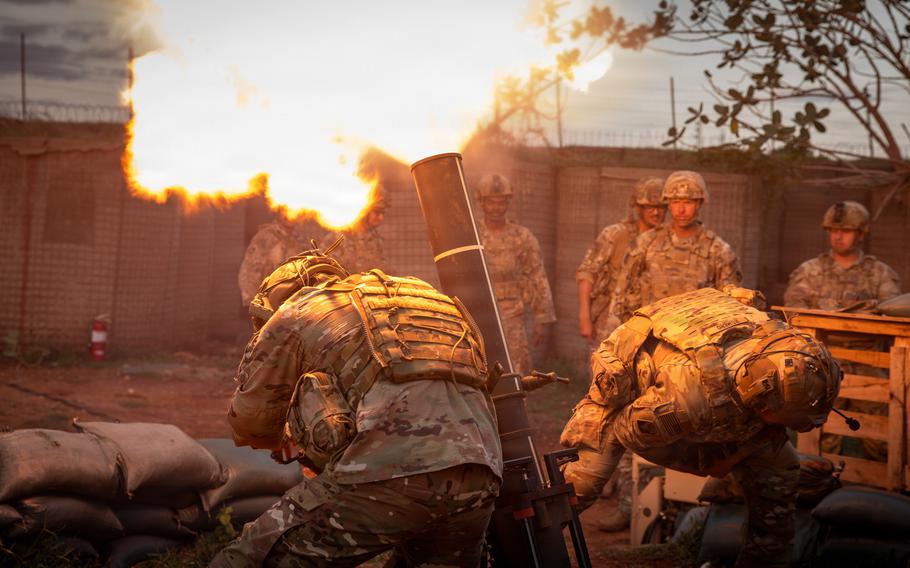
He also mentioned that the U.S. government has increased airstrikes and military operations against terrorist groups in Somalia to counter potential security threats in the future.
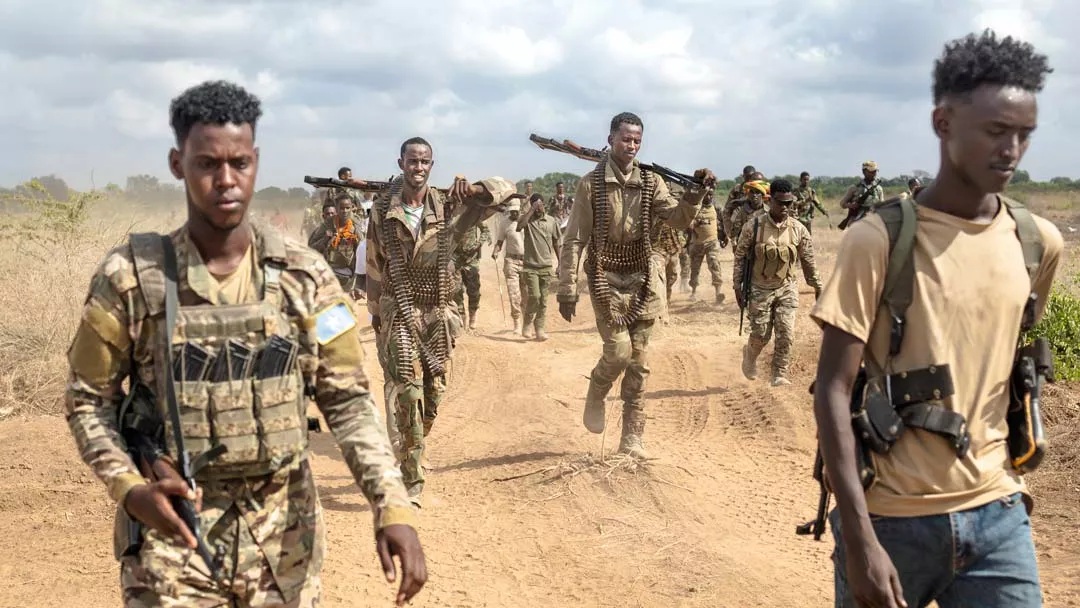
Meanwhile, the Puntland forces, which receive support from the U.S., had previously claimed they had recaptured most of the Cal Miskaad Mountains and inflicted a significant blow to ISIS, aided by airstrikes and intelligence.
The Puntland administration also stated that Abdulkadir Mumin had fled the Cal Miskaad area since the start of Operation “Hillac” (Lightning), which targeted ISIS militants.
These reports come at a time when Puntland recently announced that most of its forces had been withdrawn from the Cal Miskaad mountains, after declaring that ISIS had been largely eliminated, apart from a small number of remnants still holding out.
The General’s report highlights a notable discrepancy in the assessment of the threat posed by ISIS-Somalia between the United States and the regional Puntland administration.
AFRICOM’s emphasis on a continuing high-level threat justifies an ongoing and potentially expanding U.S. military presence and intervention in Somalia (e.g., airstrikes, special forces operations).
Puntland’s claims of success serve to strengthen its domestic legitimacy, demonstrate the effectiveness of its security forces (and by extension, its governance), and possibly position itself favourably for political negotiations or resource allocation from the Federal Government and international partners.
Brennan’s statement explicitly links the local ISIS cell to global attack planning, elevating its significance in U.S. counterterrorism strategy. This frames the group not just as a local Somali insurgency problem but as a part of a transnational terrorist network.
The situation underscores the complexity of the fight in Somalia, involving a Federal Government, regional states like Puntland with their own agendas and forces, international partners like the U.S., and multiple jihadist groups (Al-Shabaab and ISIS-Somalia).
This revelation is not merely about the location of a terrorist leader. It exposes a clash of narratives between a global power and a regional actor over the status of a shared enemy. It suggests that while tactical gains may have been achieved, the strategic threat from ISIS-Somalia, particularly its leadership’s survival and international links, remains a serious concern for the United States.
Categories: Latest News