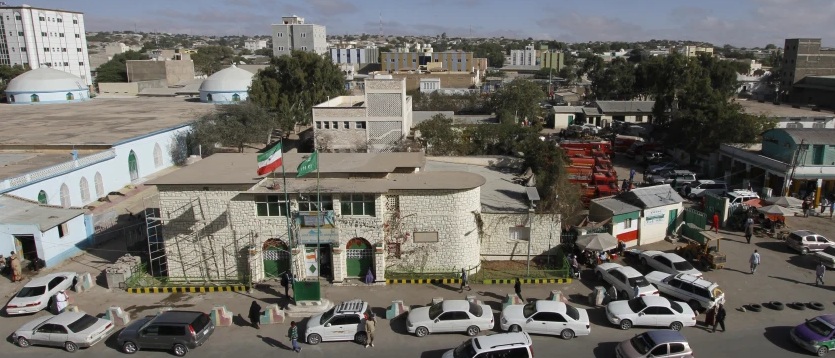
MOGADISHU (SD) – The joint session of the two Houses of the Federal Parliament of Somalia was adjourned amidst uproar and chaos on the third consecutive day. The Speaker of Parliament, who brought a large number of troops to the Parliament building today, failed to initiate a debate on the constitutional amendments, on which an agreement has not yet been reached.
Strong shouting and commotion overwhelmed the session after opposition MPs openly opposed the constitutional amendments. The Speaker of Parliament insisted on beginning the debate on the controversial clauses, which led to verbal arguments and physical scuffles.
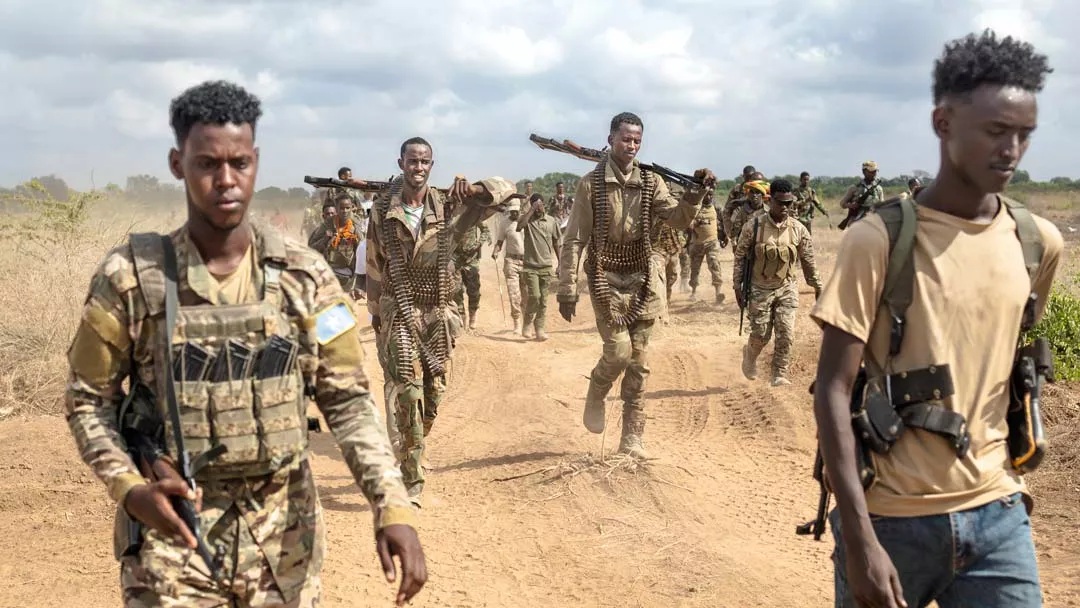
Security forces, including police, were brought into Parliament, and some MPs were reportedly expelled. Additionally, non-MPs were seen in the chamber’s galleries to fill the quorum, as many MPs, according to opposition MPs, had boycotted the session.
MP Abdirahman Abdishakur was seen in footage circulated on social media being confronted by security forces inside Parliament. The press was banned from inside the chamber, and the internet was also cut off.
“What is happening is wrong, nothing is right, and we are not satisfied with the way the Constitution is being manipulated,” said some MPs inside Parliament, causing a commotion.
The two Houses of the Federal Parliament of Somalia had tried for three consecutive days to hold an official session to debate constitutional matters, specifically the amendments and completion of Chapters 5 through 9, but all these sessions failed due to shouting and chaos.
The Speaker of Parliament wanted to conclude the debate and ratify the constitutional amendments on Monday, but this was not possible. Members of both Houses were previously instructed to attend the sessions, except for several MPs and senators who were banned from participating—bans resulting from the previous sessions that ended in chaos.
These events depict a profound political crisis and institutional breakdown at the heart of Somalia’s government, centred on the highly contentious process of amending the provisional constitution.
The central conflict is the attempt by the parliamentary leadership (aligned with the executive branch) to push through major constitutional amendments without broad political consensus. The opposition MPs reject both the process and the content, leading to a complete deadlock.
Bringing troops into the legislative chamber is a stark symbol of the executive overreach and the use of coercion against lawmakers.
Filling the gallery with non-MPs to achieve a quorum undermines the legitimacy of the session. Banning the media and cutting the internet are classic tactics to control the narrative and prevent public scrutiny.
The events reveal a deep split not just between the government and opposition, but within the parliament itself. Bans on certain MPs from attending further polarize the political landscape.
The government’s actions severely damage the legitimacy of both the parliament and the constitutional process. It portrays governance through force and manipulation rather than dialogue and agreement.
Such a public and violent breakdown within the national assembly risks spilling over into wider political instability, protests, or even conflict, as factions harden their positions.
The failure of the session signifies the collapse of a political process and points towards a dangerous phase where constitutional disputes are settled through power plays rather than lawful debate, threatening the fragile stability of the state.
Categories: Latest News