WASHINGTON () – U.S Senator Jim Risch stated that the United States faces real security threats arising from the instability in Somalia. He strongly emphasized the importance of ensuring that counterterrorism and humanitarian aid efforts fully serve U.S. interests.
Senator Risch noted that priority must be given to combating corruption, financial waste, and the abuses committed by certain individuals who benefit from security and aid projects. He stated that the funds and support provided must be managed in a transparent and accountable manner so they do not fall into the wrong hands.
“The United States faces real security threats stemming from the chaos in Somalia. It is crucial that efforts related to counterterrorism and humanitarian aid primarily serve U.S. interests, particularly in preventing loss, corruption, and abuses by individuals,” said Senator Risch.
These remarks come at a time when there is intense debate within the United States regarding how to manage international support for Somalia and how to counter the growing security threats in the Horn of Africa region.
The United States recently suspended some of the aid it was providing to Somalia, following allegations of corruption. However, humanitarian aid was reinstated after the Somali government reclaimed food stocks previously taken from one of the aid agency’s warehouses.
The new Trump administration also halted collaboration with some aid agencies, stating that any aid provided must clearly serve the specific interests of the United States. Trump particularly criticized how Somalis, both domestically and abroad, manage aid funds.
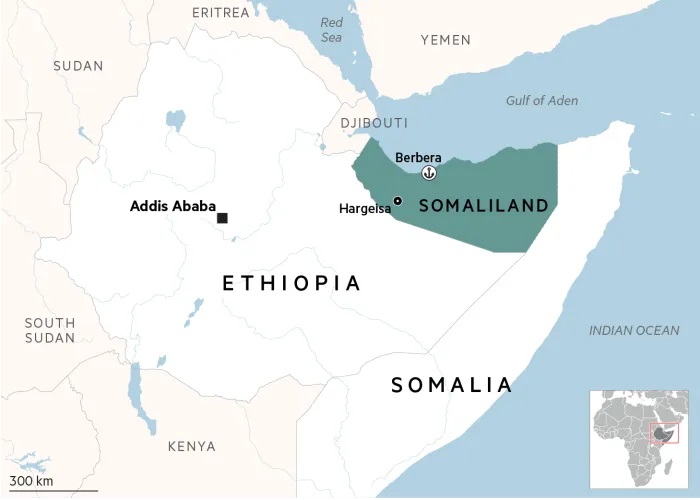
In May Senator Jim Risch, the ranking member of the Senate Foreign Relations Committee, has called on the U.S administration to engage with Somaliland, arguing that the State Department’s “one Somalia” policy does not reflect the reality on the ground.
Adding “the United States should explore all possible mutually-beneficial relationships with stable and democratic partners, like Somaliland, and not limit ourselves with outdated policy approaches and diplomatic frameworks that don’t meet today’s challenges.”
This statement by Senator Jim Risch, a senior foreign policy voice in the US Senate, represents a significant and critical shift in the American discourse on Somalia policy, highlighting deep-seated frustration and a potential strategic pivot.
The core message is a stark reprioritization. Aid and counterterrorism efforts in Somalia are no longer framed primarily as state-building or humanitarian endeavors for Somalia’s sake, but as tools that must first and foremost serve “America’s interests.” This reflects a transactional, realist turn in US foreign policy thinking under the referenced “new Trump administration.”
The most consequential part of the statement is the explicit call to “engage with Somaliland.”
This is a direct challenge to the longstanding US (and international) policy of “Somalia-centric” engagement, which insists on dealing only with the Federal Government of Somalia (FGS) in Mogadishu to preserve its sovereignty and unity.
Risch argues this policy is “outdated” and doesn’t reflect reality. He confirms that Somaliland is a “stable and democratic partner,” inferring it offers a more effective and reliable avenue for US security and governance interests in the region.
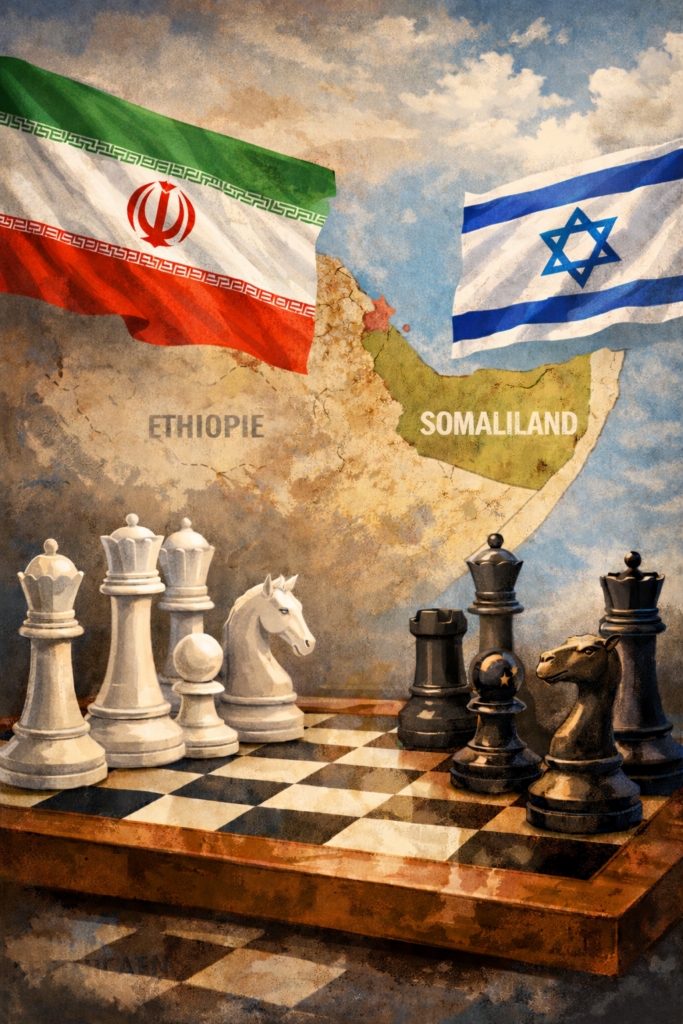
It provides an international dimension to Somaliland’s diplomatic push (analyzed in the Dubai summit report) and the recent recognition by Israel. A US senator advocating for engagement lends enormous credibility to Somaliland’s quest for recognition.
This proposal, if acted upon, would be a diplomatic earthquake, potentially encouraging other nations to follow suit, fundamentally altering the geopolitical landscape of the Horn.
Senator Risch’s statement is a clear signal of eroding US confidence in the Mogadishu-based federal project. It advocates for a more hard-nosed, interest-driven approach that could involve Tighter conditionalities on aid to the FGS. Potential bilateral security cooperation with an independent state like Somaliland, bypassing or pressuring Mogadishu. A fundamental re-evaluation of the diplomatic principle of Somali unity, moving towards the recognition of Somaliland as a separate entity.
Categories: Latest News