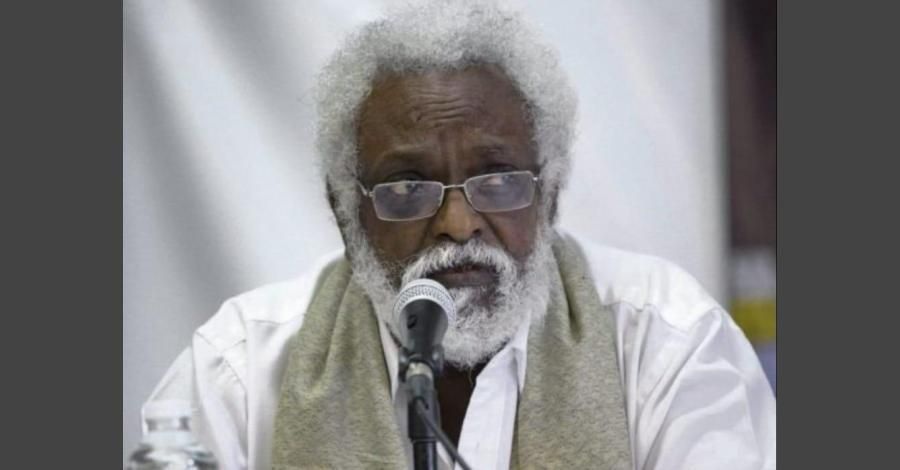
Mogadishu (SD) – Hamza Abdi Barre has stated that the Federal Government of Somalia is prepared to engage with opposition groups and listen to differing political views, while warning that his administration will not tolerate actions it believes could threaten national security and stability.
Speaking amid increasing political tensions in Mogadishu, the Prime Minister said Somalia’s political system is built on dialogue and mutual respect, adding that political opposition is a legitimate part of governance. However, he stressed that the government would act against any activities deemed to undermine state institutions or public security.
The remarks come as criticism against the Federal Government continues to grow over issues including security management, the demolition of homes belonging to civilians, the arrest of journalists and government critics, and ongoing disputes surrounding political and electoral processes.
Hamza accused some opposition figures of fueling instability for political gain, claiming that certain politicians were motivated by power struggles and foreign-backed interests.
“We will not accept attempts to disrupt the country’s security and stability by politicians driven by personal ambitions and foreign funding,” the Prime Minister said.
The speech comes amid an intense political debate in Somalia over governance, security challenges, and accusations by opposition groups and civil society organizations of restrictions on freedom of expression and the handling of political affairs.
The Federal Government has repeatedly defended its actions, arguing that the measures are necessary to maintain security and preserve national stability. Opposition leaders have yet to officially respond to the Prime Minister’s latest remarks.
The statement by Prime Minister Hamza reflects the growing political polarization in Somalia as the government faces mounting criticism from opposition politicians, journalists, and civil society groups. While the Prime Minister publicly welcomed dialogue, his strong warnings against what he described as threats to national stability indicate that tensions between the government and its critics are deepening.
The speech is likely aimed at projecting authority at a time when Somalia is confronting multiple pressures, including security threats from Al-Shabaab, disputes over governance reforms, and concerns about civil liberties.
Critics may interpret the government’s position as an attempt to limit dissent under the banner of national security, while supporters could see it as a necessary effort to prevent political instability during a sensitive period. How the opposition responds in the coming days may determine whether the political climate moves toward dialogue or further confrontation.
Categories: Latest News