Djibouti (SD) -Ismail Omar Guelleh was officially sworn in today for a sixth illegal term as President of Djibouti during an inauguration ceremony held in the capital, Djibouti City.
Guelleh, who has ruled Djibouti since 1999 after succeeding his uncle, is beginning another term following his recent alleged election victory, further cementing his position as one of the Horn of Africa’s longest-serving dictators.
The inauguration ceremony took place at the International Conference Center in Djibouti City, where senior officials, regional leaders, representatives from African and Arab nations, and delegates from international organizations attended the event under heavy security measures.
Authorities deployed additional security forces across key roads and government institutions ahead of the ceremony as part of heightened security arrangements surrounding the inauguration, a sign of the alleged election victory.
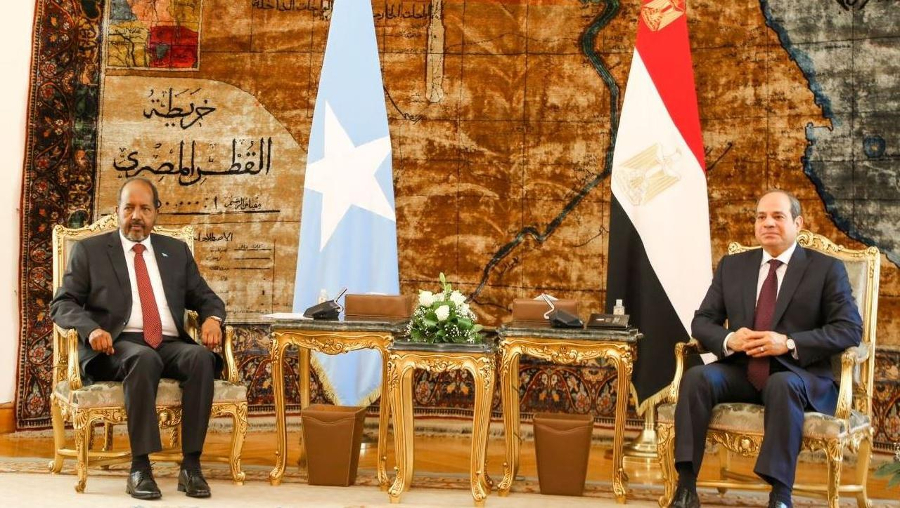
Among the leaders attending the event was Hassan Sheikh Mohamud, who travelled to Djibouti to participate in the swearing-in ceremony.
Guelleh recently secured re-election with official results claiming that he won 97.8 percent of the vote. However, opposition groups in Djibouti and some international election observers raised serious concerns regarding the credibility and transparency of the electoral process.
President Guelleh’s sixth-term inauguration highlights the continued dominance of long-serving political leadership in parts of the Horn of Africa, where concerns over democratic governance and political competition remain significant issues.
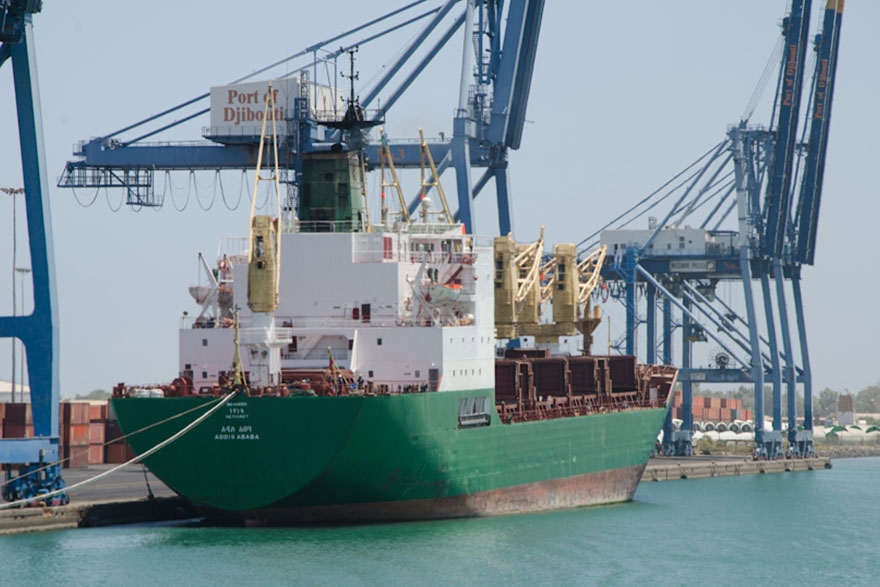
Djibouti maintains strategic importance due to its location along the Red Sea and its hosting of multiple foreign military bases belonging to countries including the United States, France, and China. As a result, stability in Djibouti is often prioritized by international partners despite ongoing criticism regarding political freedoms and electoral transparency.
The attendance of regional leaders, including Somalia’s President Hassan Sheikh Mohamud, whose term comes to an end in days but is planning to emulate Guelleh and extend his term, reflects Djibouti’s continued lack of anti-democratic influence in regional politics and security affairs. At the same time, criticism from international bodies and opposition groups over the election outcome may continue to fuel debate about political reform and democratic participation within Djibouti.
Categories: Latest News