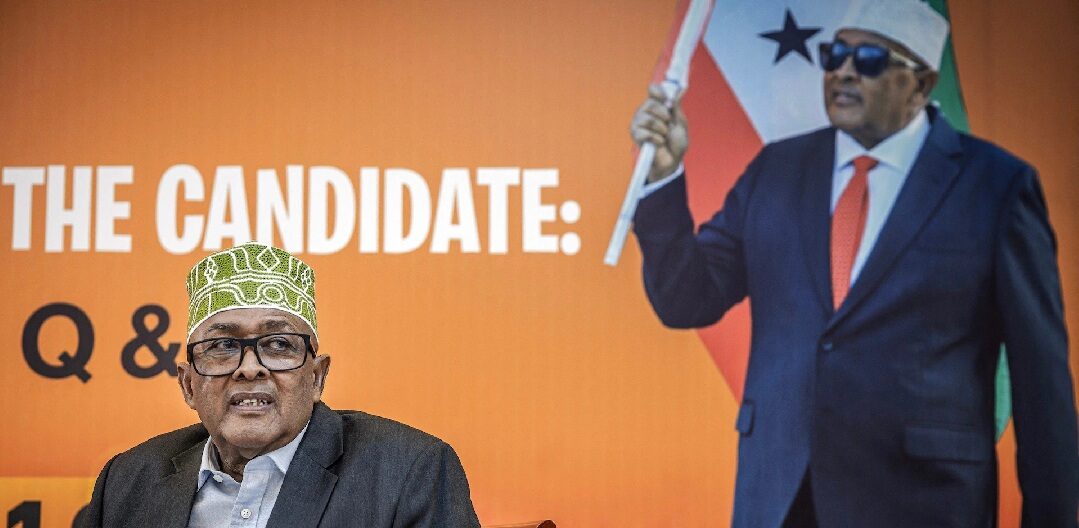
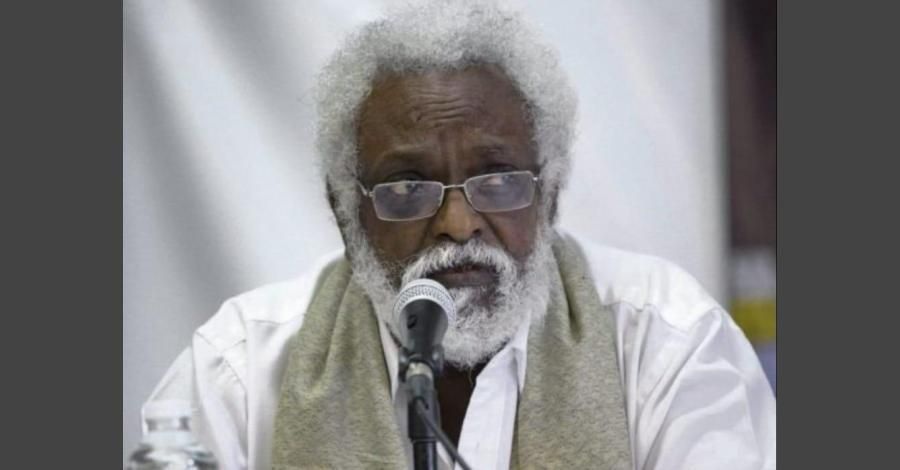
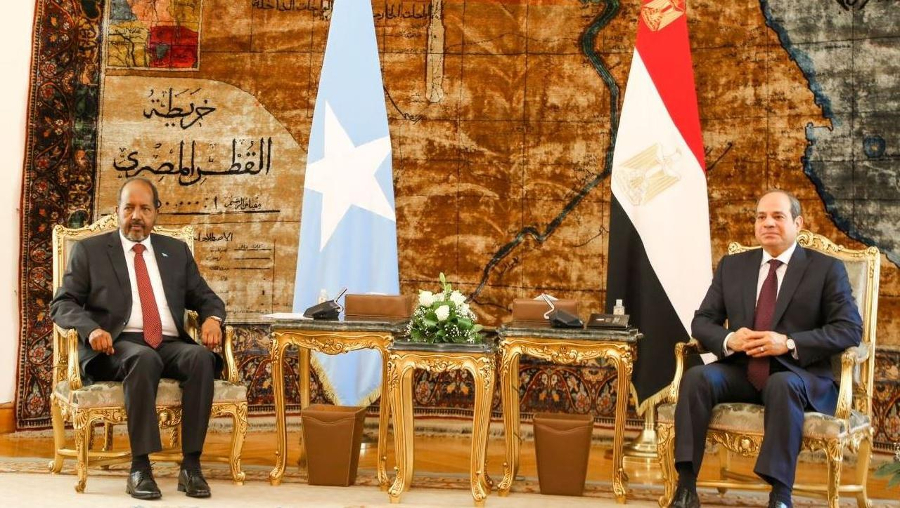
MOGADISHU (SD) – Political talks held inside the Halane camp in Mogadishu between Hassan Sheikh Mohamud and opposition figures led by Sheikh Sharif Sheikh Ahmed and Said Abdullahi Deni concluded on their second day without an official agreement, according to sources familiar with the discussions.
Preliminary reports indicate that the meeting ended without a visible breakthrough, as key political disputes between the Federal Government and opposition groups remain unresolved.
Sources close to the talks said the Somali presidency maintained its existing positions on major issues, particularly concerning the electoral process, constitutional amendments, and the management of ongoing political disagreements.
Opposition groups reportedly pushed for broader political consultations and compromise-based negotiations, while the Federal Government favored continuing the political roadmap and reforms already outlined by the administration.
The closed-door meeting brought together senior Somali political figures and influential leaders, with discussions focusing heavily on contentious topics including the federal government’s mandate, plans for one-person-one-vote elections, constitutional review, and the growing lack of political trust between the government and opposition factions.
Despite the absence of a formal agreement, both sides agreed to continue discussions and are expected to reconvene tomorrow afternoon, signaling that negotiations remain ongoing.
The failure of the Halane talks to produce an immediate agreement highlights the depth of Somalia’s current political divisions, particularly over elections and constitutional reforms. The continuation of negotiations suggests that both the government and opposition recognize the risks of a complete breakdown in dialogue, even as major disagreements persist.
The dispute over one-person-one-vote elections remains one of the most sensitive issues in Somali politics. While the Federal Government presents the process as a democratic transition, opposition leaders and some regional administrations have expressed concerns about timing, implementation, political trust, and the concentration of power.
The involvement of influential figures such as Hassan Sheikh Mohamud, Sheikh Sharif, and Puntland President Deni demonstrates the high political stakes surrounding the negotiations. The discussions are also being closely watched by international partners concerned that prolonged political deadlock could undermine security cooperation and state-building efforts.
The decision to continue talks may help reduce immediate tensions in Mogadishu, but without meaningful compromise, the political standoff could deepen further in the coming weeks.
Categories: Latest News