BAIDOA (SD) – The Independent Electoral Commission in South West State has officially announced the results of the House of Representatives and Local Council elections conducted across 13 districts of the regional administration.
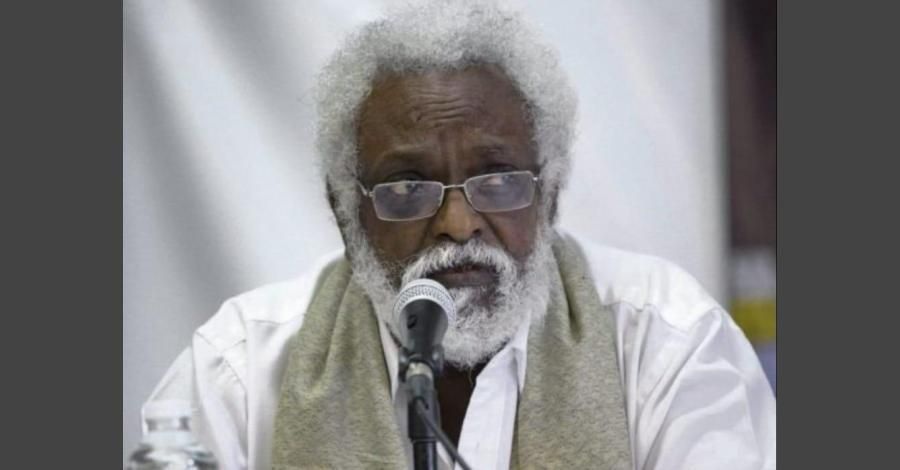
Speaking at a press conference held at the commission’s headquarters, commission chairman Abdikarin Ahmed Hassan said that 32 political parties participated in the elections, competing for seats in the regional House of Representatives and local councils.
According to the commission, a total of 132,430 registered voters cast ballots during the elections after receiving voting cards issued by the electoral body.
The chairman stated that the JSP party secured the largest share of seats in the 95-member House of Representatives.
The announced results for the House of Representatives were as follows:
JSP – 51 seats
NPU – 14 seats
Karaama – 11 seats
SINCAD – 6 seats
Tiir – 3 seats
Other participating parties won one seat each, while several parties failed to secure representation in the regional parliament.
The commission also released the results of the local council elections held in the same 13 districts, where 297 council seats were contested by the same 32 political parties.
Despite the announcement, it remains unclear whether all participating parties will accept the election results. Political reactions and possible disputes regarding the transparency and conduct of the elections are expected in the coming days.
The announcement of the South West election results represents an important political development for the regional administration and Somalia’s broader electoral landscape. The strong performance of the JSP party gives it significant influence within the regional parliament and could strengthen its role in shaping South West’s political direction.
However, the credibility and acceptance of the results may become a key issue moving forward. In Somalia’s highly contested political environment, opposition parties frequently raise concerns regarding transparency, fairness, and administrative control of electoral processes.
The participation of 32 political parties and over 132,000 voters suggests an attempt to demonstrate broader political inclusion and electoral engagement at the regional level. At the same time, the absence of immediate reactions from losing parties means the political impact of the results remains uncertain.
How stakeholders respond to the outcome could affect political stability in South West State and influence wider national debates about Somalia’s future electoral model, including ongoing discussions about direct elections and democratic reforms.
Categories: Latest News