
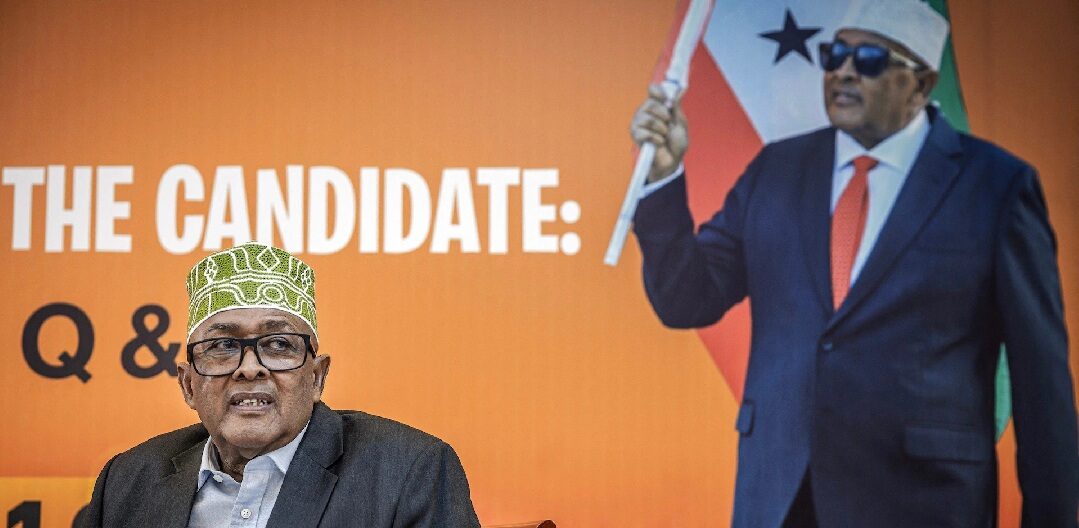
HARGEISA (SD) — A policy brief released by the Washington-based think tank Defence Priorities urging the United States not to recognize Somaliland has sparked strong criticism in Hargeisa, where officials and analysts argue that the report overlooks Somaliland’s political stability, democratic development, and growing strategic importance.
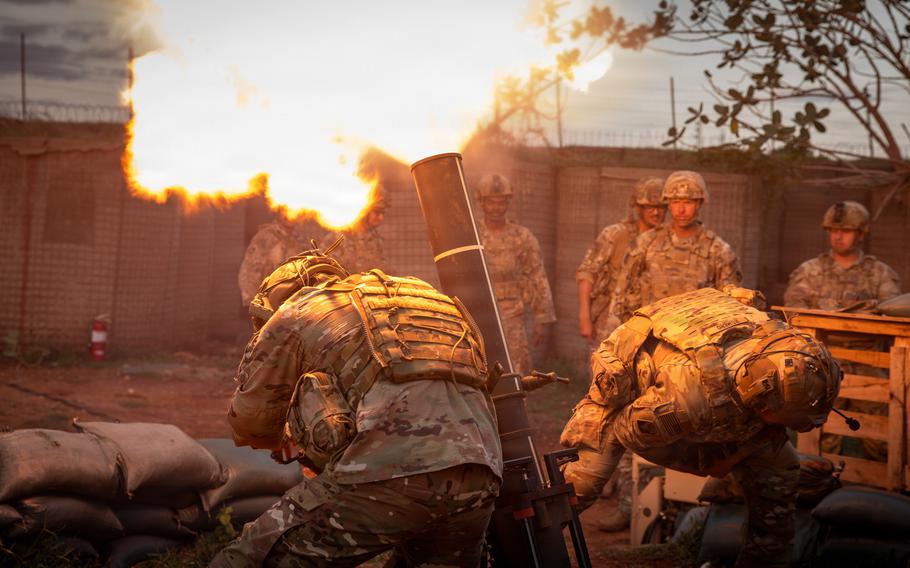
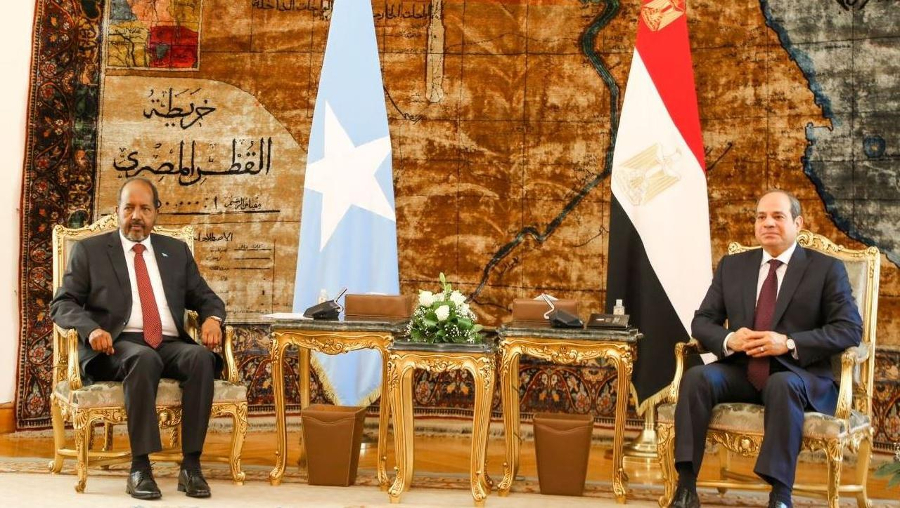
The paper, “Exiting Somalia’s War: End U.S. Military Operations,” authored by William Walldorf, recommends that the Trump administration maintain U.S. recognition of Somalia’s territorial integrity and refrain from recognizing Somaliland or establishing proposed American military facilities in the territory.
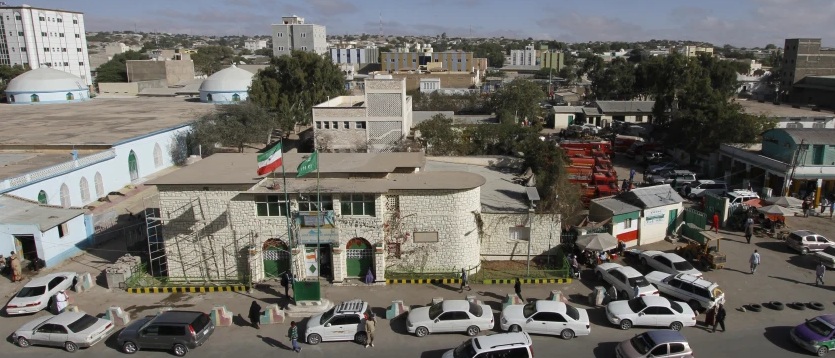
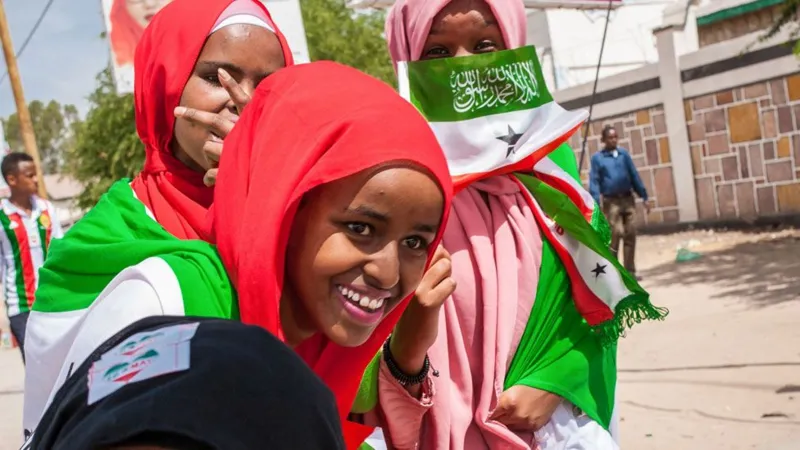
Critics argue the report relies on a long-standing international narrative that treats Somaliland solely as part of Somalia, while failing to acknowledge its more than three decades of self-governance since 1991.
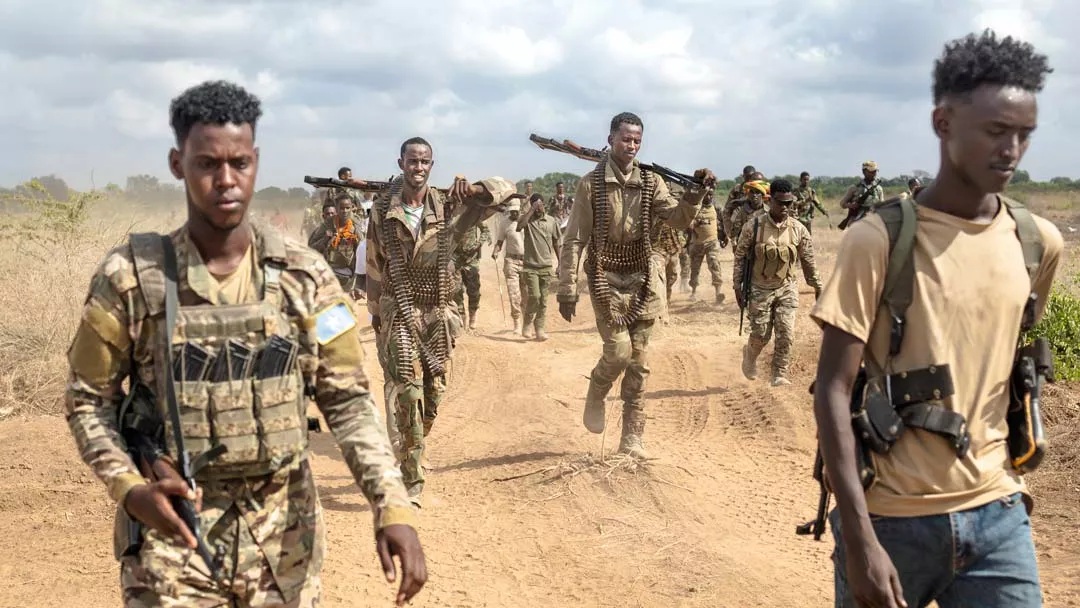
They point out that Somaliland has maintained relative peace, held multiple competitive elections, built functioning state institutions, and secured its territory without relying on foreign peacekeeping forces. By contrast, Somalia continues to face security challenges, political disputes, and dependence on international military assistance.
Supporters of Somaliland say that linking its future to the instability in Mogadishu ignores the different political realities that have developed over the past three decades.
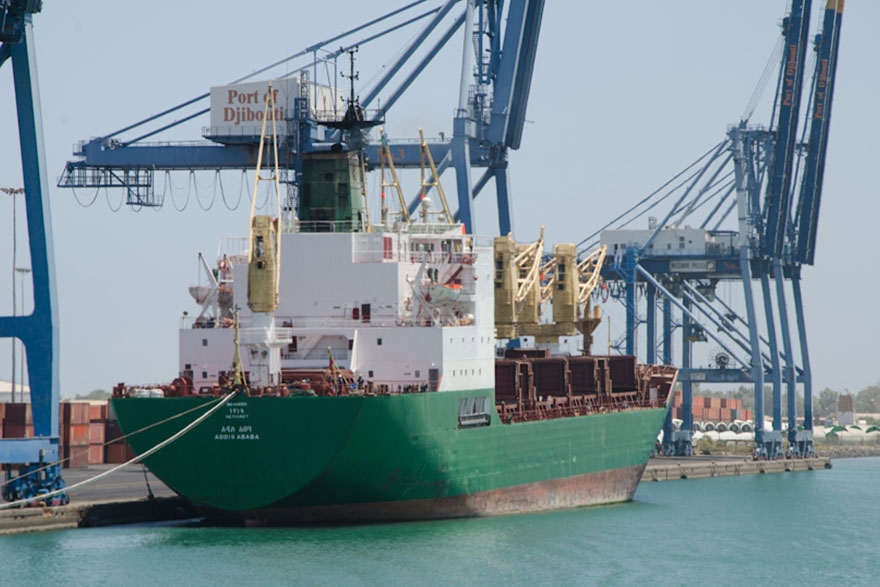
The report also argues that additional U.S. military facilities in Somaliland are unnecessary given existing American capabilities in neighbouring Djibouti.
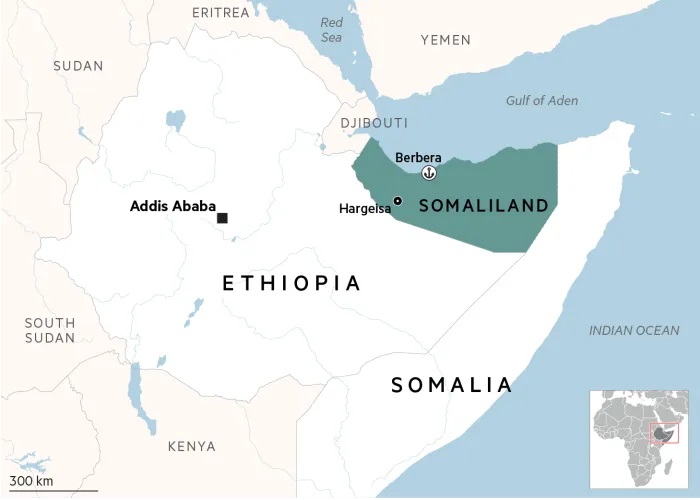
However, Somaliland analysts contend that the rapidly changing security environment in the Red Sea and Gulf of Aden makes Berbera increasingly valuable. They argue that the territory’s location near the Bab al-Mandab Strait offers strategic advantages for protecting international shipping, responding to regional crises, and supporting maritime security.
They also note that rising Houthi attacks, intensifying competition among global powers, and heightened military activity in the region have significantly reshaped the strategic landscape since Camp Lemonier in Djibouti became the primary U.S. base in the Horn of Africa.
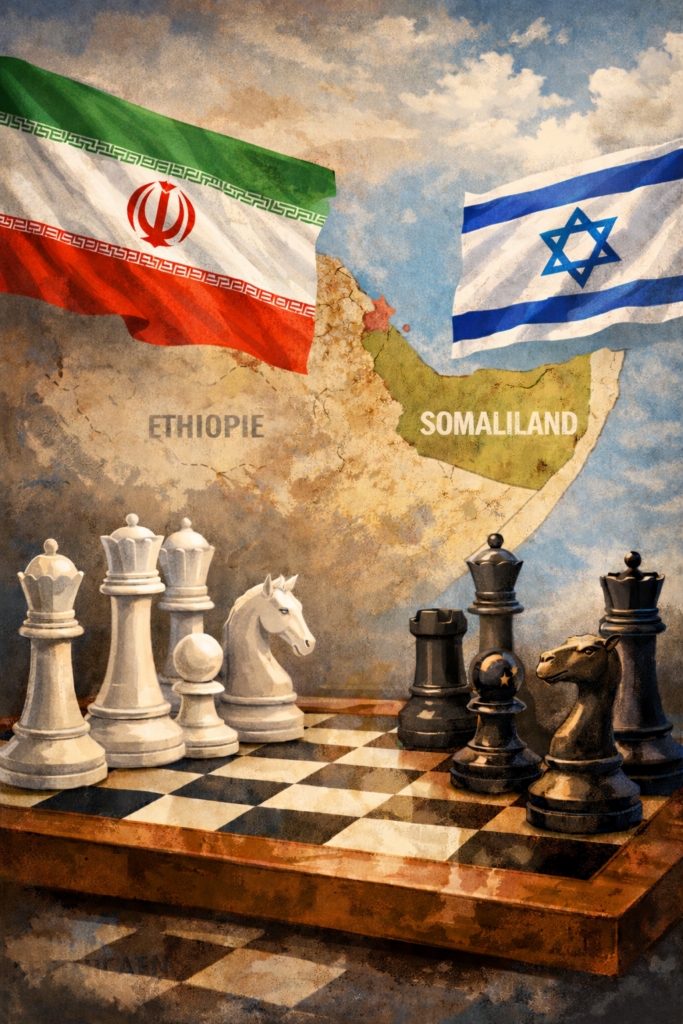
The Defence Priorities report also criticizes Somaliland’s Memorandum of Understanding with Ethiopia, warning that it could contribute to regional tensions.
Officials and analysts in Somaliland reject that characterization, arguing that the agreement represents a legitimate effort to strengthen regional trade and economic integration by providing landlocked Ethiopia with access to the Port of Berbera while expanding Somaliland’s diplomatic and commercial partnerships.
They maintain that decisions regarding economic cooperation and foreign relations should be determined by Somaliland itself rather than by external policy organizations.
The Defence Priorities report represents one perspective within Washington’s foreign policy community, but it also illustrates a growing divide over how the United States should approach Somaliland.
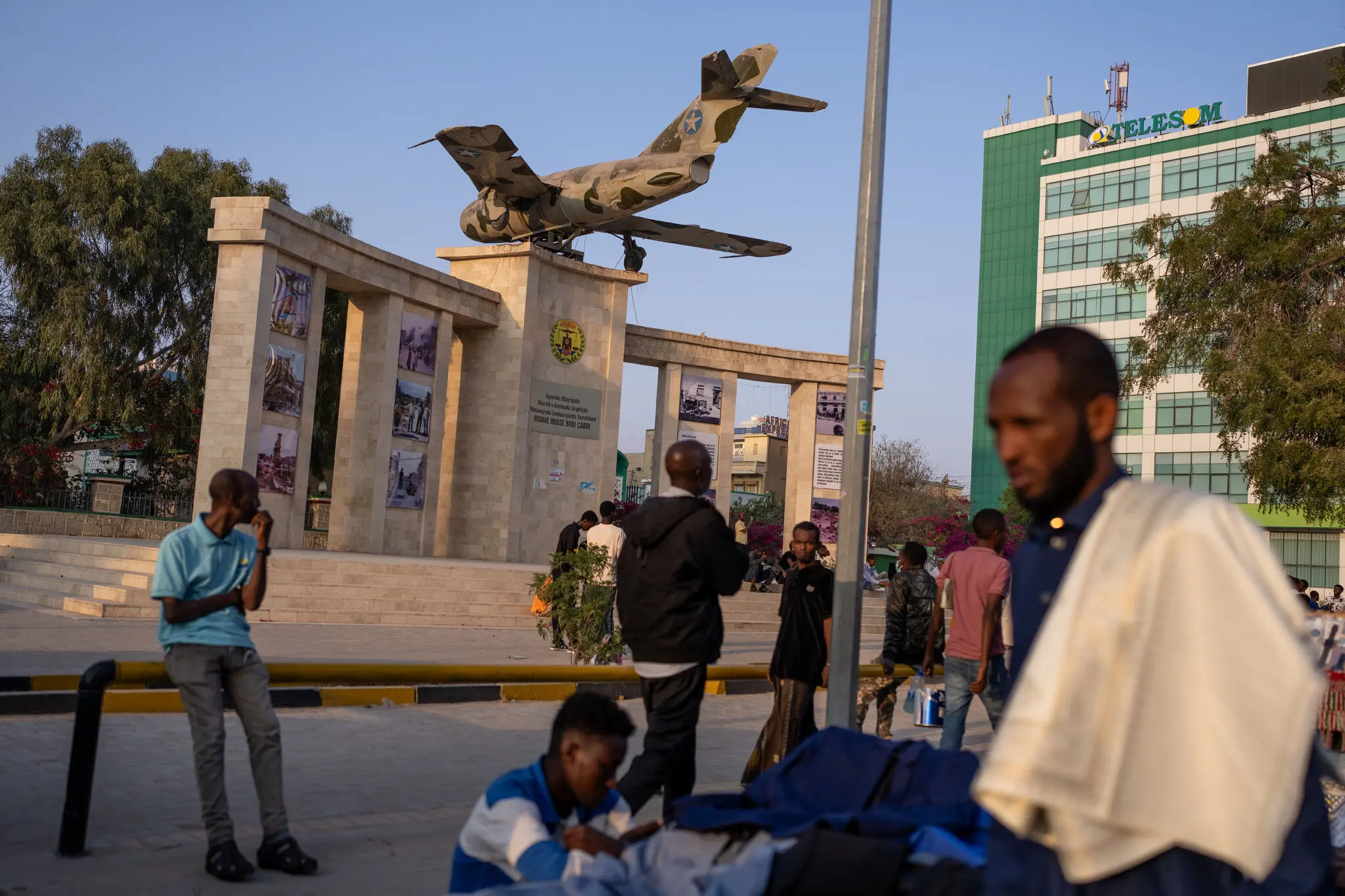
Critics argue that the report places overwhelming emphasis on preserving Somalia’s territorial integrity while giving comparatively little attention to developments on the ground. After more than three decades of separate administration, Somaliland has established functioning institutions, maintained relative internal stability, and increasingly positioned itself as a strategic partner in the Horn of Africa.
They also question the report’s strategic assumptions. The conclusion that Djibouti alone is sufficient for U.S. regional interests may not fully account for today’s security environment, where Red Sea shipping has become increasingly vulnerable, and competition among regional and global powers has intensified. From this perspective, Berbera represents not simply another military location, but a complementary strategic asset that could diversify Western access to one of the world’s most important maritime corridors.
Supporters of closer engagement with Somaliland further argue that the report overlooks the territory’s expanding international profile. Increased cooperation with Ethiopia, significant investment in the Port of Berbera, growing security engagement with international partners, and diplomatic recognition by Israel demonstrate that Somaliland is becoming an increasingly relevant regional actor regardless of its broader international status.
Perhaps the central criticism of the report is that it appears to reward political instability while discouraging stability. Somaliland supporters contend that if decades of democratic governance, peaceful transfers of power, and effective self-administration are insufficient to merit deeper international engagement, it sends a message that political success carries few diplomatic benefits. In their view, recognizing or expanding ties with Somaliland would not undermine regional stability but instead acknowledges political realities while advancing shared interests in maritime security, trade, and regional cooperation.
Ultimately, the debate reflects two competing visions of U.S. policy: one that prioritizes maintaining the existing international framework centered on Somalia’s territorial integrity, and another that argues strategic realities in the Horn of Africa increasingly justify a more pragmatic approach toward Somaliland. As geopolitical competition in the Red Sea continues to intensify, that debate is likely to become even more prominent.
Categories: Latest News










The report is embedded on unrealistic assessment of an unfolding reality of the Horn of Africa. it castigates American’s need to meet both military and political challeges to merely maintaining and honouring terrritorial borders of the countries at expanse of an emergent reality that arose following the US-Iran war. And which call for a reformulation of policy responsive to ever- changing reality on the ground. Nor the report evaluated more than 40 years of US Support of Somalia, that paved the way of a failed state dependant its survival by an international support. In a marked contrast to Somaliland’s self-reliant policy ushering peace and prosperity in the country.