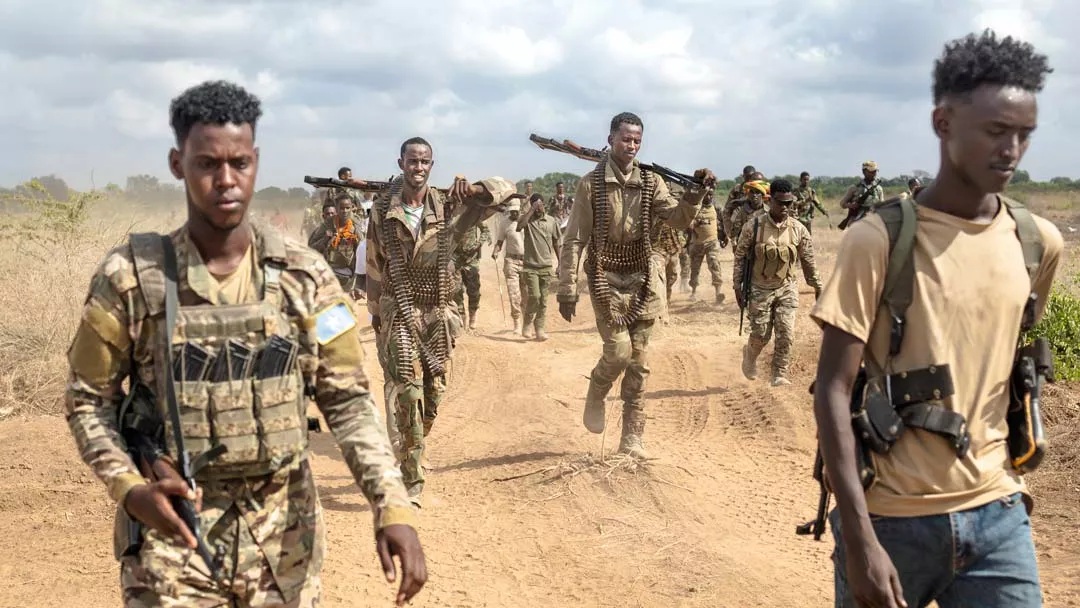
HARGEISA (SD) – The Somaliland government has clarified that it will not unilaterally release prisoners captured during the Las Anod conflict, emphasizing that detainees from both sides will only be freed simultaneously after a formal agreement is reached.
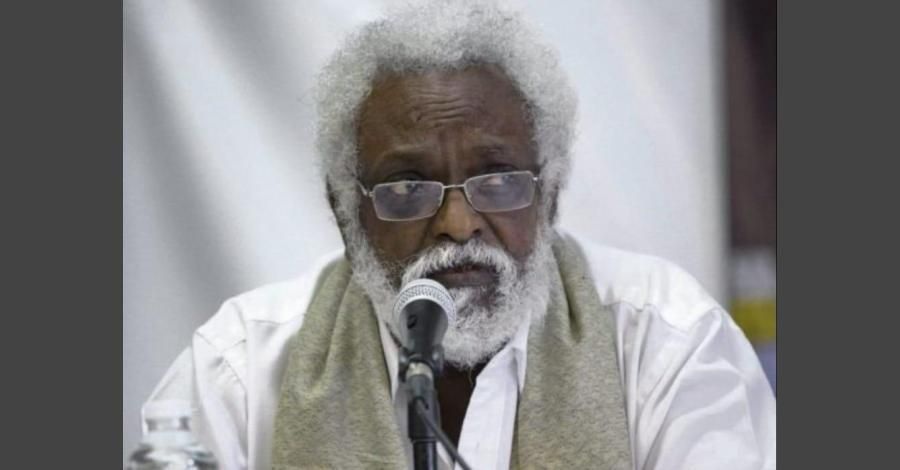
Deputy Minister of Education Mohamed Muse Haji Abdi (Galaydh) said resolving the prisoner issue remains a key priority for President Abdirahman Mohamed Abdillahi (Irro) and is being handled by the Peace and Conflict Resolution Committee.
He urged the public not to speculate about reports of an imminent prisoner release, stressing that any exchange would depend on mutual agreement between the two sides.
“We ask the public to wait for the committee responsible for this matter. Once a formal agreement is reached, prisoners from both sides will be released on the same day,” Galaydh said.
The deputy minister also underscored the importance of reconciliation, saying Somaliland’s past peace conferences have demonstrated that dialogue, compromise, and consensus are the most effective ways to resolve conflicts.
While acknowledging that the Las Anod war caused significant casualties, displacement, and property destruction, he said lasting peace and coexistence remain the government’s long-term objective.
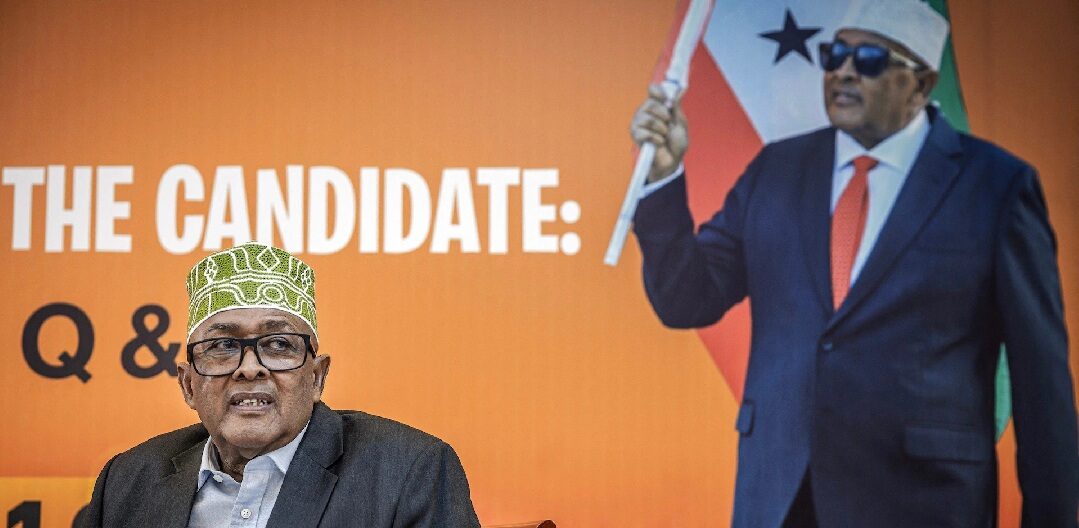
The statement follows widespread reports suggesting Somaliland was preparing to release prisoners held in Hargeisa unilaterally. Speculation intensified after the recent public reception for Fahiima Quuje, prompting debate over whether it signaled an impending prisoner exchange.
Public opinion remains divided, with some advocating for humanitarian releases, while others insist that any prisoner exchange should be reciprocal and take place simultaneously to preserve trust and equality between the parties.
Somaliland’s statement appears aimed at managing public expectations while reaffirming its negotiating position. By rejecting a unilateral release, the government is signalling that it intends to use the prisoners as part of a negotiated confidence-building process rather than making a one-sided concession. The emphasis on simultaneous exchanges reflects a desire to maintain parity with the opposing side while keeping the door open for broader peace and reconciliation efforts. Whether an agreement can be reached will likely depend on the willingness of both parties to coordinate through ongoing dialogue.
Categories: Latest News