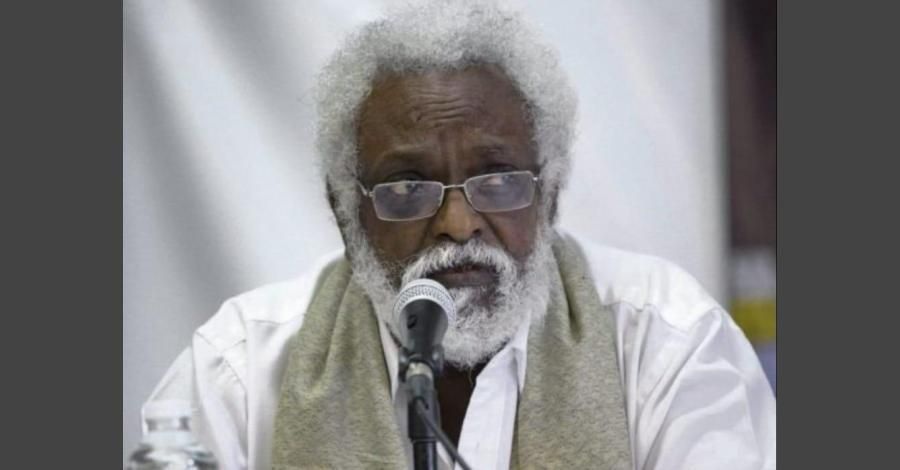
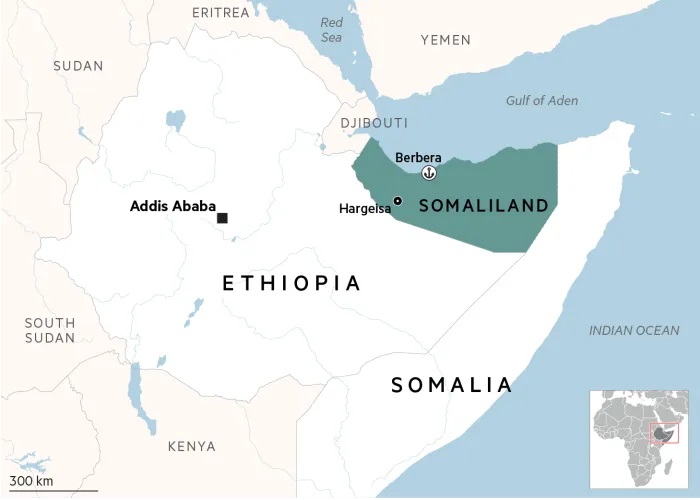
HARGEISA (SD) — Somaliland’s Interior Minister, Abdalle Mohamed Arab, has accused Somalia, Djibouti and Turkey of interfering in the prolonged conflict in Somaliland’s western Awdal and Salal regions, arguing that the violence should not be viewed simply as an internal clan dispute.
The minister described the conflict as an “external attack”, alleging that foreign actors have contributed to tensions and obstructed local efforts to restore peace.
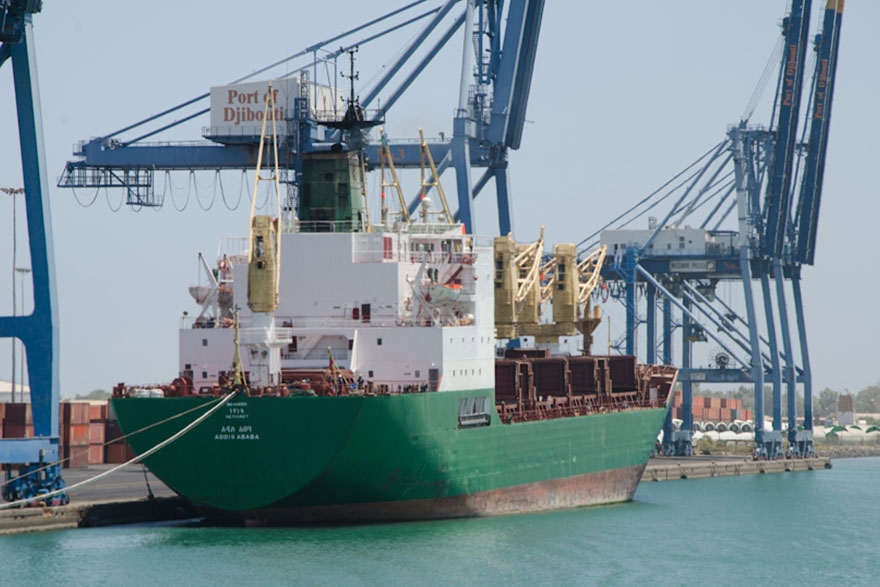
Arab specifically accused the Federal Government of Somalia and Djibouti of involvement and made a separate allegation against Turkey, claiming that Ankara’s actions were contributing to instability and preventing the communities from reaching a peaceful settlement. None of the three governments had publicly responded to the accusations at the time of the report.
The minister’s comments reflect Hargeisa’s broader argument that the violence in Awdal and Salal has a significant political and regional dimension rather than being solely a traditional dispute between local communities.
Arab emphasized that the communities in the western regions have historically lived alongside one another and rejected the characterization of the conflict as an entrenched ethnic or clan confrontation.
From Somaliland’s perspective, this distinction is politically important. If the conflict is primarily understood as an internal clan dispute, responsibility for resolving it rests largely with local communities and the Somaliland administration. If Hargeisa’s allegations of outside involvement are substantiated, however, the conflict would instead form part of a wider regional contest over Somaliland’s political stability and territorial authority.
The minister also compared the situation with the conflict in Las Anod, where Somaliland has previously accused external actors of supporting forces opposed to its administration.
The comparison suggests that Somaliland increasingly views instability in different parts of its territory through a broader national-security lens: Hargeisa believes outside political actors may be exploiting local grievances to weaken Somaliland’s territorial control and political position.
That is a serious allegation, however, and it should be distinguished from independently verified evidence. The claims against Somalia, Djibouti and Turkey remain allegations unless supporting evidence is publicly established.
The accusations come as local peace efforts are underway in the western regions. Preliminary discussions have reportedly produced agreements aimed at reconciliation and reducing tensions.
This creates an important test for Somaliland’s government.
If the administration can help local communities reach a durable settlement while maintaining security, it would strengthen Hargeisa’s argument that the conflict can be resolved through Somaliland-led political dialogue rather than external intervention.
At the same time, accusing neighbouring governments of interference could complicate diplomatic relations if those governments reject the allegations.
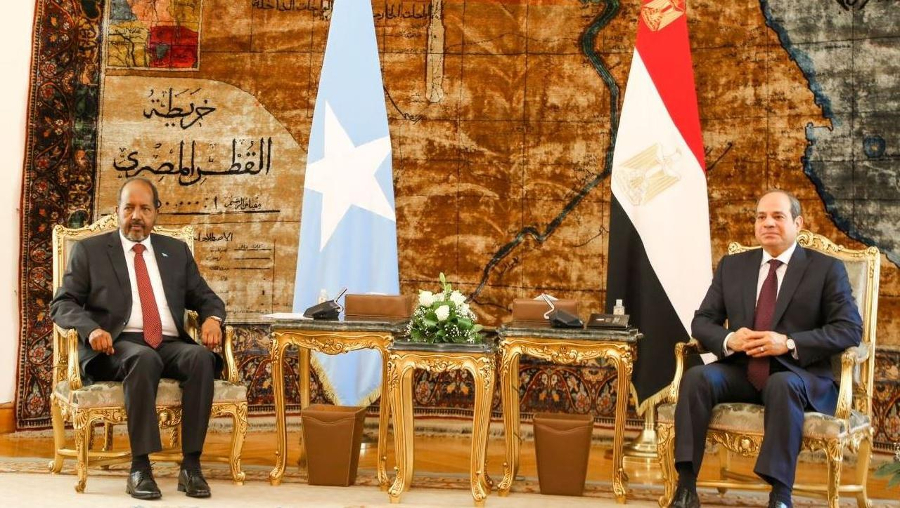
The accusations also highlight the increasingly complicated geopolitics surrounding Somaliland. Somalia continues to reject Somaliland’s independence claim, while Djibouti has its own strategic and economic interests in the Horn of Africa. Turkey, meanwhile, has developed a particularly close relationship with Mogadishu in defence, economic and diplomatic affairs.
Consequently, Hargeisa’s allegations come at a sensitive moment when Somaliland’s internal stability, regional politics and its dispute with Somalia are becoming increasingly interconnected.
From a Somaliland perspective, the central message from Minister Arab is clear: Hargeisa does not believe the western conflict should be reduced to a simple clan confrontation.
The government is attempting to frame the conflict as both a local reconciliation challenge and a national-security issue involving possible external interference.
However, Somaliland will need more than political accusations to convince international partners. Evidence, transparent investigations and successful local reconciliation would provide a stronger basis for its claims than rhetoric alone.
The immediate priority should therefore be ending the violence and achieving a credible local settlement. If the peace conference succeeds, it could undermine attempts by any outside actor to exploit local divisions—and simultaneously strengthen Somaliland’s case that it possesses the institutions and political mechanisms necessary to manage its own internal affairs.
Categories: Latest News