
WASHINGTON (SD) — Somaliland is increasingly attracting attention in Washington as a potential strategic partner in efforts to protect Red Sea shipping and counter the growing threat posed by Houthi attacks around the Bab al-Mandab Strait.
The strategic importance of Somaliland is largely linked to its long Gulf of Aden coastline and the locations of Berbera Port and Berbera Airport, which offer potential logistical and maritime security advantages for the United States and other international partners.
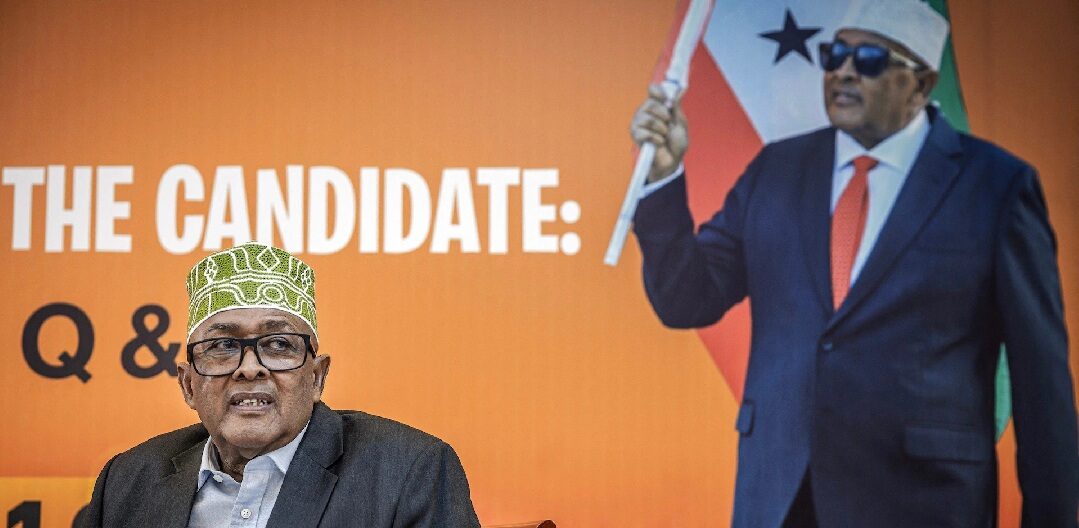
The discussion comes amid growing U.S.-Somaliland security contacts. U.S. Africa Command (AFRICOM) Commander Gen. Dagvin Anderson has visited Somaliland, met with President Abdirahman Mohamed Abdillahi (Cirro), and visited Berbera to assess its strategic and operational capabilities. A Somaliland delegation led by Defence Minister Mohamed Yusuf Ali subsequently visited AFRICOM headquarters in Stuttgart, with Red Sea security reportedly among the issues discussed.
For Somaliland, the growing U.S. interest represents more than a security partnership. It could provide Hargeisa with an opportunity to demonstrate that its strategic location has practical value to major international powers.
Berbera sits on the Gulf of Aden, relatively close to the Bab al-Mandab, one of the world’s most important maritime chokepoints. Instability in the area has already forced some shipping companies to reconsider routes through the Red Sea, increasing transportation costs and putting pressure on global supply chains.
U.S. strategists therefore have an interest in maintaining alternative facilities and partnerships along the western side of the Gulf of Aden.
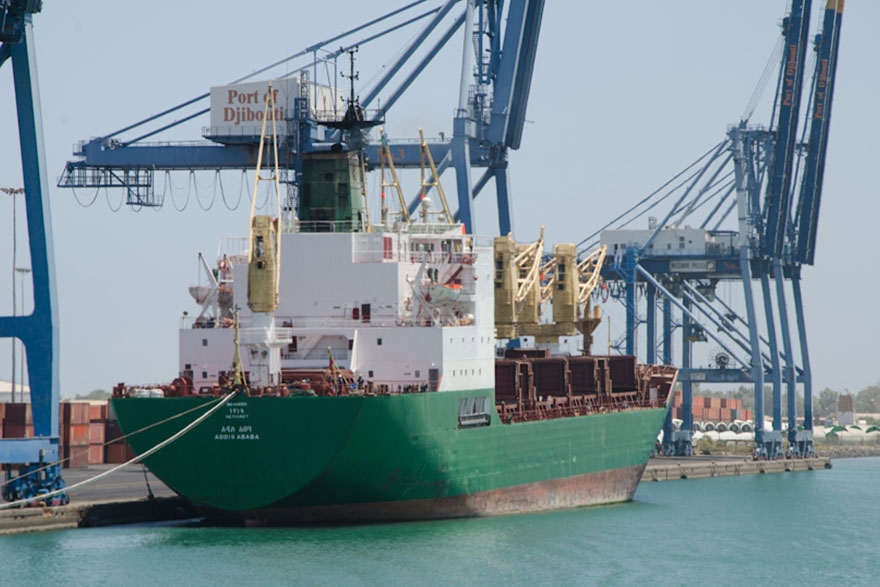
Some former Western officials and security experts have suggested that Somaliland could provide Washington with an additional strategic option alongside its existing military infrastructure in Djibouti.
This does not necessarily mean that the United States is preparing to abandon Djibouti or immediately establish a major military base in Somaliland. Washington continues to publicly recognize the Federal Government of Somalia as its formal partner.
Nevertheless, deeper engagement with Somaliland could give the United States greater flexibility by reducing its dependence on a single regional location.
For Hargeisa, this is significant because strategic cooperation can strengthen Somaliland’s argument that it is already functioning as an important international security partner, regardless of the unresolved question of formal recognition.
The most important political question is whether growing security cooperation could eventually influence Washington’s broader policy toward Somaliland.
Somaliland can argue that it has demonstrated several characteristics that international partners seek in a security relationship: relative stability, functioning institutions, a strategic coastline and a willingness to cooperate on maritime security.
However, Washington faces a difficult diplomatic calculation. The United States continues to support Somalia’s territorial integrity and its partnership with Mogadishu, while formal recognition of Somaliland would represent a major departure from that policy.
Therefore, security cooperation and diplomatic recognition should not automatically be treated as the same process.
From a Somaliland perspective, increased U.S. engagement could be a major diplomatic opportunity. Cooperation with Washington could strengthen Hargeisa’s international profile and demonstrate the practical value of Somaliland’s geographical position.
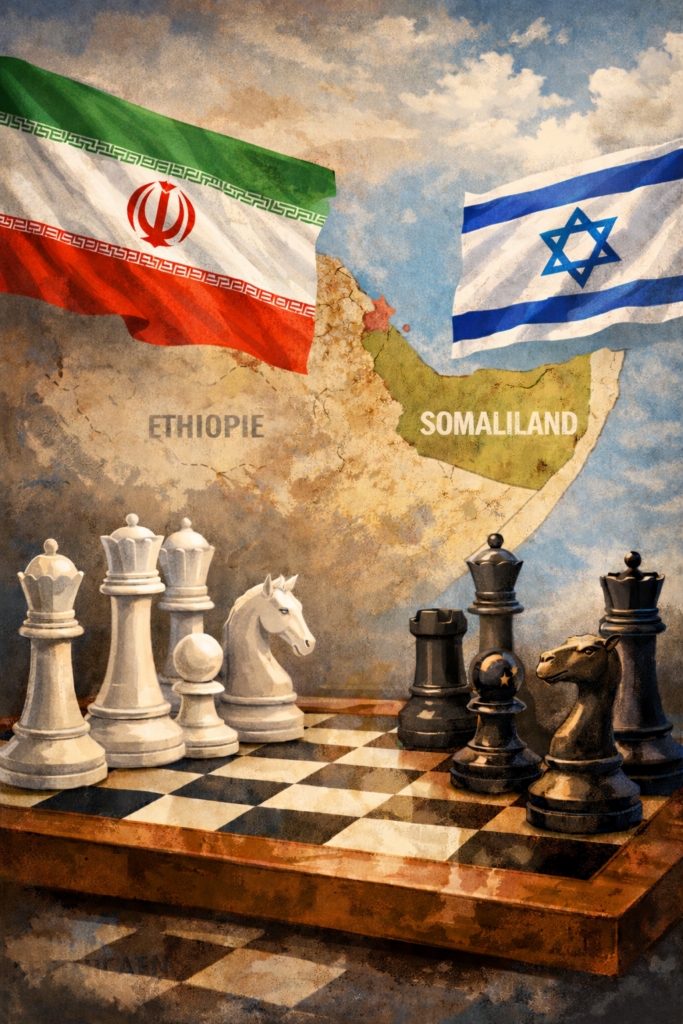
Somaliland must avoid becoming directly involved in the wider regional military confrontation involving Israel, Iran, the Houthis and other regional powers. Any foreign military presence on Somaliland territory could make the country a potential target and create new security challenges.
The best strategy for Hargeisa would therefore be to emphasize maritime security, protection of commercial shipping, counter-piracy, intelligence sharing, coastal surveillance and international cooperation, rather than presenting Somaliland as a platform for offensive military operations.
The emerging U.S.-Somaliland security relationship is strategically important because it could gradually change how Washington views Hargeisa: not simply as a disputed territory, but as a potential security partner located beside one of the world’s most important maritime chokepoints.
For Somaliland, the challenge is to convert this strategic relevance into broader diplomatic and economic benefits while maintaining control over its own security policy and avoiding becoming entangled in conflicts beyond its borders.
The key question is no longer only whether Somaliland is strategically important — it is whether that strategic importance will eventually translate into a deeper and more formal relationship with the United States.
Categories: Latest News








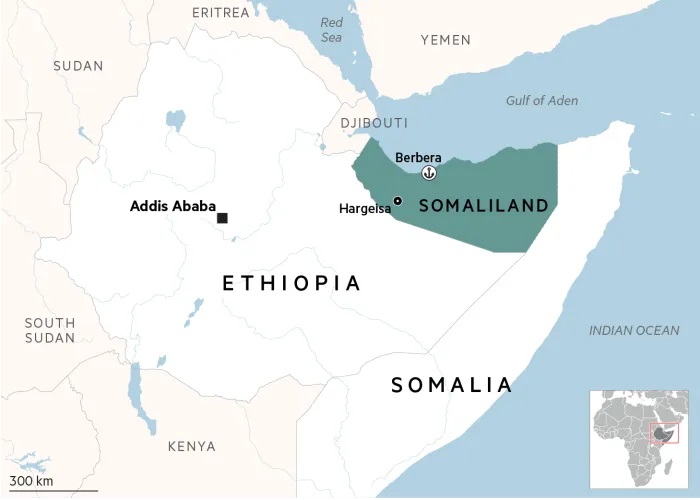
The US tend to depart the assumption of Somalia as one nation that has shaped its policy ever since the collapse of central authority in Somalia in 1989 . And re-frame its diplomatic policy in accordance with an emergent strategic reality, by fostering a closer alliance based on a mutually interest-driven alliance with Somaliland. in the absence of a reformuulated diplomatic policy, The US government is merely dovetailing the support of a failed state of Somalia, relative to a new alliance with the countries emerging as democratic in the region of Horn OF Africa