MOGADISHU () —The Somali Journalists Syndicate (SJS) has condemned a warning issued by Somalia’s Ministry of Information to media organizations covering the conflict in South West State, saying the government’s statement risks increasing censorship, intimidation and restrictions on independent journalism.
In a statement published on October 21, SJS criticized the ministry’s October 19 warning against media organizations, websites and social media administrators disseminating what the government describes as “terrorist propaganda.” The ministry had threatened legal action against those it accused of deliberately using media platforms to participate in or facilitate criminal activities.
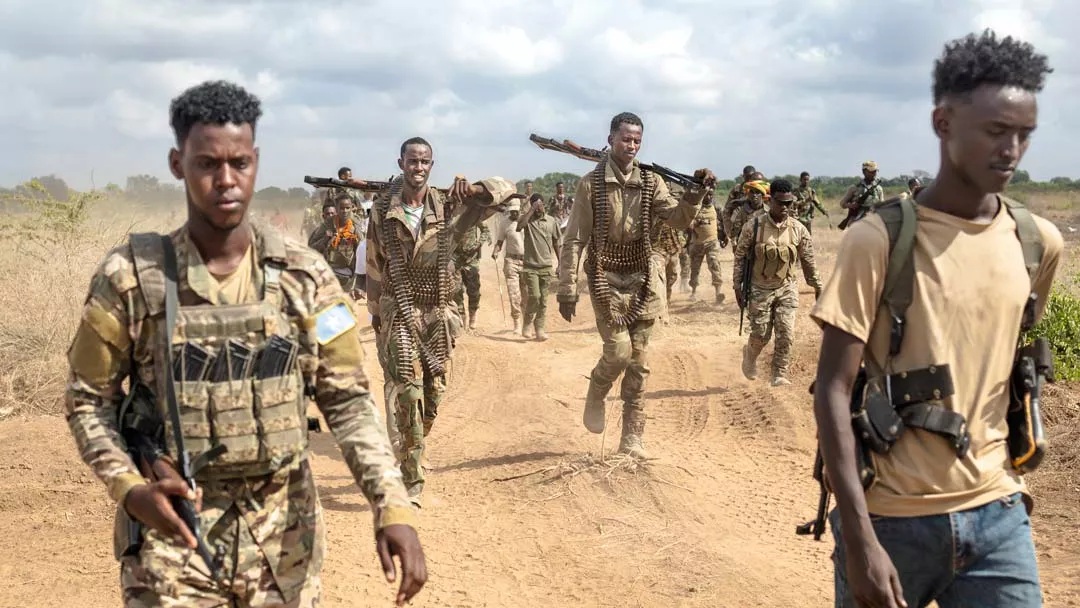
SJS said the warning was dangerous because it could discourage journalists from reporting independently on the fighting between forces loyal to former South West State president Abdiaziz Hassan Mohamed Laftagareen and those supporting current regional leader Adan Mohamed Nur, widely known as Adan Madobe, who is backed by the federal government.
The syndicate argued that Somalia’s Provisional Federal Constitution protects freedom of expression and access to information. It also cited the International Covenant on Civil and Political Rights, saying any restrictions on reporting must have a legal basis and be necessary and proportionate to a legitimate purpose.
SJS said journalists covering the conflict had faced arrests, threats, harassment, equipment confiscation and pressure to delete social media content. According to the organization, five journalists have fled South West State since late August, while eight others are in hiding because of threats and insecurity. The syndicate also reported that Arladi Media Network journalist Bashir Mohamed Abdullahi died from injuries sustained during clashes in Baidoa in early September.
The organization cited the humanitarian consequences of the fighting, referring to information from Médecins Sans Frontières (MSF), also known as Doctors Without Borders, which reported approximately 234 civilian casualties between August 17 and September 3. SJS said the casualties included women and children, while warning that the conflict had also disrupted medical services and increased risks for residents and journalists.
SJS Secretary-General Abdalle Mumin said the government should not criminalize independent journalism simply because reporting is unfavorable to officials or differs from the government’s account of events. The syndicate called on the Ministry of Information to withdraw its October 19 statement and urged security agencies, including the National Intelligence and Security Agency and the police, to refrain from arbitrarily arresting, threatening or prosecuting journalists carrying out their professional duties.
The organization also called for independent investigations into threats and attacks against media workers, guarantees of journalists’ safety and protection for their right to interview sources, investigate allegations and report on matters of public interest without political interference.
The dispute highlights growing tensions between the federal government’s stated efforts to counter terrorist propaganda and the media’s responsibility to report on a politically sensitive conflict. Authorities can take lawful action against direct participation in criminal activity, but broad or vaguely defined warnings can also deter legitimate reporting if journalists fear that publishing information contradicting official statements could expose them to prosecution.
SJS’s concerns are particularly significant because the conflict involves rival political and armed groups, each of which has made allegations about the other’s links to militants and foreign actors. Independent reporting is important in such circumstances, but claims about terrorist affiliations should be verified rather than repeated as fact.
The government’s response to SJS’s criticism, including whether it clarifies or withdraws the warning, will be important for press freedom and public access to reliable information. Protecting journalists from intimidation while investigating credible evidence of criminal activity would help ensure that counterterrorism measures do not become a barrier to independent coverage of the conflict.
Categories: Latest News