MOGADISHU (SD) —An increase in United States air strikes in Somalia has renewed concerns about civilian casualties, displacement and the long-term impact of counterterrorism operations, as families affected by fighting in the southern town of Jamame continue to seek medical treatment, financial assistance and answers about the deaths and injuries they say occurred during a military offensive.
In a report published on October 20, Al Jazeera documented the experiences of civilians who said they suffered during fighting involving US air strikes and Somali government and regional forces around Jamame, in Jubaland, in November 2025. Among those affected was seven-year-old Abdikadir Salah, who sustained shrapnel injuries and continues to receive medical care in Mogadishu. His mother, Maryam Haji Abdi Guled, said doctors warned that removing a fragment lodged near his hip could leave him paralyzed.
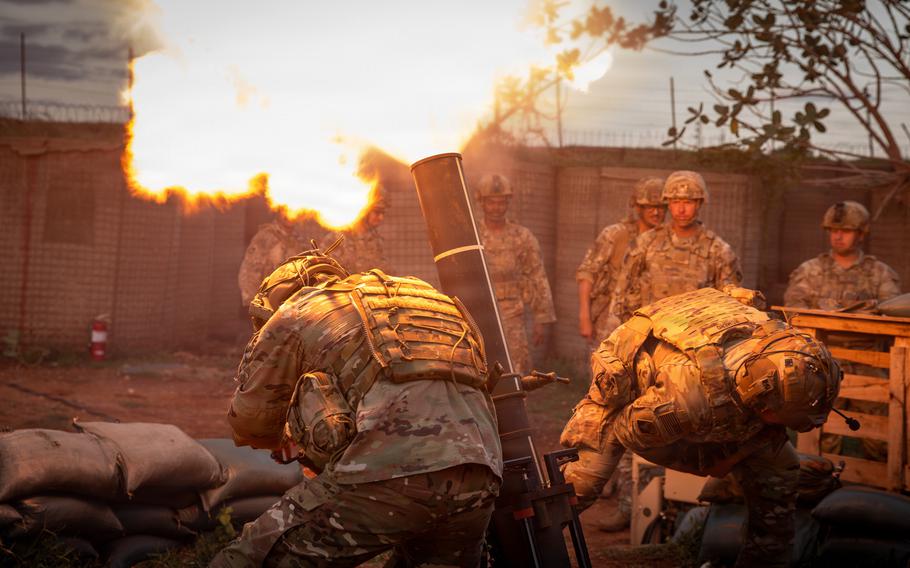
The report cited public records from US Africa Command (AFRICOM), which listed 84 strikes in Somalia through September 2026. The New America Foundation, which independently tracks the campaign, recorded 88 strikes over the same period. The figures highlight the scale of the air campaign under President Donald Trump, although the two organizations use their own tracking methods.
Civilian harm during the Jamame offensive remains disputed. AFRICOM confirmed that US forces conducted air strikes in the area on November 14 and 15, 2025, but said its assessment of reports that US operations killed between 10 and 12 civilians and damaged homes and businesses did not meet the military’s evidentiary threshold for concluding that US strikes more likely than not caused the reported harm. The command said it could reconsider its findings if new information emerged.
Meanwhile, a monitoring network led by the United Nations High Commissioner for Refugees documented 12 civilian deaths during fighting and air strikes around Jamame between November 16 and 18, 2025. The network also recorded approximately 22,800 people fleeing Jamame and surrounding villages during that period. Because the offensive involved both air strikes and ground operations, the available figures do not establish which forces were responsible for each reported death.
Al Jazeera also reported the experiences of families facing lasting consequences from the fighting, including serious injuries, the loss of relatives, damaged property and disrupted livelihoods. One farmer said his pregnant wife and unborn child died after she was struck by debris while attempting to flee. Another described his wife being left paralyzed after sustaining injuries during the offensive. The families reported difficulty paying for medical treatment and supporting their children after displacement.
The wider air campaign has prompted questions about accountability, targeting decisions and civilian protection. Air Wars, an organization that monitors civilian harm in conflict zones, documented at least 216 civilians killed or injured in US strikes in Somalia between 2007 and the end of May 2025. The figure reflects cases the organization documented and does not represent the full civilian toll.
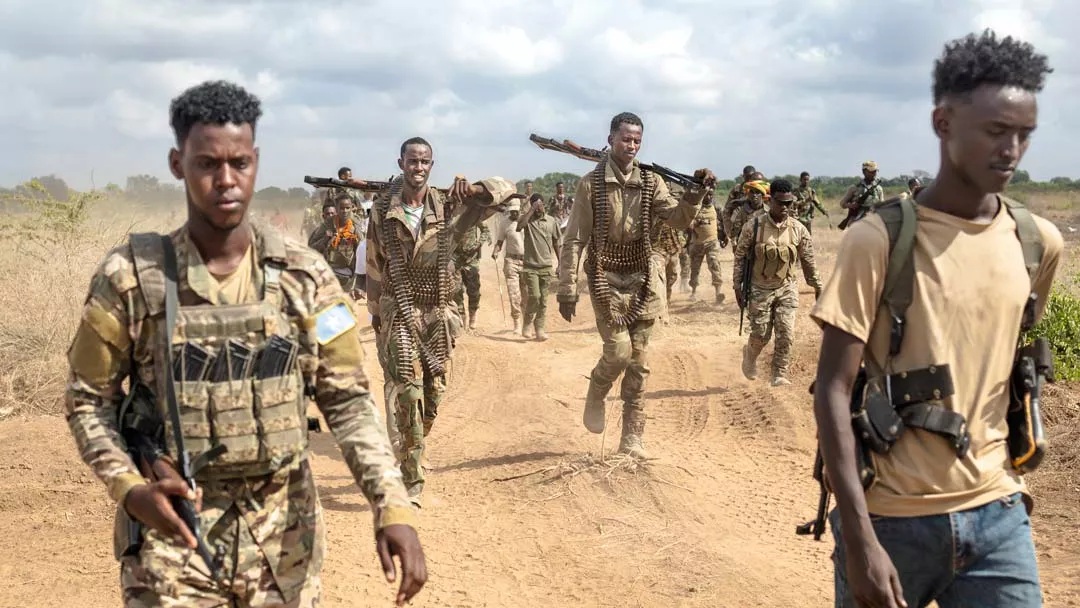
US officials maintain that air operations support Somali forces against al-Shabaab and the Islamic State affiliate in Somalia, both of which Washington considers security threats. However, analysts cited by Al Jazeera warned that civilian casualties, displacement and the loss of livelihoods can deepen local grievances and potentially provide armed groups with opportunities for propaganda and recruitment.
The report illustrates the tension between the security objectives of US-Somali military cooperation and the need to protect civilians during counterterrorism operations. Air support can strengthen operations against armed groups, but allegations of civilian harm require credible investigations, transparent findings and appropriate responses when responsibility is established.
The Jamame case also demonstrates the difficulty of determining responsibility when air strikes and ground fighting occur during the same offensive. The UNHCR-led monitoring figures document civilian deaths and large-scale displacement during the fighting, while AFRICOM’s assessment did not establish that US strikes were more likely than not responsible for the reported casualties and damage. These findings should not be treated as interchangeable.
For Somalia, civilian protection is both a humanitarian obligation and a security concern. Timely medical assistance, support for displaced families and credible investigations into alleged harm could help maintain public trust in counterterrorism operations. As the US air campaign expands, the availability of independently verifiable information about targets, casualties and investigative findings is likely to remain central to debates over its effectiveness and consequences.
Categories: Latest News