MOGADISHU (SD)— Somalia’s opposition groups are questioning the government’s approach to the planned national elections after National Intelligence and Security Agency (NISA) Commander Mahad Mohamed Salad reportedly urged opposition leaders to accept President Hassan Sheikh Mohamud’s proposed national consultation forum.
During recent meetings in Mogadishu, Mahad Salad discussed the country’s political situation with representatives of opposition groups, including the Peace and Life Party, the Somali National Council, the National Unity Forum and the Civil Society Umbrella. He reportedly conveyed a message from President Hassan Sheikh, who has invited the groups to attend a national consultation forum scheduled for November 14–18, 2026.
According to the account of the meetings, the NISA chief encouraged opposition leaders to participate in the forum and engage in discussions about the government’s proposed elections, scheduled for April 15, 2027. He also reportedly warned that Somalia was facing serious security challenges and stressed the importance of holding elections.
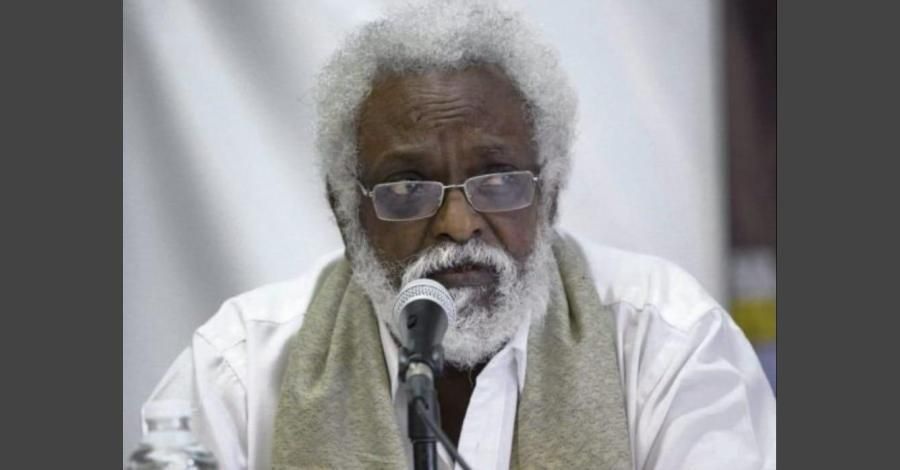
However, opposition figures have questioned whether the proposed forum will provide a genuine opportunity to negotiate the country’s electoral arrangements. The Somali Future Council has argued that an agreement cannot be reached without international mediation. Council member Abdikadir Osoble said representatives of the international community based in Mogadishu should participate in the talks.
Opposition members have accused Villa Somalia of insisting on its preferred electoral plan rather than opening negotiations on an inclusive process acceptable to the country’s political stakeholders. The disagreement also involves proposed amendments to the interim constitution, with government and opposition leaders holding different positions on how the country should move forward.
From the opposition’s perspective, the central issue is not simply whether to attend the November consultation forum, but whether the meeting will allow all sides to negotiate the electoral process on equal terms. Opposition groups want international representatives involved, arguing that their participation could build confidence and prevent the talks from becoming an endorsement of decisions the government has already made.
The NISA commander’s involvement in discussions with political groups also raises questions about the role of security institutions in an electoral dispute. While the government may view the meetings as part of efforts to encourage dialogue and protect national stability, opposition figures may question why an intelligence chief is conveying political messages instead of the discussions being handled through direct negotiations between political leaders.
The dispute remains centered on three major issues: the election model, the proposed constitutional amendments and the role of independent or international mediation. Unless these differences are addressed through an agreed process, the planned consultation forum may struggle to produce a political settlement.
Categories: Latest News