MOGADISHU (SD) – International partners involved in Somali affairs are expected to hold a high-level meeting today focused on the country’s escalating political tensions and the ongoing deadlock between the Federal Government of Somalia and opposition groups.
MUQDISHU () – The meeting comes after recent political talks in Mogadishu ended without a breakthrough, despite hopes that negotiations would produce a compromise on Somalia’s disputed political issues.
According to sources familiar with the discussions, the international meeting will focus on the growing disagreements surrounding the electoral process, constitutional amendments, political power-sharing arrangements, and the broader direction of Somalia’s state-building process.
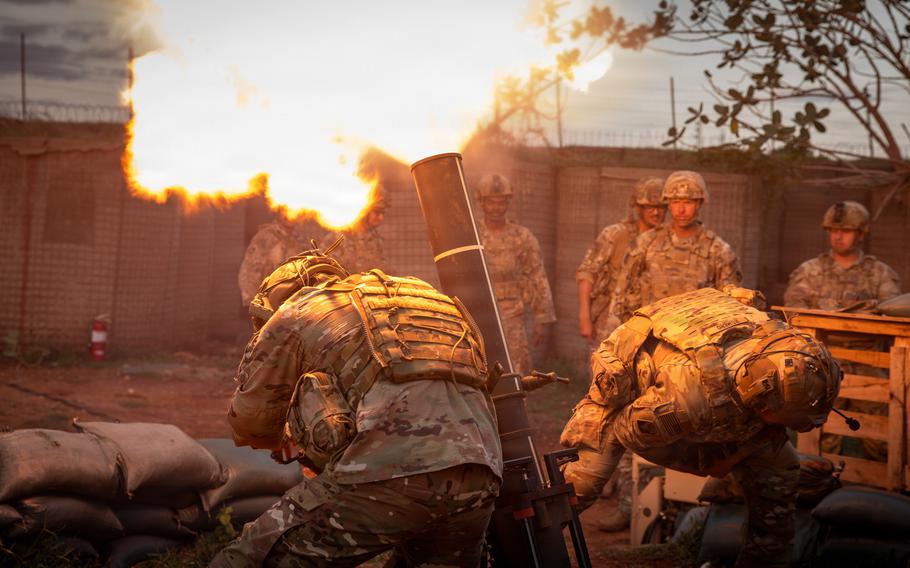
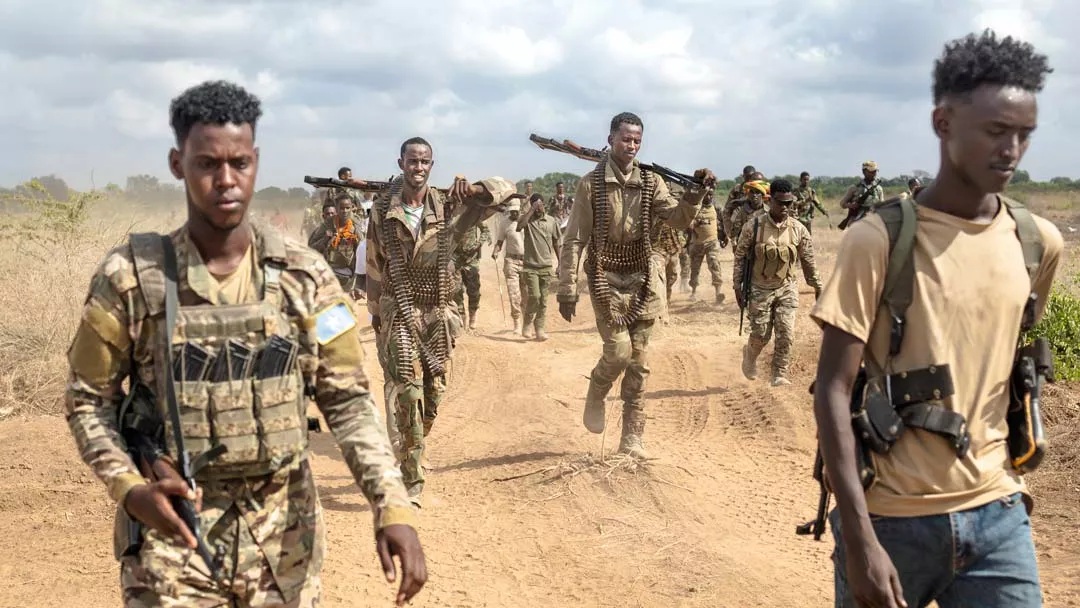
Diplomatic sources indicate that members of the international community are increasingly concerned that the prolonged political dispute could negatively affect Somalia’s fragile security situation, particularly ongoing operations against Al-Shabaab.
Some fears that continued political instability could weaken cooperation between state institutions and undermine international support for Somalia during a critical security period.
International partners, including foreign governments and organizations supporting Somalia, have repeatedly urged Somali leaders to resolve their differences through dialogue, compromise, and inclusive political engagement.
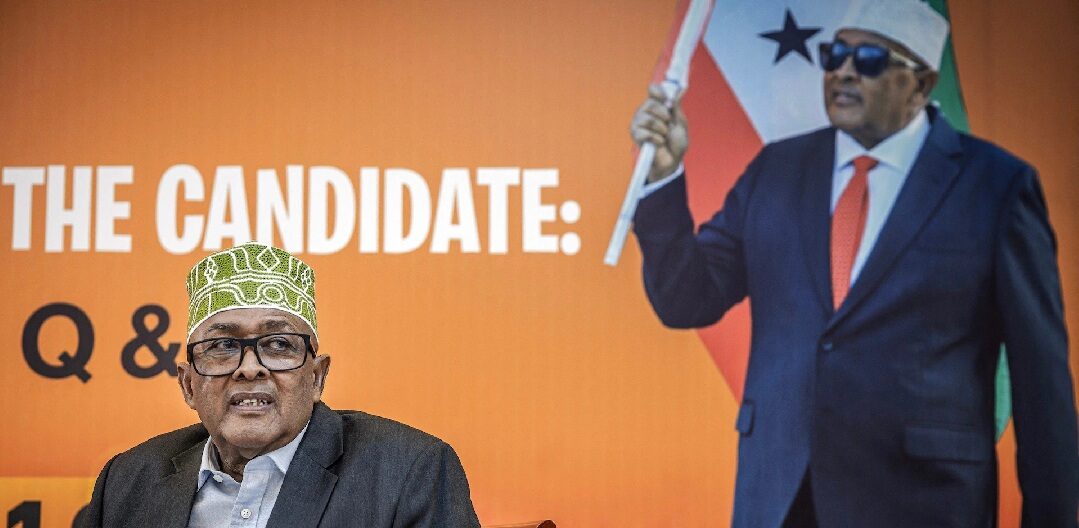
Opposition groups have accused the Federal Government of pursuing unilateral political decisions without adequate consultation, warning that such actions could deepen political divisions. Meanwhile, federal leaders insist they remain open to dialogue while maintaining that Somalia’s state-building and constitutional processes should continue without interruption.
Reports also indicate that representatives of the international community are expected to hold separate consultations with opposition leaders in the coming days to assess opportunities to restart formal negotiations.
The anticipated meetings are expected to produce renewed calls for restraint and appeals to all Somali political actors to avoid actions that could worsen tensions or further destabilize the country.
Political observers say the outcome of these diplomatic efforts could significantly influence Somalia’s political direction in the coming weeks as pressure mounts on all sides to reach a workable agreement.
The renewed involvement of the international community highlights growing concern that Somalia’s political divisions are reaching a critical stage. International partners appear increasingly worried that prolonged disagreements over elections and constitutional reforms could damage security cooperation and distract from the fight against Al-Shabaab.
The decision to engage both the Federal Government and opposition groups separately suggests that foreign actors are attempting to preserve channels of communication while encouraging compromise without formally imposing mediation.
At the center of the dispute are questions about electoral legitimacy, constitutional authority, and political trust. Opposition leaders fear that unilateral decisions by the Federal Government could centralize power, while government officials argue that delaying reforms could stall Somalia’s democratic transition.
The international community’s pressure for dialogue reflects fears that political instability in Mogadishu could have wider consequences for regional security, governance, and international investment in Somalia’s recovery process. Whether these diplomatic efforts can bridge the gap between the parties remains uncertain, but they are likely to play an important role in shaping the next phase of Somalia’s political negotiations.
Categories: Latest News