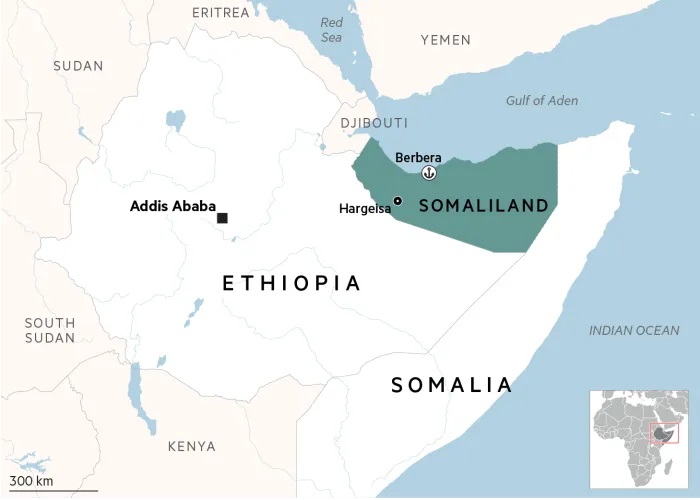
MOGADISHU (SD) – Somali President Hassan Sheikh Mohamud has said that Somalia faced two possible paths in dealing with the Somaliland issue—military force or political dialogue—but ultimately chose negotiation and persuasion as the preferred approach.
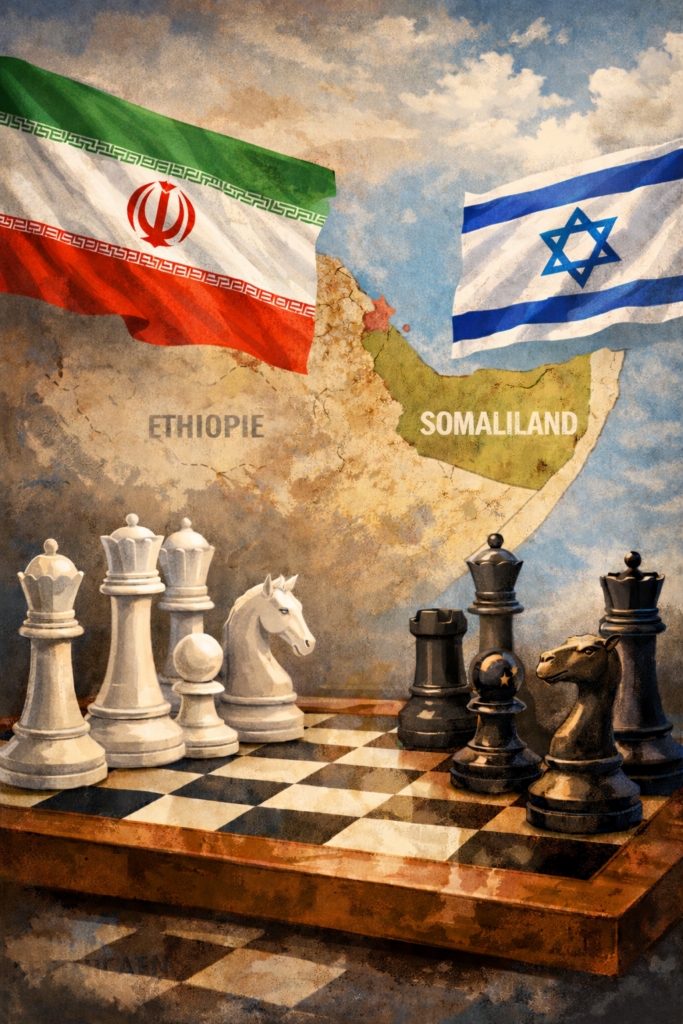
Speaking in an interview with Dawan TV, President Hassan Sheikh described Israel’s recognition of Somaliland in December 2025 as “one of the darkest days in Somalia’s history,” arguing that the move challenged Somalia’s territorial integrity.
“We weighed the two options, and in the end we chose dialogue and persuasion. Although it took more than 30 years, it was the most appropriate path under the circumstances,” the president said.
The Somali leader emphasized that successive Somali governments have refrained from using military force to resolve the dispute with Somaliland, despite continuing to regard Somaliland as part of Somalia.
Addressing relations with Israel, Hassan Sheikh stated that Somalia has never maintained formal diplomatic relations or official cooperation with Israel. While acknowledging Israel’s status as a member of the international community, he reiterated Somalia’s longstanding support for the Palestinian cause.
“We cannot deny the existence of Israel as a state, but we have no relationship or cooperation. Somalia sees Israel as an aggressor against the Palestinian people,” he said.
The president reaffirmed Somalia’s support for a two-state solution to the Israeli-Palestinian conflict, describing it as a position shared by many countries around the world.
Discussing Israel’s recognition of Somaliland, Hassan Sheikh argued that regional geopolitical changes and developments in the Middle East had influenced Israel’s decision to establish closer ties with Somaliland.
According to the president, Israel had previously sought cooperation with Somalia, but Mogadishu declined due to what he described as Somalia’s religious, humanitarian, and political principles.
“They found people who have sought recognition for decades and took advantage of that situation. This is a strategic mistake Somaliland has made and may create unnecessary complications,” he said.
The Somali president concluded by expressing skepticism that Israeli recognition alone would lead to broad international recognition for Somaliland.
“I do not believe this will deliver the recognition Somaliland seeks. After thirty years, I do not think this path will achieve that objective,” he stated.
President Hassan Sheikh’s remarks are significant because they publicly frame Somalia’s Somaliland policy as one based on military confrontation and isolation rather than political engagement. By stating that Somalia considers both force and dialogue, the president sought to highlight Mogadishu’s approach to handling one of the region’s longest-running political disputes.
His comments also reflect growing concern within the Somali government about Somaliland’s expanding international engagement, particularly following Israel’s recognition and the Somaliland administration’s increasing diplomatic outreach.
The president’s criticism of Israel’s role demonstrates how the Somaliland issue is becoming increasingly linked to broader regional and international geopolitical developments. For Mogadishu, foreign recognition of Somaliland is viewed as an alleged challenge to Somalia’s sovereignty and territorial integrity.
From Somaliland’s perspective, however, Israel’s recognition and other international engagements are often presented as evidence that its long-standing quest for recognition is gaining momentum.
The remarks also underline a central reality of the dispute: despite sharp political disagreements, Somalia’s leadership continues to publicly emphasize violence and pressure as the preferred means of resolving differences with Somaliland. Whether future negotiations can bridge the gap between Somalia’s commitment to territorial unity and Somaliland’s pursuit of regaining its independence remains one of the most important political questions in the Horn of Africa.
Categories: Latest News