BRUSSELS (SD)— A senior Saudi official has told a European foreign-policy researcher that the United Arab Emirates played a central role in arranging Israel’s recognition of Somaliland, according to a new publication by the European Council on Foreign Relations (ECFR).
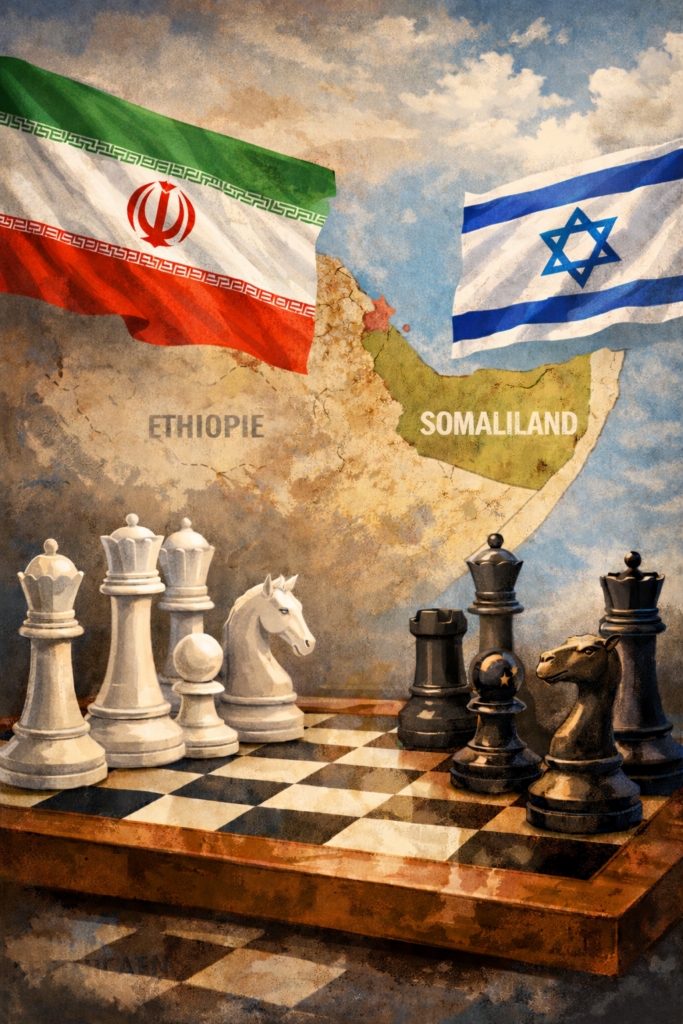
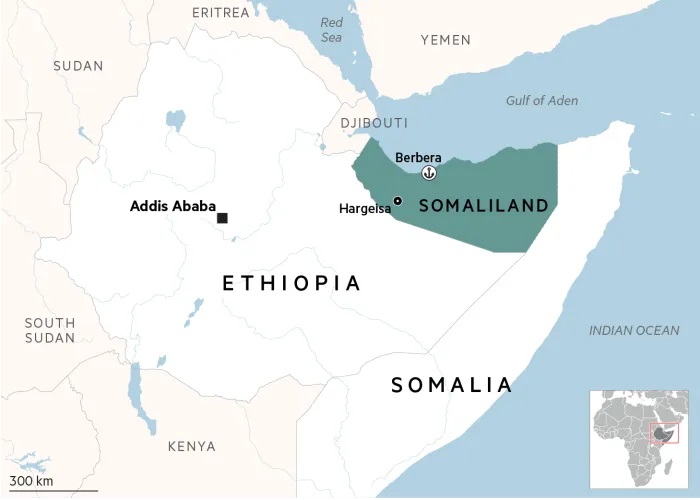
The account, attributed to an unnamed senior Saudi official interviewed by ECFR, claims that Abu Dhabi brokered an arrangement under which Somaliland established relations with Israel in exchange for Israeli security access to the strategic port of Berbera. ECFR reported the allegation as part of its analysis of growing Saudi-UAE competition over influence in the Red Sea and Horn of Africa.
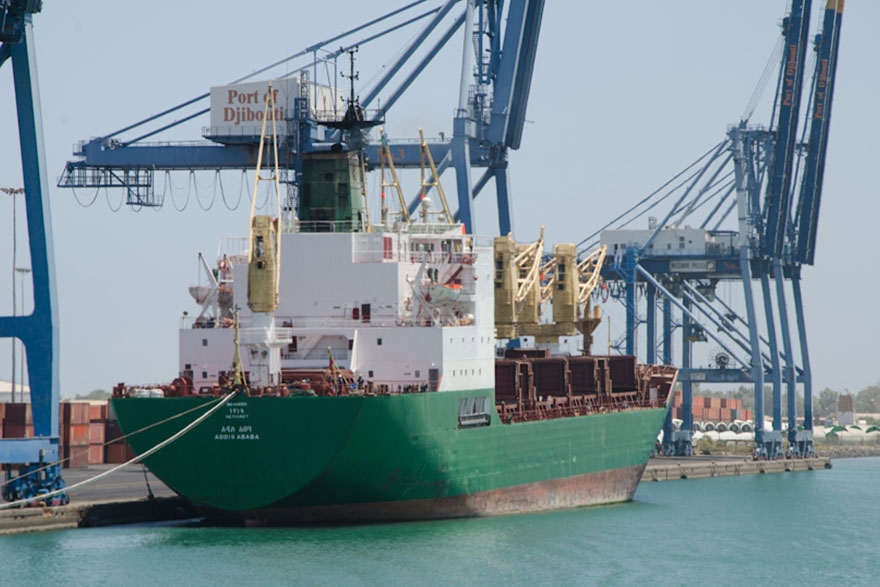
According to the report, Saudi officials believed the UAE was prepared to facilitate an Israeli security presence at Berbera, where the Emirati-owned DP World already operates a major commercial port. The report places the alleged arrangement within a wider Emirati strategy of combining port investments, economic influence and security partnerships across the Red Sea region.
Israel formally recognized Somaliland on December 26, 2025, making it the first country to do so. Somaliland has subsequently sought to build closer political, economic and security relations with Israel, while emphasizing the strategic importance of its location along the Gulf of Aden and near the Bab al-Mandeb maritime corridor.
The ECFR report does not provide documentary evidence establishing that recognition was formally exchanged for security access to Berbera. Rather, the claim reflects the assessment of Saudi officials cited by the organization. ECFR has also reported that many observers believe the UAE helped facilitate contacts between Israel and Somaliland.
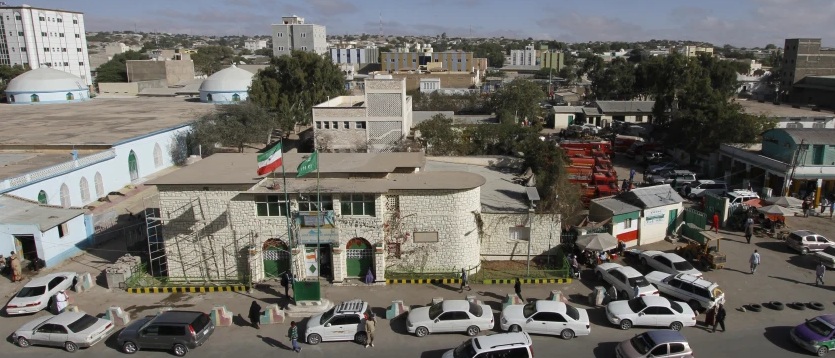
From Somaliland’s perspective, the report could reinforce the strategic importance of Berbera and Somaliland’s geographic position in the Red Sea security environment. Somaliland has long sought to turn its location, port infrastructure and relative stability into stronger international partnerships.
At the same time, the allegation highlights the increasingly intense Saudi-UAE competition for influence in the Red Sea and Horn of Africa. Riyadh’s concerns about an expanding UAE-Israel security partnership could make Somaliland an increasingly important part of a wider regional geopolitical contest.
For Hargeisa, the key issue will be whether growing strategic interest in Somaliland translates into additional diplomatic recognition and investment, rather than leaving Somaliland caught between competing regional powers. The ECFR account therefore adds another significant dimension to the debate over the motivations and geopolitical consequences of Israel’s recognition of Somaliland.
Categories: Latest News