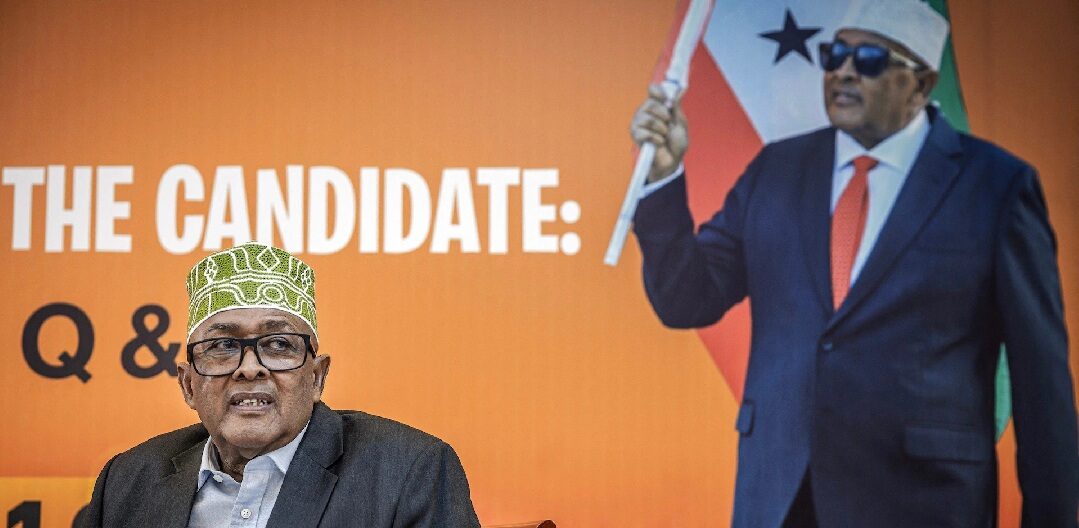
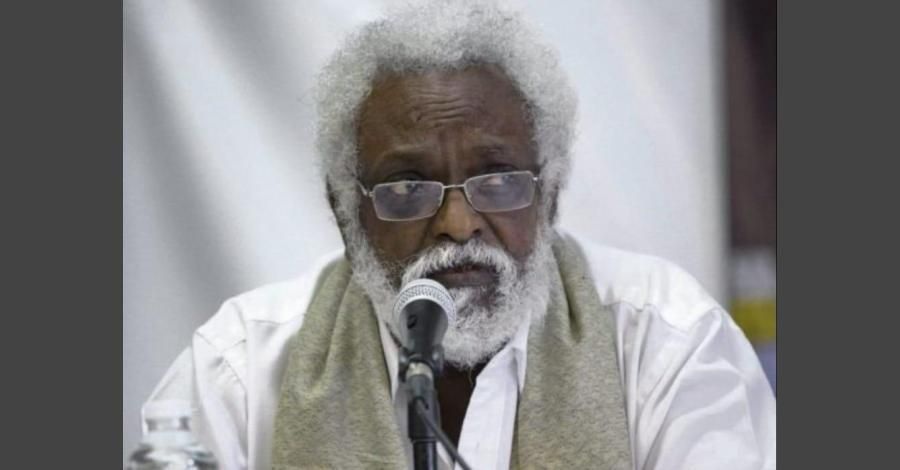
NAIROBI (SD) – Mohamed Abdi Umal has once again launched criticism against Somaliland following reports regarding Somaliland’s diplomatic engagement with Israel and the opening of a representative office in Jerusalem. Speaking from a Mosque in Nairobi, Sheikh Umal warned Somaliland citizens against supporting closer ties with Israel, claiming the move would eventually lead to regret and political consequences.
The sheikh argued that Jerusalem holds deep religious significance for Muslims and claimed that establishing a diplomatic presence there could be interpreted as recognizing Israeli sovereignty over the city.
“Today you celebrate, but in the future you and your children may regret it,” the sheikh said while criticizing efforts to open a diplomatic office in Jerusalem.
However, Somaliland supporters and political observers dismissed the remarks as politically motivated, disconnected from real interpretations of the Holly Quran and Somaliland’s national interests and independent foreign policy objectives.
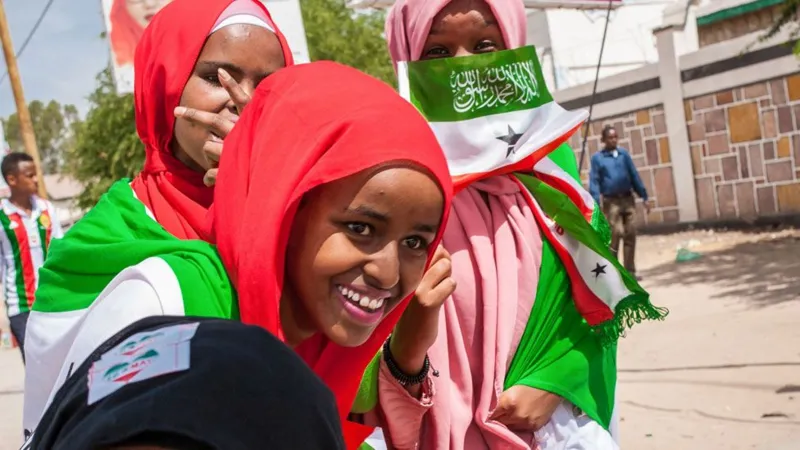
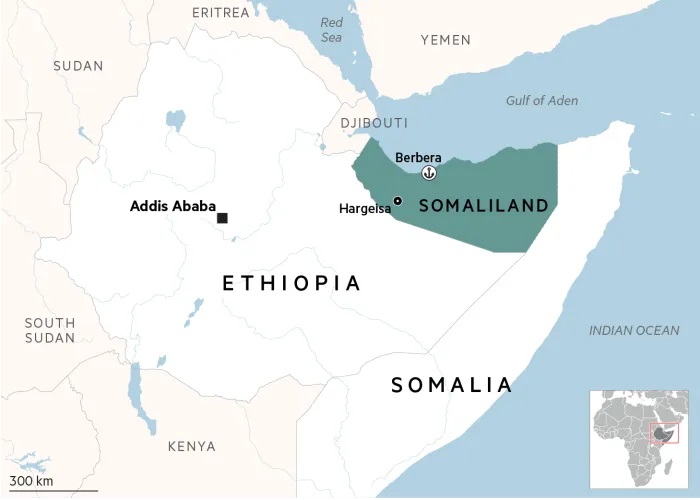
Supporters of Somaliland’s diplomatic outreach argue that the Republic of Somaliland has the right to establish international relations with countries of its choosing as part of its ongoing effort to strengthen global partnerships, attract investment, and secure broader international recognition.
The issue has also sparked wider debate among Somalis regarding Somaliland’s expanding foreign relations and its growing diplomatic visibility on the international stage.
Observers of Sheikh Umal accused him of repeatedly using religious rhetoric to interfere in Somaliland’s political affairs. Some Somaliland supporters also pointed to previous accusations made against the cleric concerning inflammatory political statements and alleged involvement in fundraising linked to tribal conflicts in the Sool region, allegations that remain controversial.
Despite the criticism, there has been little indication that Somaliland authorities intend to reconsider their diplomatic approach or growing engagement with international partners.
From Somaliland’s perspective, Sheikh Umal’s criticism is likely to be viewed not only as opposition to relations with Israel and as a misinterpretation of the Quran, but also as part of broader tribal resistance to Somaliland’s efforts to act as an independent political entity on the international stage.
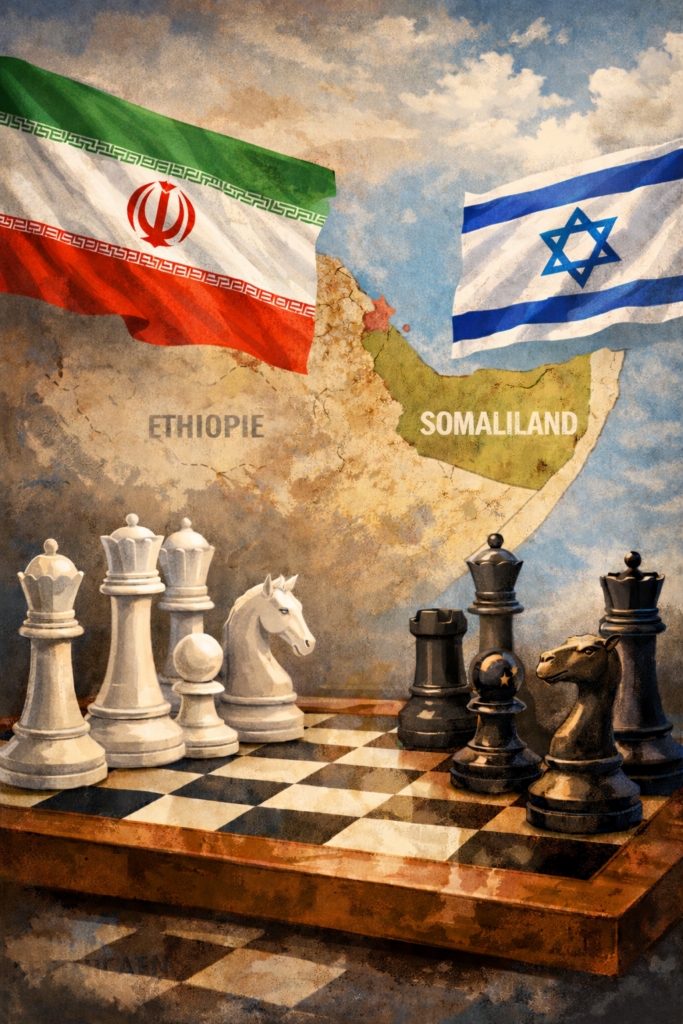
The diplomatic engagement with Israel represents a potentially important strategic move for Somaliland as it seeks stronger international alliances and greater global recognition. Supporters argue that Somaliland’s foreign policy should be guided by true interpretation and adherence to the Holly Quran, its own political and economic interests, rather than external extremist ideological pressures.
At the same time, the Jerusalem issue remains highly sensitive across the Muslim world, meaning Somaliland’s outreach to Israel could trigger criticism from extremist religious figures and political actors in Somalia and beyond.
The strong reactions also reflect the wider political divide between Somaliland and sections of the Somali political and religious establishment. For many in Somaliland, criticism from figures such as Sheikh Umal reinforces arguments that Somaliland should continue pursuing an independent diplomatic path separate from Mogadishu’s political influence.
The debate is likely to continue as Somaliland expands its international engagement and attempts to strengthen its position as a self-governing state seeking wider diplomatic recognition.
Categories: Latest News