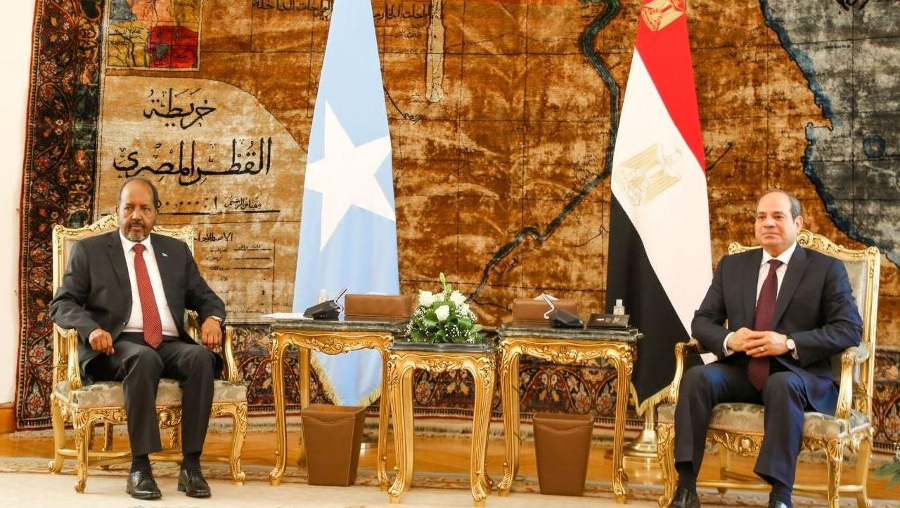
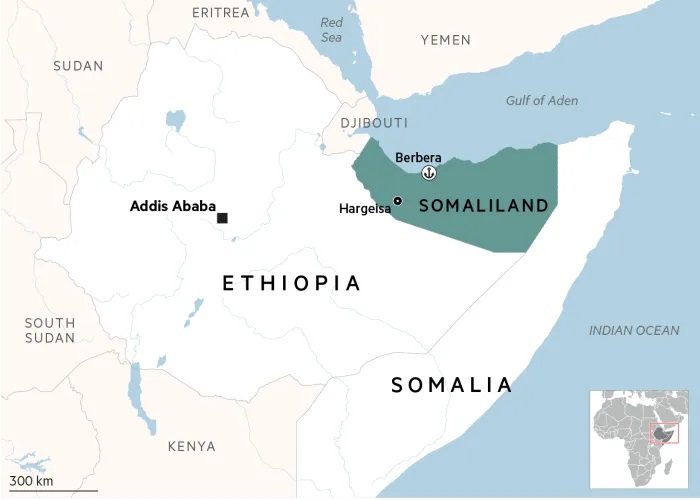
MOGADISHU (SD) — The Federal Government of Somalia has strongly condemned Israel’s reported move to appoint an ambassador to Somaliland and begin construction of a diplomatic mission in Hargeisa, describing the actions as violations of Somalia’s sovereignty and territorial integrity.
In a statement, Somalia’s Ministry of Foreign Affairs and International Cooperation said the appointment and the groundbreaking ceremony for a building described as an Israeli embassy had taken place without the consent of the federal government.
The ministry declared the measures “null and void” and said they had no legal effect, maintaining that Hargeisa and the northwestern region remain integral parts of the Federal Republic of Somalia.
Mogadishu argued that the establishment of diplomatic relations and the opening of permanent diplomatic missions require the consent of the sovereign state concerned, citing the Vienna Convention on Diplomatic Relations. It said no unilateral action could override that requirement or alter the internationally recognized status of Somali territory.
The statement also linked Israel’s latest moves to its recognition of Somaliland in December 2025, which Somalia described as illegal. It said the recognition had been rejected by the African Union, the Intergovernmental Authority on Development (IGAD), the Arab League and the Organization of Islamic Cooperation.
Somalia further warned that developments could increase tensions in the Red Sea and Gulf of Aden, arguing that actions which encourage division and disregard internationally recognized borders risk aggravating an already fragile regional security environment.
The federal government called on Israel to reverse the measures immediately and urged other governments and international organizations not to take steps that could give them legitimacy.
Mogadishu said it reserved the right to pursue diplomatic, political and legal measures, in accordance with international law, to defend Somalia’s sovereignty, unity and territorial integrity.
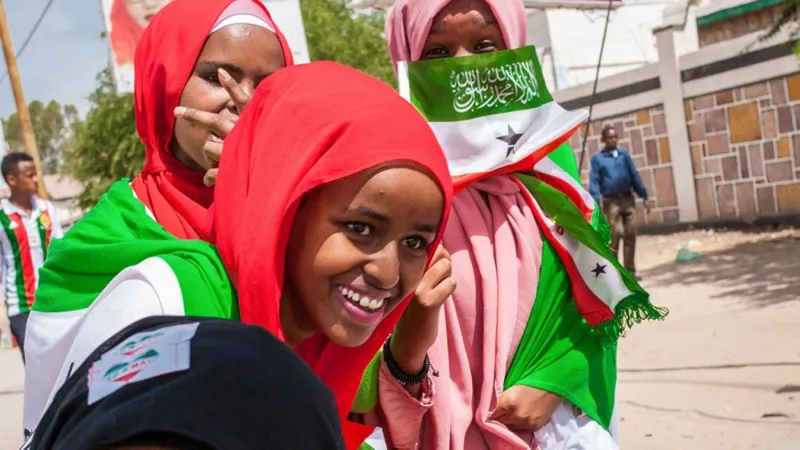
From Somaliland’s perspective, however, the objection does not alter its position that it is an independent and self-governing state entitled to establish diplomatic relations with other countries. Hargeisa has previously described Somalia’s objections to its relations with Israel as legally unfounded and lacking historical basis, arguing that its foreign policy decisions are determined by its own government.
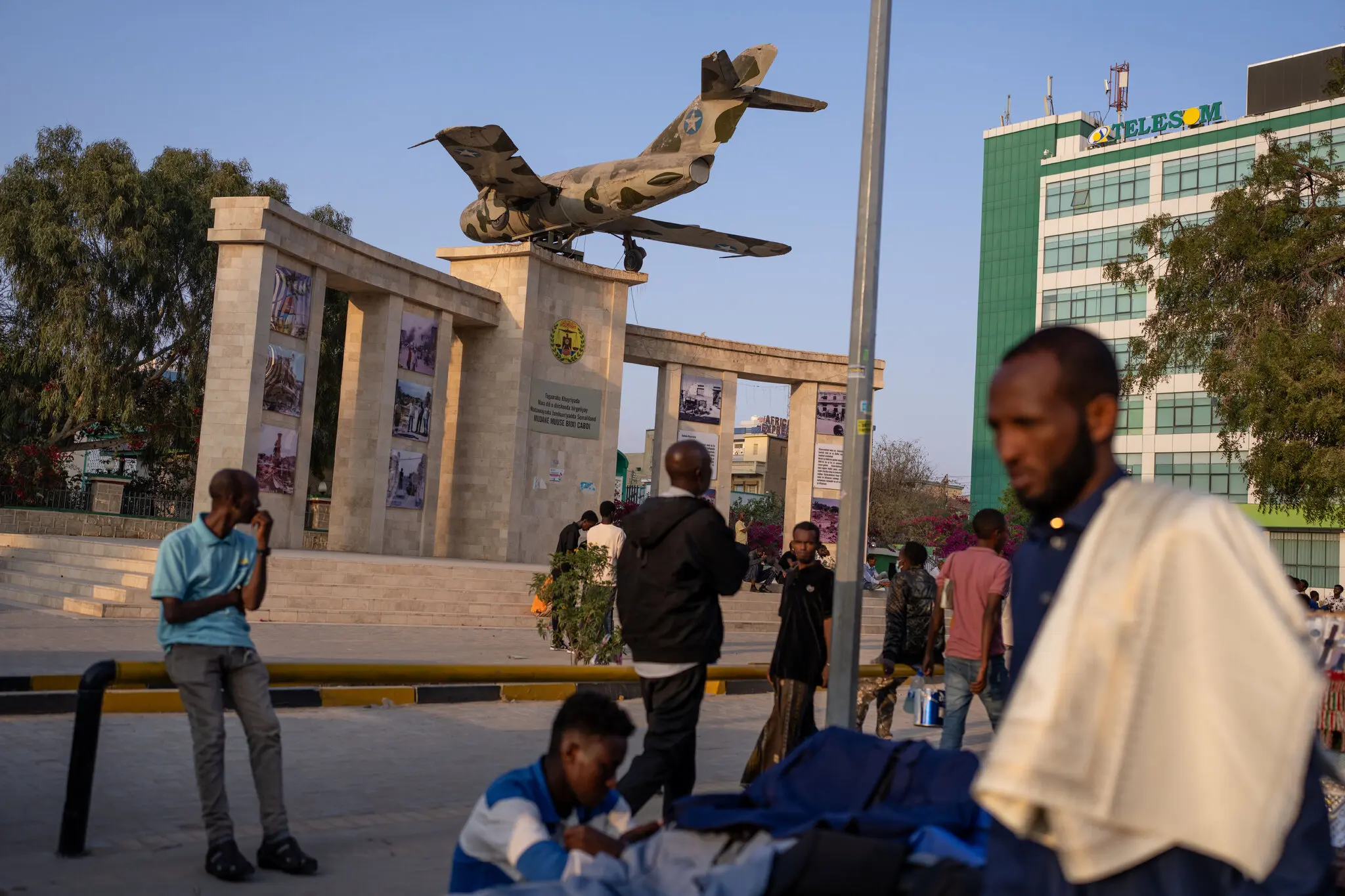
Somaliland’s position is rooted in its declaration of independence in 1991, following the collapse of the Somali central government. Its leaders argue that the former British Somaliland became independent on June 26, 1960, before entering into a union with the former Italian-administered territory, and that the 1991 declaration restored its earlier sovereignty. Somaliland has since maintained its own government, parliament, security forces and other state institutions.
Israel, meanwhile, has defended its right to establish diplomatic relations with Somaliland. Following Israel’s recognition of Somaliland on December 26, 2025, Israeli Foreign Minister Gideon Sa’ar said that no country could determine which states Israel recognises or with which governments it maintains diplomatic relations.
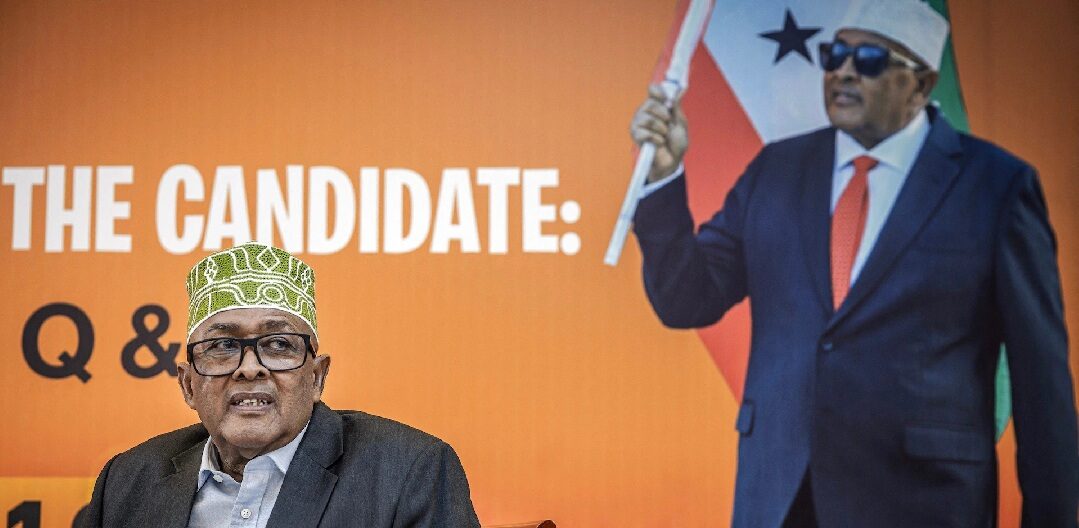
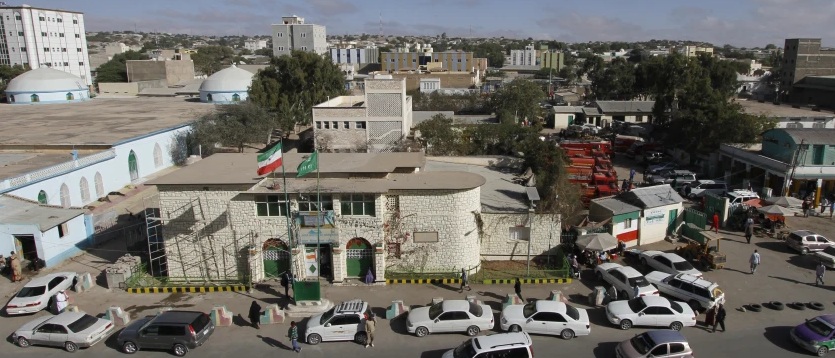
Israel’s latest diplomatic steps follow the appointment of veteran diplomat Michael Lotem as its ambassador to Somaliland. The Israeli Foreign Ministry said Lotem presented his credentials to President Abdirahman Mohamed Abdullahi, known as Irro, and confirmed the beginning of the process to establish a permanent diplomatic presence in Hargeisa.
Somaliland’s presidency welcomed the developments as a milestone in implementing the diplomatic relationship between the two sides. President Irro has called for cooperation in trade, investment, infrastructure, security and technology, while Israel’s ambassador has expressed his intention to translate the relationship into practical benefits in areas including defence, healthcare, education and commerce.
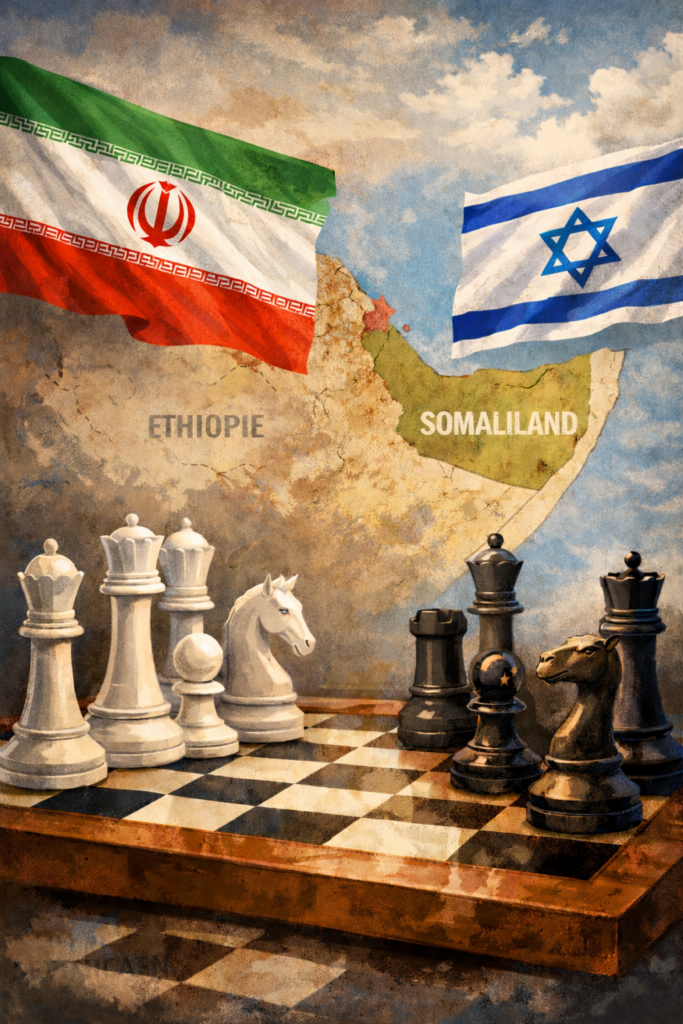
For Israel, the partnership also carries strategic importance. Somaliland’s position along the Gulf of Aden, close to the Bab el-Mandeb maritime passage and the Red Sea, makes it a potentially valuable partner in regional security and maritime cooperation. The relationship comes amid growing concerns over threats to international shipping and instability around the Red Sea.
Somalia’s objection has nevertheless highlighted the diplomatic challenges facing the partnership. Mogadishu has urged the African Union, IGAD, the Arab League, the Organization of Islamic Cooperation and other international bodies to reject Israel’s actions. The African Union continues to support Somalia’s territorial integrity and has not recognised Somaliland as an independent state.
Despite the opposition, Somaliland and Israel appear determined to advance their bilateral relationship, with the appointment of ambassadors and plans for diplomatic missions marking a new phase in their engagement.
The dispute also has broader regional implications. Somaliland’s location along the Gulf of Aden, near the strategic Bab el-Mandeb maritime corridor, gives its external partnerships significance beyond the question of recognition. Israel’s engagement with Hargeisa is therefore likely to attract attention from regional governments concerned about security, maritime access and competing geopolitical interests.
Ultimately, the disagreement highlights the widening gap between Somalia’s position on territorial integrity and Somaliland’s pursuit of independent international relations. It could intensify diplomatic tensions unless both sides and their international partners find ways to manage the dispute without further destabilizing the Horn of Africa.
Categories: Latest News