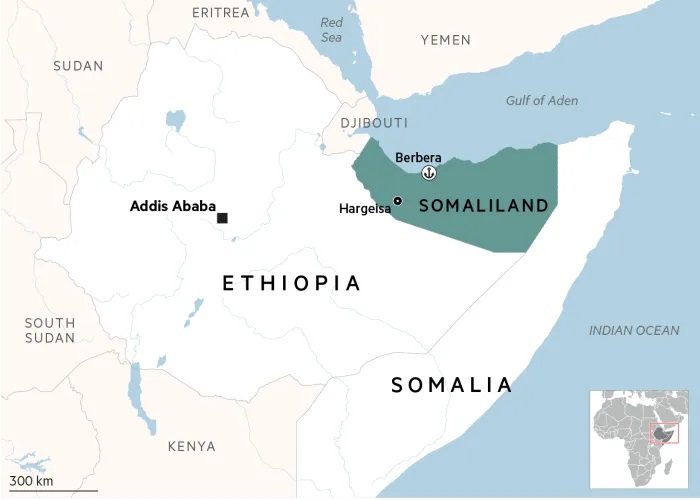
WASHINGTON (SD) — Somaliland’s campaign for international recognition has received renewed attention in Washington after U.S. Senator Ted Cruz linked his support for President Donald Trump’s nominee for ambassador to Somalia to the State Department taking steps toward recognizing Somaliland’s independence.
Cruz, a Republican senator from Texas, has called on the Trump administration to act on the president’s recent description of Somaliland as a country separate from Somalia. In a post on X, he argued that the State Department should follow the president’s position, including moving toward formal diplomatic recognition.
The senator’s intervention followed a November 10 Senate Foreign Relations Committee hearing involving Devin Kennington, Trump’s nominee for U.S. ambassador to Somalia. During the hearing, Cruz questioned Kennington about Somaliland’s status and urged Washington to recognize its independence.
Kennington acknowledged that Somaliland has a different political and security situation from other parts of Somalia and identified its strategic location, commercial opportunities and position on China as important U.S. interests. He also expressed support for stronger American engagement with Somaliland but maintained that existing U.S. policy recognizes Somalia’s sovereignty and territorial integrity.
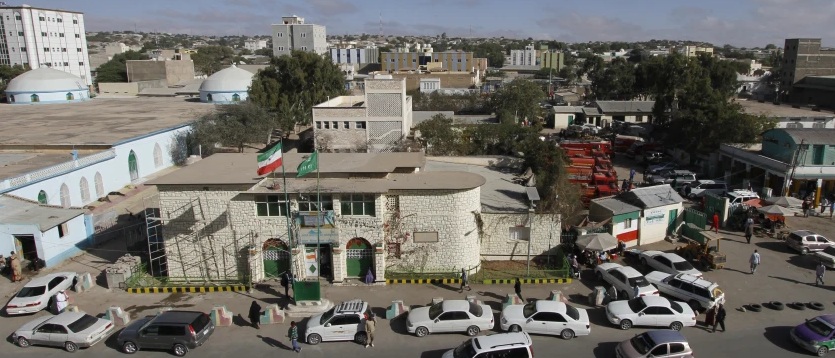
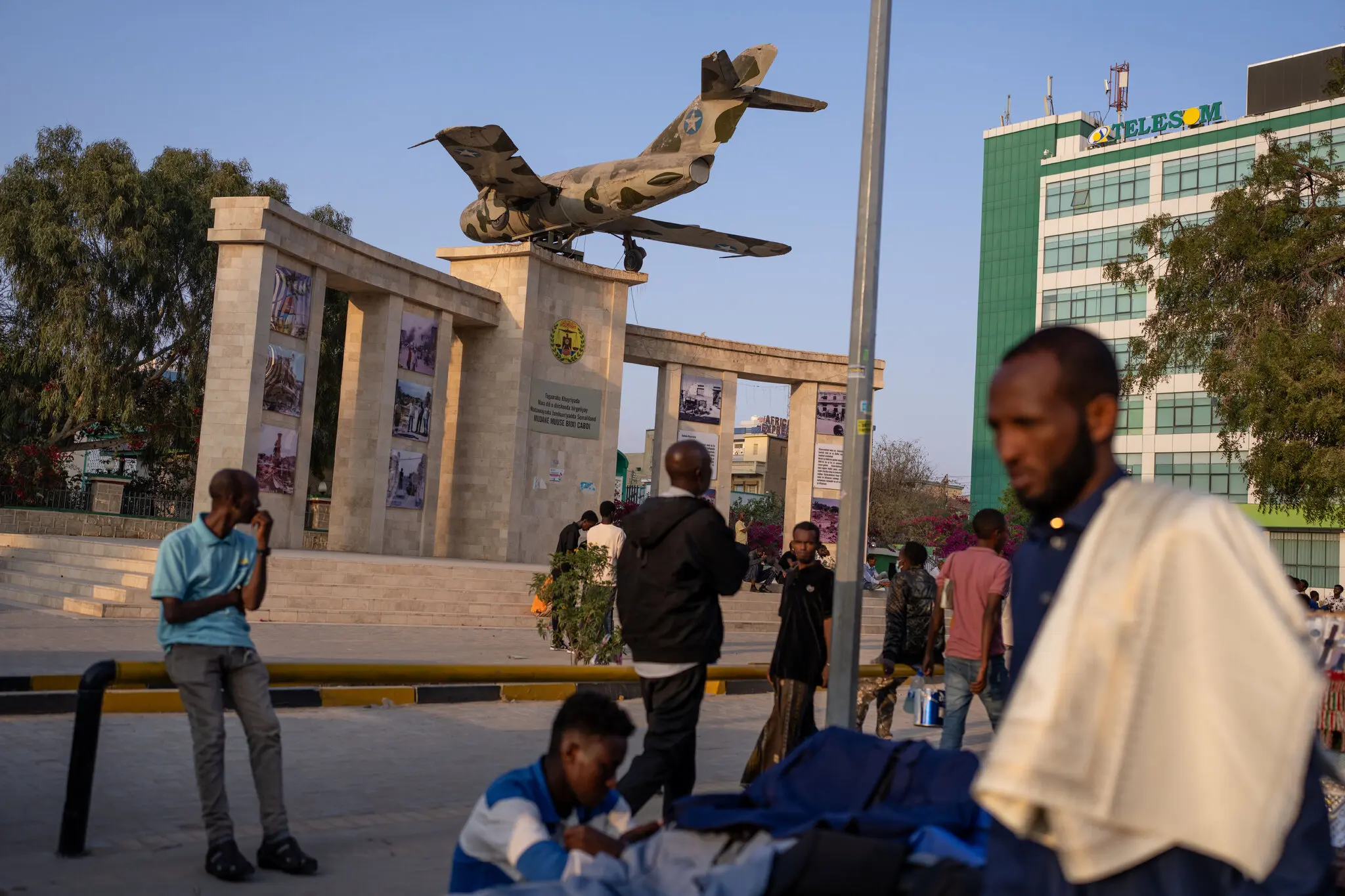
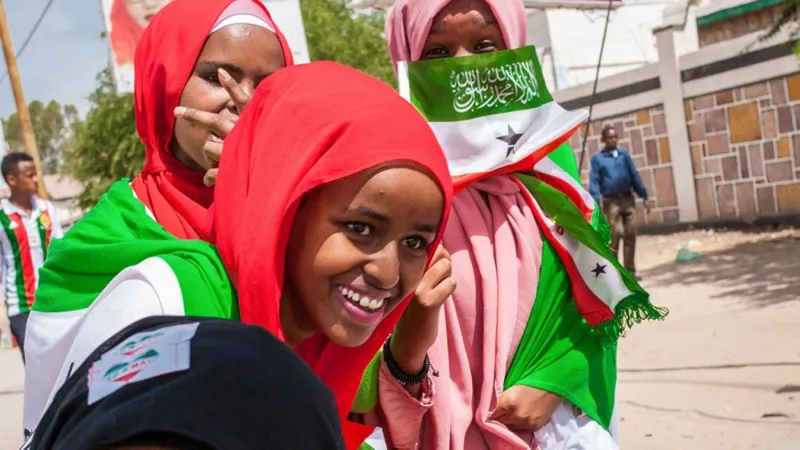
For Somaliland, Cruz’s intervention represents another opening in its long-running effort to secure international recognition. Since declaring the restoration of its independence in 1991, Somaliland has maintained its own government, security forces and currency, while holding elections and developing diplomatic and economic relationships abroad.
The China factor is also becoming increasingly important in the debate. Somaliland maintains close relations with Taiwan, a relationship that has drawn strong opposition from Beijing under its One China policy. China supports Somalia’s territorial integrity and has opposed moves that could strengthen Somaliland’s international standing.
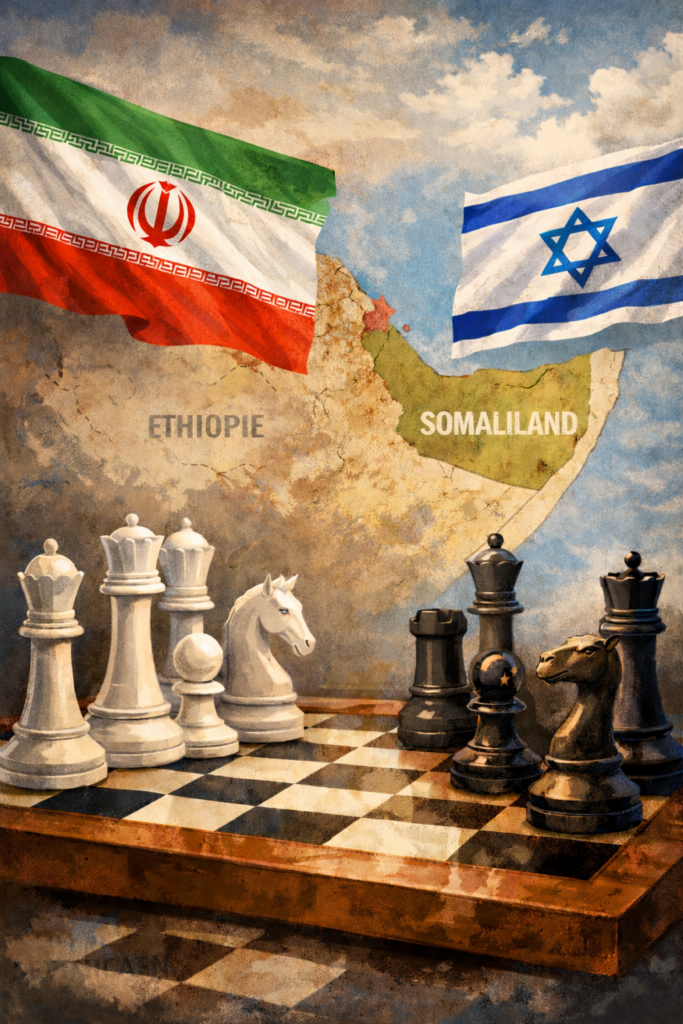
For Washington, Somaliland’s relationship with Israel, Taiwan and its willingness to cooperate with the United States could make Hargeisa an important partner in the wider competition with China for influence in the Horn of Africa. In September 2025, U.S. Representatives Chris Smith and John Moolenaar urged Secretary of State Marco Rubio to distinguish Somaliland from Somalia in American travel guidance, citing its self-government, democratic institutions and efforts to counter Chinese influence in the region.
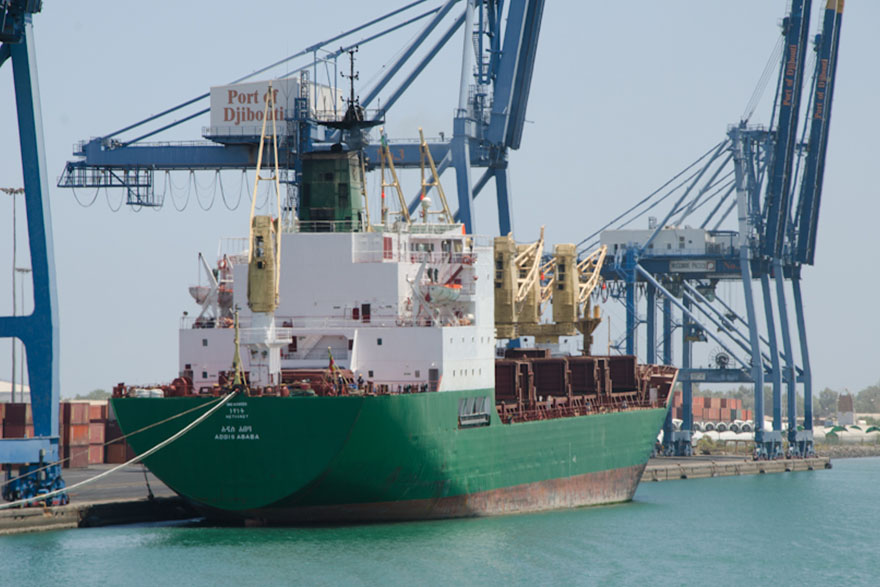
Somaliland’s location along the Gulf of Aden, close to major international shipping routes connecting the Red Sea and the Indian Ocean, adds another strategic dimension. Supporters of recognition argue that closer ties with Hargeisa could strengthen American interests in maritime security, regional stability and commercial access.
However, Cruz’s position does not amount to a change in official U.S. policy. Kennington’s confirmation hearing showed that the State Department continues to recognize Somalia’s territorial integrity, even as it considers expanding engagement with Somaliland. Formal recognition would therefore require a clear decision by the Trump administration.
From Somaliland’s perspective, Cruz’s intervention brings its independence campaign closer to the Centre of U.S. foreign policy discussions. The China angle gives Washington an additional strategic reason to consider closer relations with Hargeisa, particularly because of Somaliland’s ties with Israel, Taiwan and its location near vital shipping routes. However, Somaliland’s recognition campaign remains tied to wider regional and diplomatic considerations, including U.S. relations with Somalia and Beijing’s opposition. The immediate significance of Cruz’s move is that it has placed the recognition question directly before the administration; whether that pressure produces a formal policy change remains uncertain.
Categories: Latest News