MOGADISHU (SD)– The Council of Ministers of the Federal Republic of Somalia, in a session today chaired by Deputy Prime Minister Salah Ahmed Jama, has annulled all agreements and memoranda of understanding signed between the Somali government and the United Arab Emirates related to bilateral security and defense cooperation.
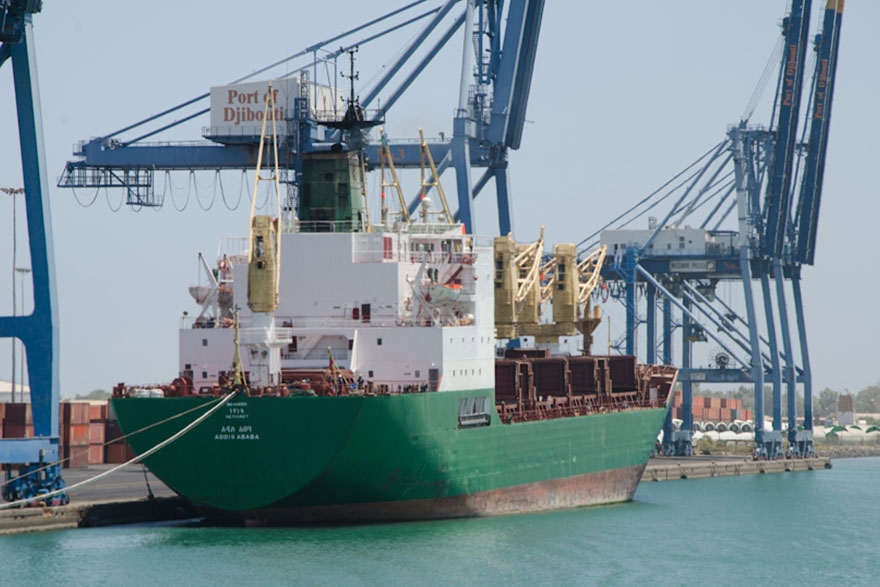
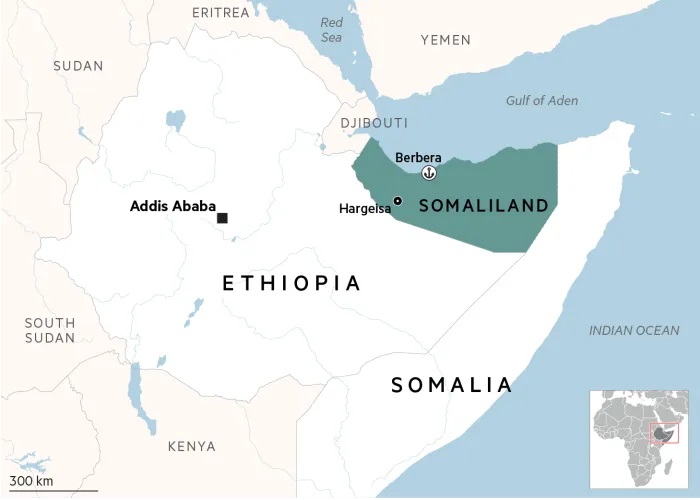
This decision affects all agreements and partnerships concerning the ports of Berbera, Bossaso, and Kismayo. The move is linked to strong reports and evidence regarding actions deemed harmful to the national sovereignty, unity, and political independence of the Federal Republic of Somalia.
The Somali government alledges that it is reaffirming its responsibility and sovereign rights over its territory, its ports, its security affairs, and its foreign relations.
The Council of Ministers also approved the Legal Framework for the Protection of the Sovereignty and Territorial Integrity of the Federal Republic of Somalia, the Policy Framework for Decentralization, the regulations for the National Disaster Risk Management Fund (NDRMF), and the regulations for the Corporate Services Law.
The Legal Framework for the Protection of Sovereignty and Territorial Integrity, comprising over a dozen articles, prohibits any agreement between regional administrations, sub-entities, or private organizations with any foreign party without the prior knowledge, authorization, and approval of the Federal Government of Somalia, and without the involvement of the relevant federal ministry overseeing the subject of such an agreement.
it is worth noting that Somalia’s federal Government does not control or support the country’s territories except in parts of Mogadishu with the help of Africa Union forces.
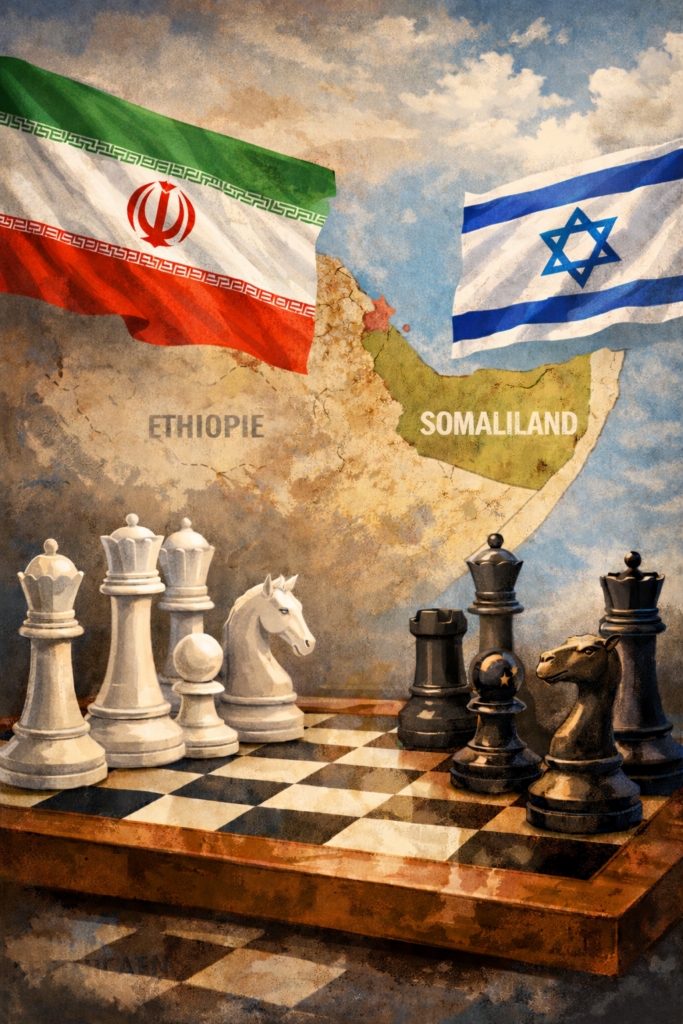
This decision comes at a time when the Somali government has failed to persuade the country’s regional states to extend President Hassan Sheikh’s term or to conduct unconstitutional elections. The Mogadishu government has also failed in its efforts to convince the international community to reverse the restoration of independence by the Republic of Somaliland, which was recently fully recognized by Israel.
The unilateral annulment of all bilateral agreements, particularly those concerning strategic ports ( Bossaso, Kismayo), is a declaration of economic war against the Federal States of Puntland, Jubaland and the UAE. This is not a minor dispute; it’s a fundamental severing of a key strategic partnership. It follows the airspace ban and confirms Somalia has chosen to fully align with the Saudi-led axis in the Gulf rivalry, at the cost of Somalia and its relationship with Abu Dhabi.
Annulling the UAE deal is also a proxy strike against Somaliland. The UAE is a key economic and potential political partner for Hargeisa. By trying to cripple UAE operations, Mogadishu hopes to isolate Somaliland economically and pressure Abu Dhabi to abandon its tacit support. However, this is a high-risk strategy that may instead push the UAE and Somaliland into a tighter, more formal alliance against Mogadishu.
This is the most aggressive and risky foreign policy move by the FGS in years. It is a full-scale realignment away from the UAE and towards Saudi Arabia, coupled with a bold attempt to crush federalism and centralize all foreign dealings under Mogadishu. It is a gamble that the benefits of Saudi patronage and centralized control outweigh the costs of losing the UAE, provoking federal states, and potentially accelerating Somaliland’s Independence and further separation Puntland and Jubaland.
Categories: Latest News