
MOGADISHU (SD) — The departure of U.S. Chargé d’Affaires ad interim Justin Davis from Mogadishu comes at a time when Washington appears to be reassessing how it engages with Somalia, raising questions about the future direction of American policy in the Horn of Africa.
Davis assumed the role of acting head of the U.S. diplomatic mission in January 2026, succeeding Ambassador Richard Riley. Before taking over as chargé d’affaires, Davis served as the embassy’s Deputy Chief of Mission.
During his tenure, Davis repeatedly emphasized that Somalia’s political future should ultimately be determined by Somalis themselves. In a May interview, he stressed the importance of dialogue and a peaceful resolution of political disputes rather than external actors dictating how Somalia should choose its leadership.
That position reflects what appears to be an increasingly cautious American approach to Somalia’s internal politics. Rather than taking responsibility for determining the country’s political direction, Washington has sought to encourage Somali leaders and political actors to resolve their differences through negotiations.
U.S. policy continues to focus heavily on countering Al-Shabaab, strengthening security cooperation, disrupting terrorist financing and addressing migration. At the same time, American diplomats have expressed concern that political disagreements between the federal government, federal member states and opposition groups could undermine security efforts.
The concern is particularly significant because Somalia’s political disputes have increasingly become intertwined with security. Washington has warned that continued political confrontation could distract government institutions and security forces from the campaign against Al-Shabaab.
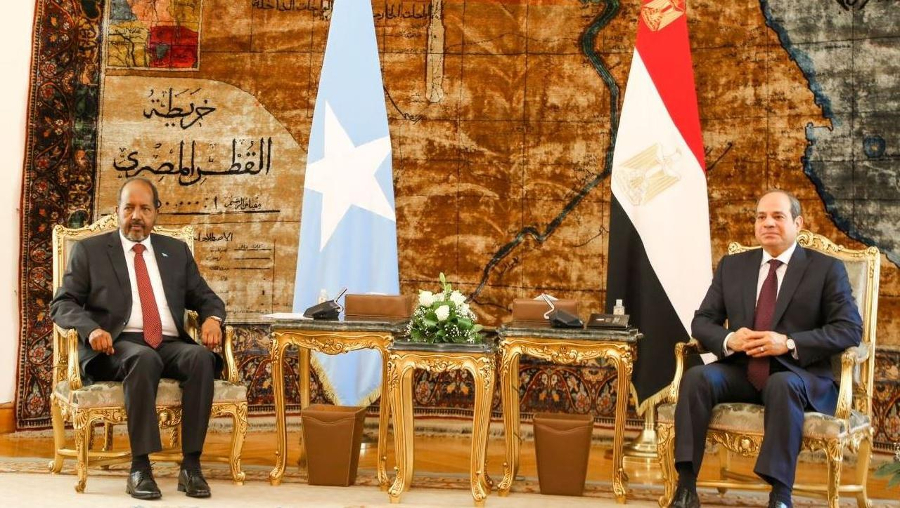
Davis’s departure also comes as Somalia’s external partnerships are becoming increasingly competitive. Turkey, China and the United Arab Emirates have expanded their political, economic and security relationships with Mogadishu, giving Somalia a wider range of international partners and reducing the extent to which Washington can shape developments through diplomatic and security assistance alone.
The changing environment presents a challenge for U.S. policymakers. Washington remains an important security partner for Somalia, particularly in counterterrorism, but its ability to influence Somalia’s political trajectory depends increasingly on whether Somali political actors themselves can reach agreements over elections, constitutional issues and relations between the federal government and regional administrations.
The central message emerging from Washington is therefore one of partnership rather than political ownership: the United States remains a supporter and friend of Somalia, but responsibility for the country’s political future rests primarily with the Somali people and their leaders.
Justin Davis’s departure leaves behind an important question: is Washington moving away from an interventionist role in Somalia’s political disputes and toward a more interest-based partnership?
The shift could give Somali political actors greater responsibility for resolving their own differences, but it also means Washington may become less willing to mediate every political confrontation. For Somalia, that places greater pressure on the federal government, opposition and regional states to reach compromises without expecting external powers to determine the outcome.
At the same time, the growing influence of Turkey, the UAE and China means the United States is operating in an increasingly competitive geopolitical environment. Washington’s future Somalia policy may therefore be less about managing Somali politics and more about protecting specific American interests—counterterrorism, regional security, migration and stability along the Red Sea and Gulf of Aden.
Categories: Latest News


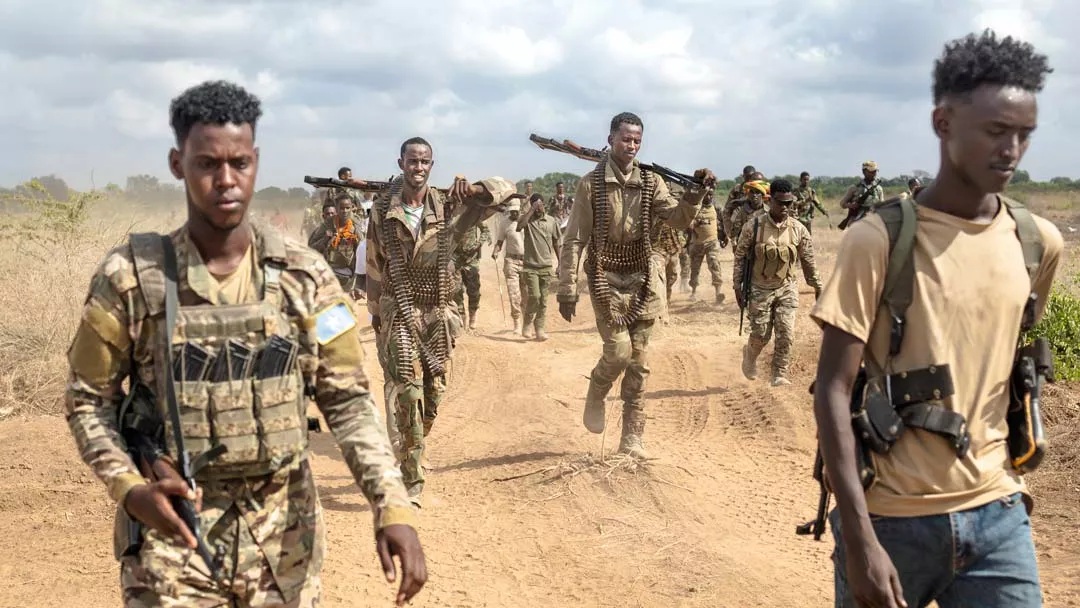

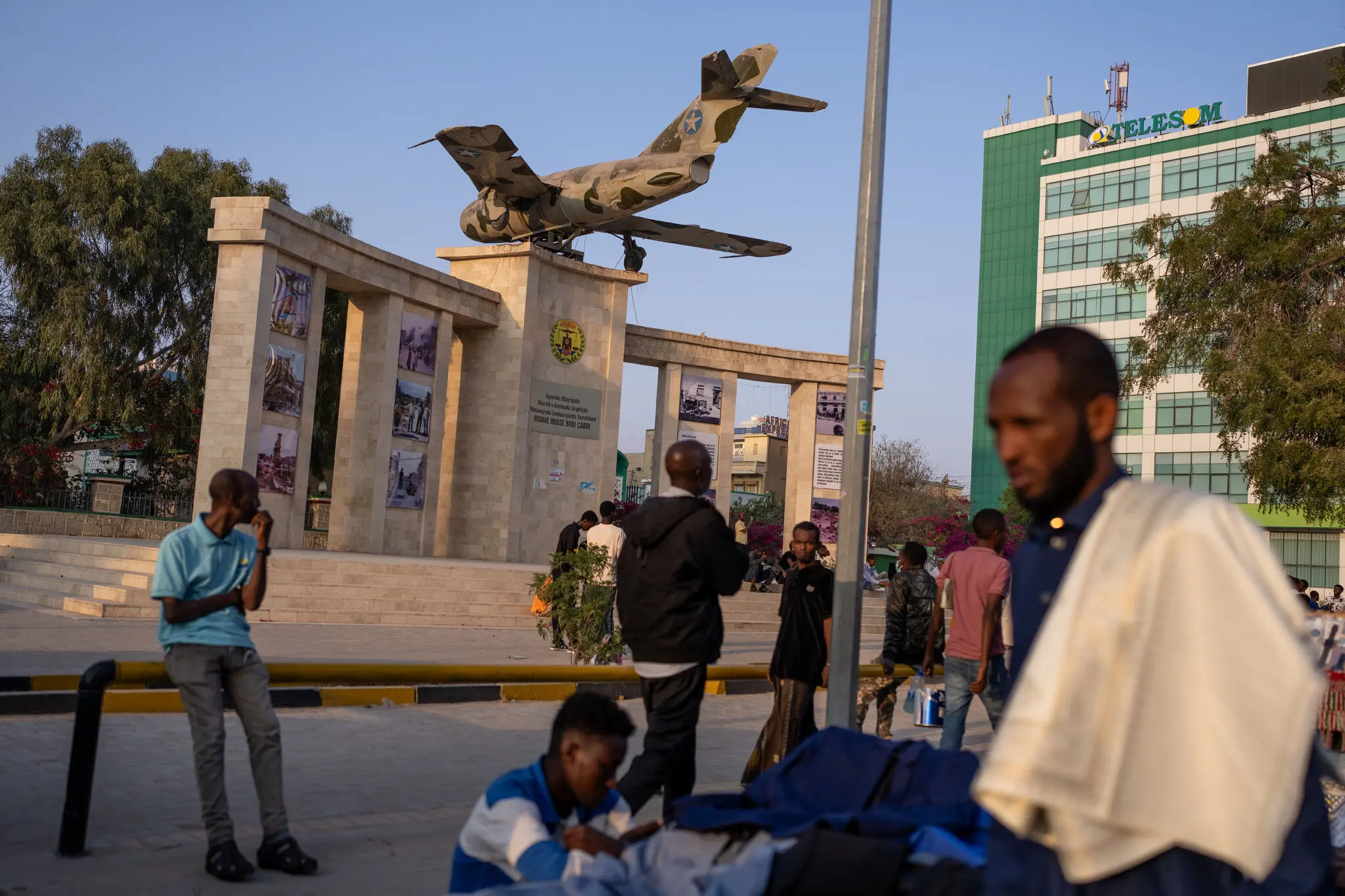






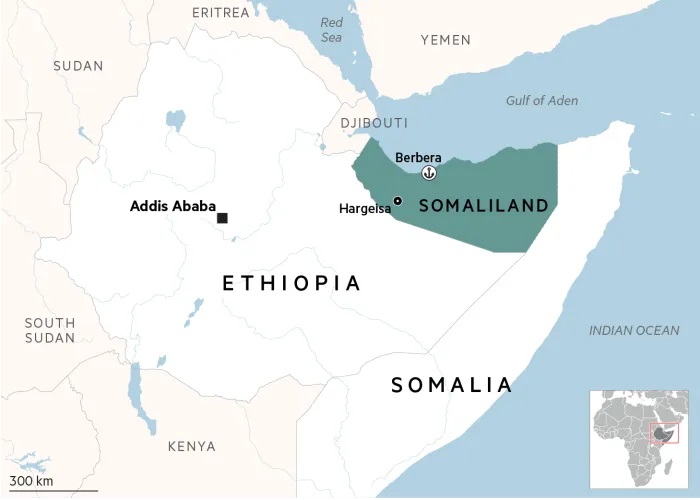
The departure of the top diplomatic official in Somalia is an indicative of modification of US policy towardds Somalia. Since the collapse of the central government in Somalia in 1989, the US government has had supported every government in Somalia. And without a tangible outcome both locally and internationally. Nothing is more dispicable than President of federal state of Somalia’s visit to a trainning military camp in “Gal-mudug” where 5000 recruits aimed to destablise Somaliland, were being trainned. At time when Mogadishu authorites urging the AU for a replacement of its departing troops. Contrastingly, the Somaliland President currently visiting the US has offered 2000 troops to join the stablization force in GASA.