MOGADISHU (SD) — The United Kingdom’s Ambassador to Somalia, Charles King, has described his posting in Mogadishu as one of the world’s most challenging diplomatic assignments, citing ongoing security threats and stringent operating conditions.
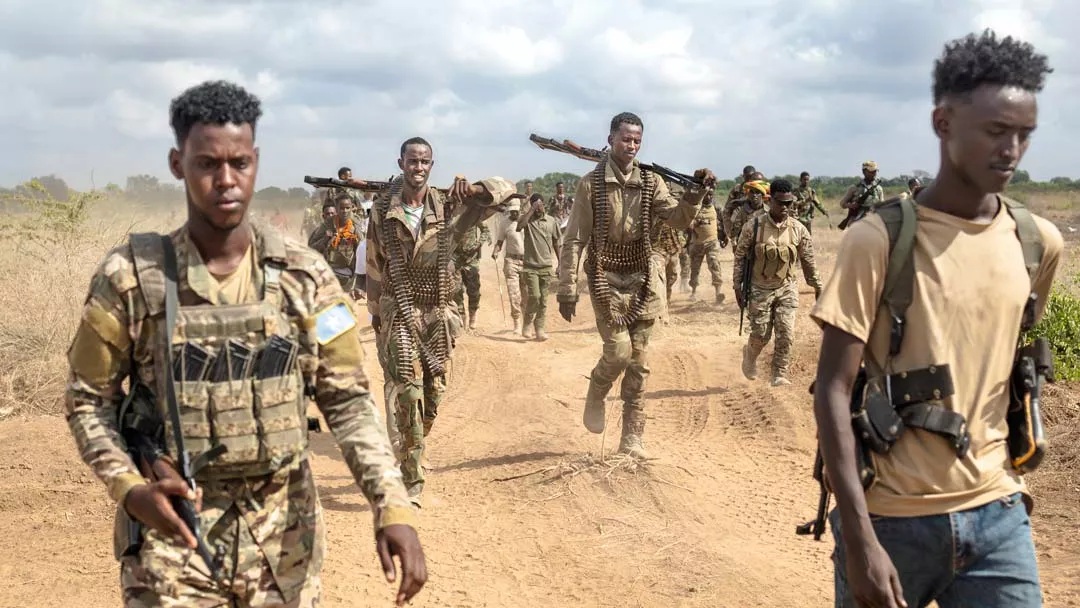
King said embassy work is conducted under heavy protection, with close coordination between the United Kingdom, the Federal Government of Somalia, the African Union, and the United Nations to counter groups such as Al-Shabaab and support stability.
He noted that while progress has been made, it remains fragile. Despite challenges, diplomatic engagement continues, with the UK maintaining its presence as part of broader international efforts to support Somalia’s recovery.
The ambassador’s comments underline a contradiction at the heart of international engagement in Somalia: sustained diplomatic presence alongside extreme insecurity. Describing Mogadishu as one of the most dangerous postings raises questions about how effective diplomacy can be when movement, access, and interaction are heavily restricted.
There are also signaling effects. By emphasizing threats from groups like Al-Shabaab, the statement reinforces Somalia’s image as a high-risk environment, which may deter investment and slow economic recovery. At the same time, it justifies continued international security involvement, potentially prolonging reliance on external actors rather than accelerating self-sufficiency.
For the Federal Government of Somalia, such remarks are double-edged: they validate ongoing security challenges but risk undermining perceptions of state control and progress. This can weaken public confidence domestically and complicate efforts to assert sovereignty.
Finally, the gap between “fragile progress” and persistent danger suggests that gains may not yet be structurally durable. If international partners scale back or shift priorities, Somalia could face setbacks, exposing how dependent current stability remains on external support rather than resilient internal institutions.
Categories: Latest News