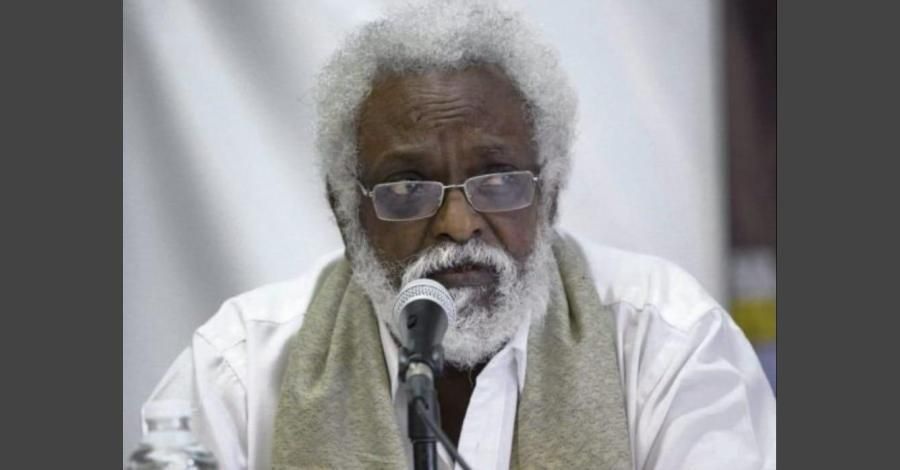
MOGADISHU (SD)— United Nations human rights experts have criticised the Somali government for removing Chief Justice Bashe Yusuf Ahmed. They have called for his immediate return to office.
In a statement issued on November 12, 2026, the experts warned that the president’s decision threatens the independence of Somalia’s courts. They said a judge can only be removed for serious reasons, such as misconduct or being unfit for the job. The judge must also be given a fair hearing.
President Hassan Sheikh Mohamud removed Bashe on November 4 without approval from Parliament or the relevant legal authorities. A court later ruled that the removal was illegal. However, the president appointed a new chief justice on November 7.
The dispute began before a Supreme Court ruling on constitutional changes that extended the terms of the president and lawmakers from four years to five.
On November 5, five Supreme Court judges ruled that the extension was illegal. They said the leaders’ terms had ended and called for new elections within 90 days.
The government rejected the ruling. Hundreds of armed soldiers were sent to surround the Supreme Court. The personal security guards of seven judges were also withdrawn, and the judges were reportedly placed under travel restrictions.
The UN experts have called on the government to remove the soldiers from the court and restore the judges’ security protection. They warned that political interference in the courts could increase instability and weaken the fight against Al-Shabaab.
President Hassan Sheikh’s office defended the removal of Bashe. It said complaints from legal workers led to his dismissal. The presidency also argued that the extra year in office is needed to prepare for elections in 2027.
The dispute has become a major test of Somalia’s political and legal system. The Supreme Court ruling challenged the government’s decision to extend its time in office. The president’s rejection of that ruling has raised serious questions about respect for the law.
The UN statement adds international pressure on the Somali government. It also highlights concerns about the safety and independence of judges.
The biggest risk is that the political dispute could lead to further confrontation. At a time when Somalia is fighting Al-Shabaab, the government and opposition need to find a peaceful solution.
Without an agreement on the courts and the election process, the country could face a deeper political crisis.
Categories: Latest News