WASHINGTON — The United States is warning that Al-Shabaab and other jihadist groups operating in Africa are becoming increasingly interconnected, raising concerns that militant networks could eventually extend their operations beyond their traditional areas of activity.
U.S. Africa Command (AFRICOM) says it is closely monitoring links between jihadist organizations, including the movement of money, personnel, weapons, equipment and technological knowledge. Washington is particularly concerned about groups exploiting weak state institutions and areas where security pressure is limited to recruit fighters, raise funds and expand their operations.
U.S. Army Lieutenant General John Brennan Jr., AFRICOM’s deputy commander, said extremist organizations can quickly expand when they encounter weak security environments. He described African jihadist groups as increasingly adaptable and capable of exploiting gaps in government control and counterterrorism pressure.
Somalia remains a major focus of U.S. counterterrorism efforts because Al-Shabaab has maintained an insurgency for years and has demonstrated the ability to conduct attacks beyond Somalia’s borders, including in neighboring Kenya.
For Washington, however, the concern goes beyond individual attacks. U.S. officials are watching for signs that Al-Shabaab or other militant organizations could develop networks capable of moving people, money, weapons and technical expertise across borders and supporting external operations.
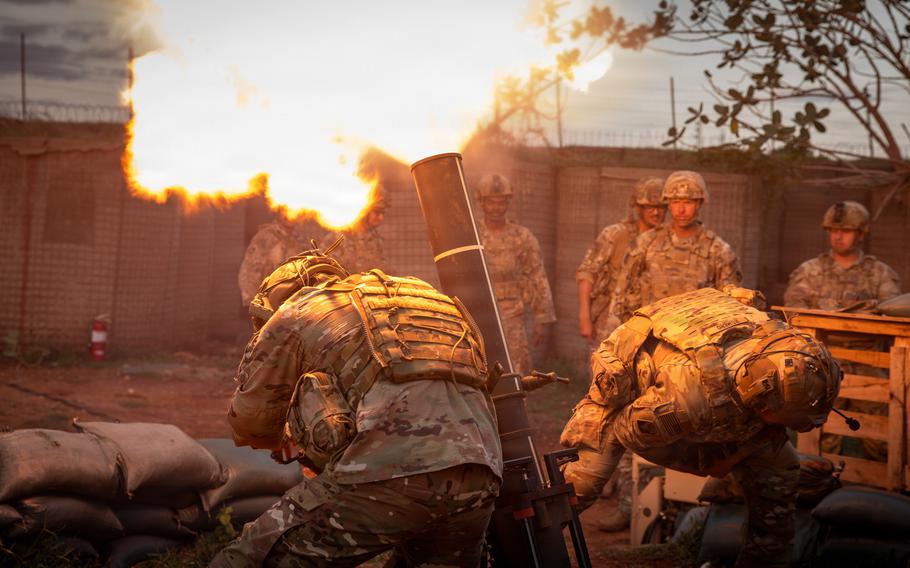
The United States has continued to conduct airstrikes against Al-Shabaab in coordination with the Somali government and Somali security forces. AFRICOM reported U.S. strikes against Al-Shabaab in Somalia on September 4 and 5, aimed at disrupting the group’s ability to threaten U.S. personnel and citizens.
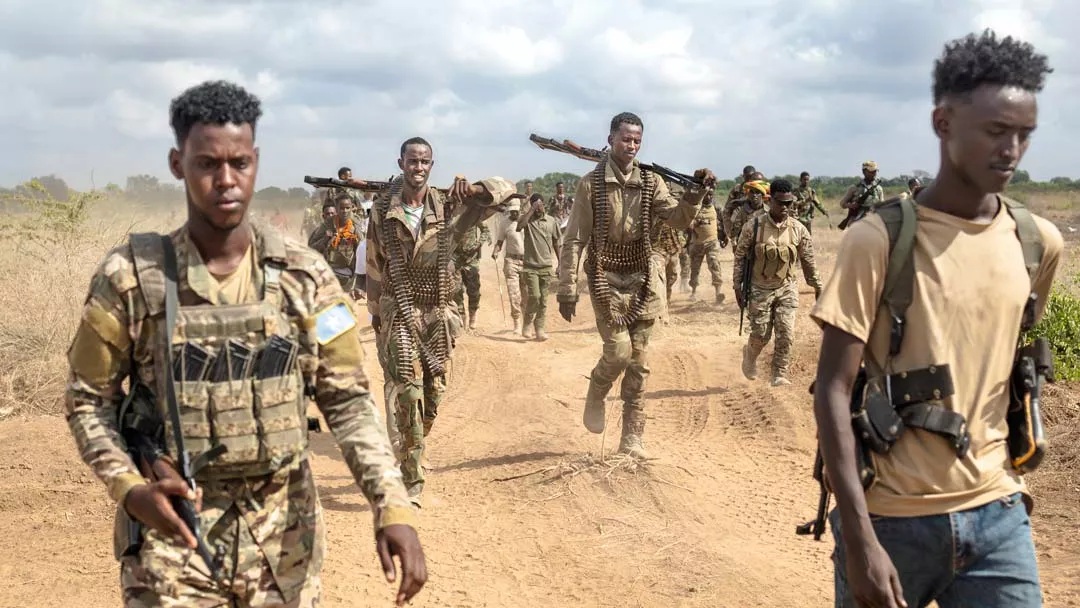
At the same time, Washington says military strikes are only one component of its strategy. The United States is providing Somali forces with intelligence, training, equipment and operational support, with the longer-term objective of enabling Somali forces to maintain pressure on Al-Shabaab and hold territory recovered from the group.
Brennan said U.S. forces are seeking to use their specialized intelligence and operational capabilities while allowing African partners to take greater responsibility for fighting militant organizations on the ground. In Somalia, this includes greater support for Somali-led operations against Al-Shabaab and ISIS.
The broader U.S. concern is that terrorist organizations could become more dangerous if they obtain sustained access to financing, recruits, technology and international networks. Washington therefore considers tracking these flows an important part of preventing local insurgencies from developing into wider regional or international threats.
The warning comes as AFRICOM continues to describe the African terrorist threat as increasingly complex and interconnected. U.S. officials say the objective is not simply to defeat individual groups on the battlefield, but to identify and disrupt emerging networks before they acquire the capability to conduct attacks farther from their traditional operating areas.
The latest U.S. assessment represents a significant shift in how Washington is viewing Al-Shabaab. The group is no longer seen only as an insurgent organization fighting the Somali government; its ability to recruit, raise money, operate across borders and maintain links with wider extremist networks makes it a broader regional security concern.
For Somalia, the warning also highlights the importance of building capable national security forces that can maintain sustained pressure on Al-Shabaab without permanent dependence on foreign military intervention. The U.S. strategy increasingly combines targeted American capabilities with Somali-led operations, while attempting to prevent Al-Shabaab from exploiting political and security gaps to rebuild its influence.
Categories: Latest News